


More news on this day
Carnival Cruise Line itineraries in the Gulf of Mexico are drawing fresh scrutiny as Tropical Storm Bertha churns toward the central Gulf Coast, raising questions over whether tomorrow’s scheduled sailings will depart as planned.
Get the latest news straight to your inbox!
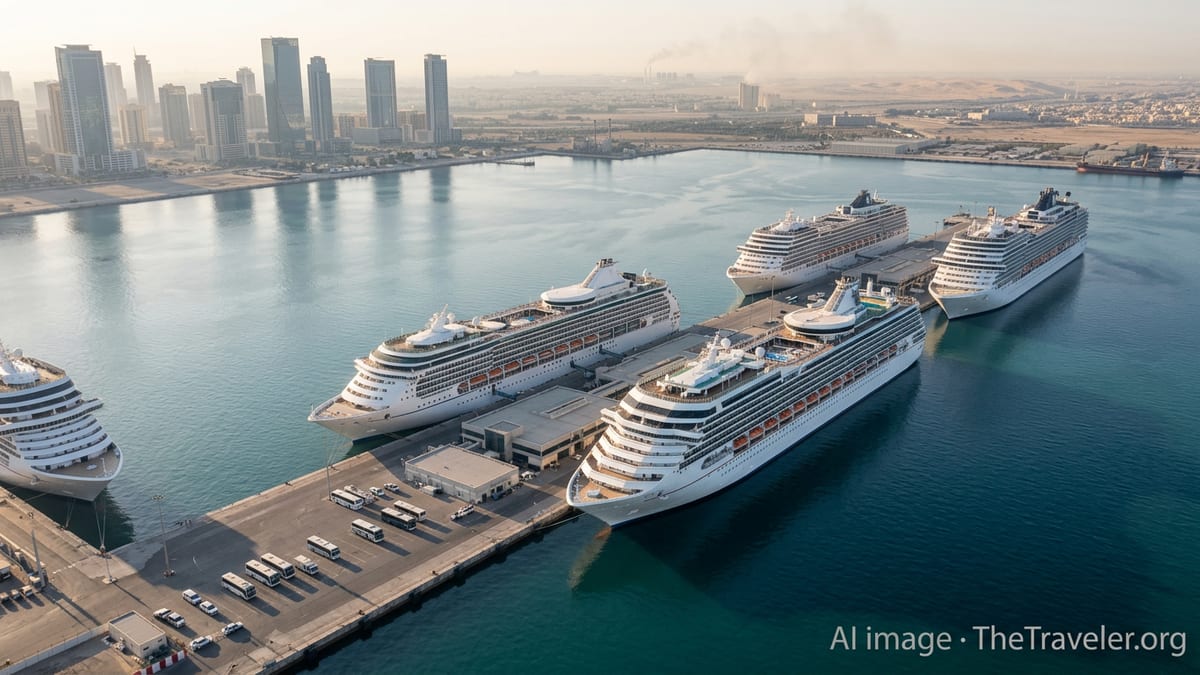
Storm Bertha Tracks Toward Northern Gulf Ports
Public advisories from the National Hurricane Center show Tropical Storm Bertha moving westward across the northern Gulf of Mexico with sustained winds near tropical storm strength and bands of heavy rain arcing toward the coast. Forecasts indicate a landfall window from late Wednesday into Thursday along portions of the Louisiana shoreline, with impacts also possible from the Florida Panhandle to upper Texas.
Marine and coastal forecasts describe choppy seas, squally showers and periods of gusty winds over the north-central Gulf, conditions that can complicate cruise ship operations even when a system remains below hurricane intensity. While Bertha has struggled to organize under wind shear, forecasters still expect pockets of coastal flooding, dangerous surf and localized flash flooding as the storm edges closer to land.
Satellite imagery released by government agencies depicts a lopsided storm, with the strongest thunderstorms displaced from the center, but the wide footprint of rain and rough seas extends well beyond the core circulation. That broad area of disturbed weather overlaps heavily traveled cruise corridors between Florida, Alabama, Mississippi, Louisiana and western Caribbean destinations.
Carnival’s Options: Reroute, Shorten or Delay
Publicly available itinerary information suggests several Carnival ships are scheduled to depart Gulf Coast homeports on Thursday, including sailings marketed to the western Caribbean and Mexico. As Bertha’s projected path crosses or skirts some of those routes, industry watchers are weighing how the company might adjust plans to keep ships away from the storm’s worst conditions.
Historically, Carnival has relied on a mix of route changes, port substitutions and departure delays when tropical systems threaten. Cruise contracts and legal notices for the brand state that itineraries can be modified at any time for reasons including weather, port conditions and safety considerations. That framework gives planners flexibility to send ships on alternative courses that remain within calmer sectors of the Gulf or, if necessary, to shift call ports entirely.
In similar Gulf storm situations, cruise lines have at times opted to leave earlier or later than scheduled, extend or shorten voyages, or arrange one-way legs that return to a different port than originally planned. Each scenario carries operational and logistical trade-offs, from staffing and provisioning to air travel and ground transportation for guests.
Guest Rights and Weather-Related Fine Print
Carnival’s published terms and passenger bill of rights outline how the company manages major disruptions, including mechanical issues and severe weather. The documentation emphasizes that safety has priority over published itineraries and notes that routes, ports of call and voyage duration may change when conditions warrant. It also describes circumstances in which guests may be offered onboard credits, partial refunds or future cruise credits if a voyage is significantly altered or canceled.
The fine print underscores that schedule changes prompted by tropical weather do not automatically trigger full refunds. Instead, adjustments are typically evaluated case by case, depending on how substantially a sailing is shortened or how many ports are missed. Travel insurance policies, whether purchased through the cruise line or independent providers, can also influence what individual travelers may recover if they decide not to travel once a storm has formed.
Consumer advocates often advise Gulf Coast cruisers to review both cruise contracts and insurance coverage early in hurricane season, given that named storms like Bertha can form with limited lead time. Once a system is officially designated, many policies tighten options for new coverage or trip-cancellation claims related to that storm.
Ports, Pilots and Practical Constraints
Even if a cruise line wishes to proceed with a departure, local port conditions can prove decisive. Harbor authorities, harbor pilots and marine safety officials may restrict vessel movements when sustained winds and seas exceed locally defined thresholds, or when channel visibility deteriorates. Publicly posted marine advisories for sections of the northern Gulf already reference small-craft advisories and elevated seas associated with Bertha’s outer bands.
Channel congestion and river conditions can also factor into cruise scheduling, particularly for ports that share access with commercial shipping or rely on dredged waterways. Heavy rain from a slow-moving tropical storm can raise river levels, transport debris into approach channels and complicate navigation in the hours after landfall, even if the storm’s center tracks some distance away.
Turnaround logistics offer another constraint. Large cruise ships typically complete disembarkation, reprovisioning, bunkering and embarkation within a tightly choreographed window. When severe weather slows arriving ships, interrupts cargo deliveries or disrupts airport operations for incoming guests, port calls can cascade into delays that ripple across multiple voyages.
What Travelers Should Watch Next
For now, Bertha’s evolution over the next 24 hours remains the pivotal factor for Carnival’s planned departures. If the storm weakens quickly as it approaches land and accelerates inland, some routes may see primarily residual swells and passing showers. A slower, more coastal track would likely produce a longer stretch of rough seas over the main cruise corridors, increasing the likelihood of rerouted or delayed sailings.
Travel and marine forecasters stress that short-term changes in storm speed, structure or path are still possible in the warm and relatively shallow waters of the northern Gulf. That uncertainty keeps a wide range of operational scenarios on the table for tomorrow’s cruises, from near-normal departures with minor course tweaks to wholesale itinerary revisions.
Cruise passengers booked on Gulf sailings are watching for updates from the line as well as public weather briefings as Bertha edges closer to the coast. With peak Atlantic hurricane season still ahead, the storm offers an early-season reminder that Gulf cruise plans can hinge on atmospheric shifts measured in a few degrees of latitude and a handful of hours.