


More news on this day
Passengers flying in and out of the UAE this week are being advised to expect scattered delays and select cancellations on Etihad, Emirates, flydubai and Air Arabia services as regional tensions, airspace advisories and weather-related disruptions continue to affect schedules at Dubai, Abu Dhabi and Sharjah airports.
Get the latest news straight to your inbox!
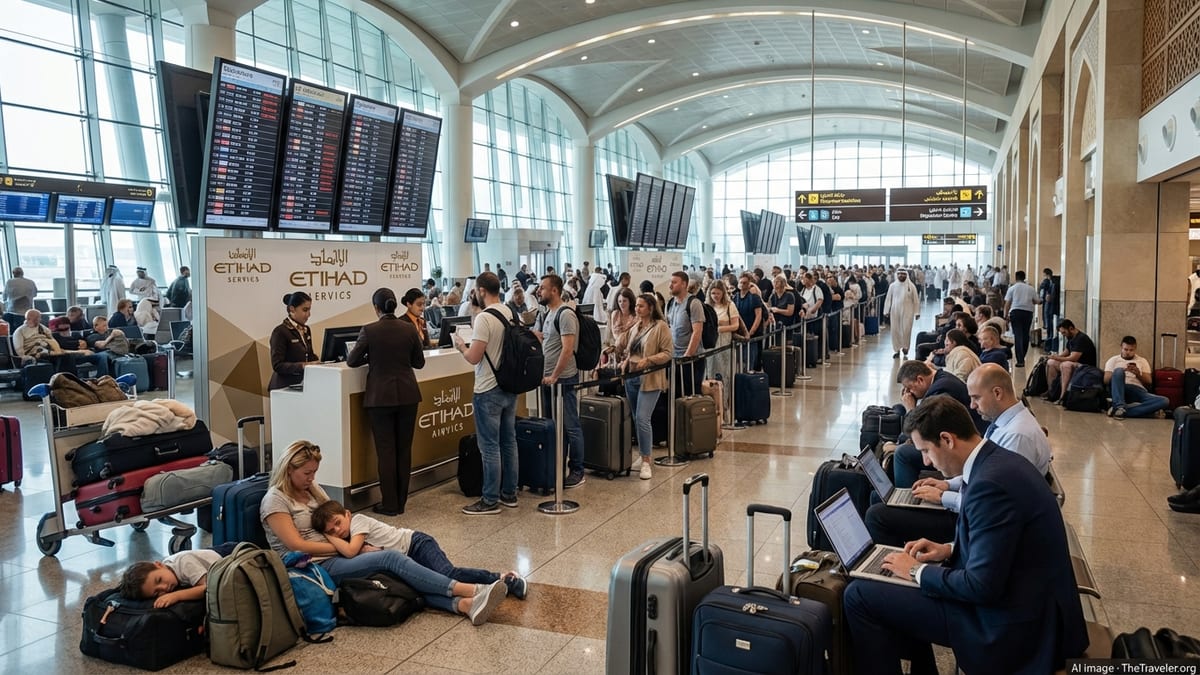
Regional tensions and weather drive fresh wave of disruptions
Published coverage from UAE media and aviation trackers indicates that flight operations at Dubai International, Abu Dhabi’s Zayed International Airport and Sharjah remain largely intact, but with a rolling pattern of late arrivals, retimed departures and isolated cancellations across key regional and long haul routes. The latest advisories emphasize that schedules may change at short notice as airlines react to operational and security developments.
Reports from Gulf-based outlets describe heightened geopolitical tensions linked to US–Iran hostilities as a primary underlying factor, with several foreign carriers continuing to suspend or thin services to and from the UAE. The European Union Aviation Safety Agency has extended a conflict-zone information bulletin for Gulf airspace into late September, and industry analyses note that airlines are building extra buffers into flight times and routings, which can cascade into delays.
Weather and environmental issues are adding further pressure. Volcanic ash affecting Indonesian airspace has temporarily closed Jakarta’s Soekarno Hatta International Airport on multiple occasions in recent days, prompting cancellations and delays on some routes between the Gulf and Southeast Asia. Operational updates on airline websites show that selected services on these corridors have been withdrawn or rescheduled while conditions are monitored.
Airport information boards in Dubai and Abu Dhabi, as well as third party flight-status services, reflect a mixed picture: stretches of on-time operations alongside clusters of late flights, longer-than-scheduled ground times and scattered cancellations, especially on high-frequency regional sectors where airlines have more flexibility to consolidate capacity.
Etihad Airways sees knock-on delays from Abu Dhabi hub
Abu Dhabi-based Etihad Airways appears among the most visibly affected carriers in the latest advisory cycle, with The National reporting on September 3 that more than a dozen Etihad routes across Europe, Asia and the Middle East showed delays from Zayed International Airport. Routes cited include services to Moscow, several Indian cities, Colombo, Nairobi, London Heathrow, Lisbon, Phuket, Bangkok and Manchester, where rotations were running behind schedule as the airline repositioned aircraft and crews.
Flight-tracking data for individual Etihad services in early September show frequent minor revisions to estimated departure and arrival times on long haul operations. Event timelines on these routes indicate repeated adjustments of a few minutes to gate and runway times on the day of departure, along with occasional lengthening of scheduled flight durations, consistent with reroutings or air traffic flow constraints in certain airspace segments.
Publicly available information suggests that, despite these disruptions, Etihad is continuing to sell and operate a broadly full September schedule from Abu Dhabi, including long haul services to North America, Europe and Asia. Travel industry coverage notes that most impacted Etihad passengers are being re-accommodated on same-day or near-term alternatives, although rebooking options can be more limited on peak departures and for itineraries involving onward connections.
Consumer-facing reports also highlight that some passengers have received late notifications of delays or schedule changes, underscoring the importance of checking flight status through official channels shortly before leaving for the airport. Travel commentators recommend monitoring both the airline’s app and airport arrivals and departures feeds, since minor retimings may not always be reflected immediately in third party tools.
Emirates operations remain broad but with targeted changes
Dubai-based Emirates continues to operate an extensive global network, but its schedule has not been immune to regional and operational pressures. The airline’s travel updates page, refreshed in early September, details specific disruptions such as the temporary suspension of flights between Dubai and Jakarta during periods when volcanic ash has closed Soekarno Hatta International Airport. Listed services on the CGK route for September 6 and 7 have been cancelled in response to the evolving situation.
Separate industry schedule data shows that Emirates has also made targeted capacity and frequency adjustments on several US routes for September and October. An analysis by specialist timetable outlet AeroRoutes highlights reductions on services between Dubai and Boston, Miami, Orlando and Seattle, as well as aircraft changes on Houston and Washington Dulles operations. These are framed as planned schedule refinements, but for travelers they can translate into rebookings, changed aircraft types and altered departure days.
At Dubai International Airport, arrivals data compiled by regional media points to a list of Emirates flights from major European gateways, including London, Manchester, Dublin, Amsterdam and several Italian and French cities, operating later than their scheduled times in recent days. While the majority of flights are still arriving and departing, clusters of late inbound services can ripple through the network and contribute to outbound delays as aircraft are turned around.
Emirates’ customer information channels continue to stress that travelers should review flight status on the airline’s website or app before heading to the airport, and ensure that contact details are up to date in their bookings so that automated notifications of significant changes can be delivered promptly.
flydubai and Air Arabia adjust regional services
Low cost carrier flydubai, which operates an extensive network across the Middle East, Central Asia and Africa from Dubai, is also reporting a mix of delays and isolated cancellations on specific regional routes. Coverage from UAE outlets lists late arrivals into Dubai from cities such as Almaty, Bishkek, Moscow, Jeddah, Astana, Minsk, Addis Ababa, Damascus, Abha and Baghdad. At least one inbound service from Entebbe has been documented as cancelled, while others have been retimed.
Because flydubai offers multiple daily frequencies to many of these destinations, operational experts note that the airline can sometimes consolidate lightly booked services or shift passengers to alternative departures on the same day. For travelers, this can mean receiving a short-notice message that a flight number has changed or departure has been moved by several hours, even when a broadly similar travel window is still available.
Sharjah-based Air Arabia and its Abu Dhabi affiliate are also navigating intermittent disruptions. Recent advisories mention cancellations on some Kuwait and Bahrain flights, alongside delays on a selection of services across their regional network. At Abu Dhabi’s airport, Air Arabia Abu Dhabi flight 3L016 and other departures to nearby Gulf and North African points have been flagged as delayed or cancelled on certain days, reflecting the sensitivity of short haul operations to any upstream disruption.
Industry commentary suggests that low cost carriers can be particularly exposed to tight turnaround times and high aircraft utilization, leaving less slack in the system when weather, security or air traffic events occur. As a result, even minor schedule changes on early rotations may cascade into knock-on delays later in the day if recovery windows are limited.
What UAE-bound travelers should do now
Travel and aviation analysts stress that current disruptions represent an evolving situation rather than a complete shutdown of UAE air connectivity. Emirates, Etihad, flydubai and Air Arabia are all continuing to operate the vast majority of scheduled flights, but passengers are being urged to build in additional time, stay flexible and monitor their journeys closely.
Published guidance from airlines and airports consistently recommends checking flight status on official websites or mobile apps before leaving for the airport, and again upon arrival at the terminal. Where possible, travelers are encouraged to enable notifications in their booking profiles so that re-timings, equipment changes or cancellations are communicated directly by email or SMS.
For those with onward connections or tight itineraries, travel specialists advise considering longer layovers, avoiding the last flight of the day where alternatives are limited, and ensuring that accommodation and ground transport reservations can be modified if necessary. Flexible or refundable fares, though more expensive upfront, may offer added value during periods when schedules are in flux.
Passengers planning new trips via the UAE over the coming weeks are also being advised to follow security and airspace advisories from aviation regulators, as well as travel alerts issued by their home countries. These notices help explain why flight times, routings and frequencies may continue to change at relatively short notice, even when local airport conditions in Dubai, Abu Dhabi and Sharjah appear calm.
Khaleej Times: UAE travel advisory on Etihad, Emirates, flydubai, Air Arabia
The National: UAE travel advisory on Dubai and Abu Dhabi airport delays