


More news on this day
Flight disruption affecting hundreds of thousands of passengers across the UK is beginning to ease, as airlines rebuild schedules after a major air traffic control systems failure that has prompted calls for the resignation of National Air Traffic Services chief executive Martin Rolfe.
Get the latest news straight to your inbox!
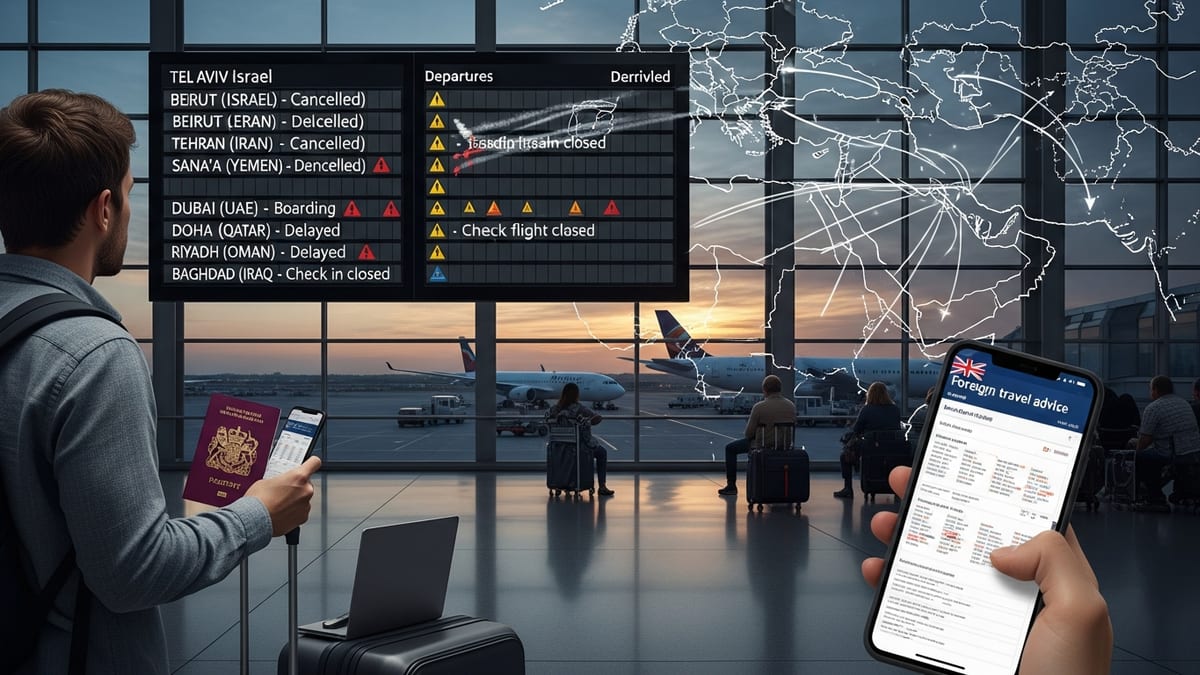
Schedules stabilise after days of widespread cancellations
UK airports are gradually returning to more regular operations after a technical fault at National Air Traffic Services (Nats) triggered widespread flight cancellations and delays earlier in the week. Published coverage indicates that more than 2,000 flights to and from UK airports were cancelled between Tuesday and Wednesday, causing severe disruption for holidaymakers and business travellers alike.
Data from aviation analytics firm Cirium, cited in multiple news reports, suggests that the pace of cancellations has slowed, with airlines increasingly operating planned services and no widespread cancellations initially forecast for Thursday. However, the process of rebooking affected passengers and repositioning aircraft continues, meaning residual disruption, including delays and isolated cancellations, remains likely at major hubs such as Heathrow, Gatwick, Manchester and Stansted.
The original technical problem, described publicly as an issue within Nats’ flight processing systems rather than a cyber attack, has been resolved. The operational challenge now centres on clearing backlogs, restoring aircraft rotations and accommodating travellers who were left without seats after flights were grounded or diverted.
Technical failure under scrutiny amid cost and capacity concerns
Attention is increasingly shifting from the immediate operational fallout to the underlying cause of the failure and its wider cost to the aviation sector. Analysis reported by UK media suggests the disruption could cost airlines and airports tens of millions of pounds in lost revenue, passenger care obligations and operational inefficiencies, with some estimates placing the bill for the industry at up to £70 million.
Early descriptions from Nats and government briefings indicate that an unusual flight plan message triggered a failure in automated processing systems, forcing controllers to handle traffic manually. That constraint significantly reduced airspace capacity and led to an abrupt wave of cancellations as airlines were instructed to reduce movements while the fault was investigated and resolved.
Specialist commentators have highlighted that although safeguards prevented a more serious safety incident, the scale and duration of disruption raise questions about system resilience, redundancy and testing regimes. The episode has revived earlier criticism from airlines about the robustness of UK air traffic control infrastructure following previous periods of disruption linked to staffing pressures and isolated technical issues.
Airlines demand accountability as calls for resignation grow
With schedules now slowly normalising, the political and commercial fallout is sharpening around Nats leadership. Reports from several outlets note that Ryanair group chief executive Michael O’Leary has publicly demanded that Martin Rolfe step down, describing his position as untenable after what the airline views as a foreseeable and avoidable systems failure. Senior figures from other carriers, including Wizz Air, have also urged a change at the top or a fundamental overhaul of the organisation.
These demands follow a series of earlier clashes between low cost airlines and Nats over both staffing levels and technology resilience, including previous calls for leadership changes after disruption at Gatwick linked to air traffic control issues. The current incident has effectively reopened that debate, with carriers arguing that repeated breakdowns in core infrastructure undermine confidence and impose disproportionate costs on passengers and airlines.
For travellers, the immediate impact has been extended waits in terminals, missed connections, and unexpected overnight stays near airports across the UK and in European hubs. Consumer advocates are drawing renewed attention to compensation rules for cancellations and long delays, as well as to the clarity of communication from both airlines and Nats while the technical problem was unfolding.
Government backs Nats chief but orders rapid investigation
Despite pressure from airlines, publicly available information from Downing Street indicates that the UK government continues to express confidence in Martin Rolfe while insisting on a full explanation of the failure. The transport secretary, Heidi Alexander, has summoned the Nats chief executive to meetings in London and has reportedly given him one week to deliver the findings of an internal investigation and outline measures to avoid a repeat incident.
Statements released by the Department for Transport and reported in national media show that ministers have also requested an independent review by the Civil Aviation Authority into the circumstances of the fault and the resilience of the wider air traffic control network. The review is expected to examine technical safeguards, system redundancy, incident response and communication procedures between Nats, airlines and airports.
While some airlines continue to urge immediate leadership change, government figures appear focused on securing concrete assurances regarding system reliability before contemplating any structural reforms. Commentators note that forcing a rapid change at the top of Nats during a period of heightened operational stress could introduce additional uncertainty, although prolonged political pressure may prove difficult for the organisation’s leadership to withstand if further issues emerge.
What affected travellers should expect in the coming days
For passengers scheduled to fly into and out of the UK over the next several days, the outlook is broadly improving but not entirely back to normal. Flight tracking and scheduling data referenced in current reporting suggest that airlines are planning near standard timetables, but with aircraft and crews still out of position, short notice changes remain possible, particularly on complex long haul and multi sector itineraries.
Travel experts note that the greatest challenges are likely to persist at the largest hubs, where volume is highest and where aircraft rotations have been most heavily disrupted. Short haul routes with multiple daily frequencies are generally among the first to be restored, while more thinly served destinations can experience longer gaps before capacity fully returns. Travellers are widely advised, via airline and airport channels, to monitor booking apps and departure boards closely, arrive early and allow extra time for connections where possible.
As formal investigations get under way, the episode is expected to feed into a broader policy debate about investing in air traffic management technology, balancing cost control with resilience and clarifying obligations to passengers when system failures originate beyond any one airline’s control. For now, the priority for carriers, airports and Nats remains stabilising operations and rebuilding customer confidence after one of the most disruptive UK air traffic control incidents in recent years.
Flight disruption expected to ease as air traffic boss faces calls to resign | Evening Standard
Flight disruption expected to ease as air traffic boss faces calls to resign | The Independent
Flight chaos that left thousands stranded could cost industry £70m | The Independent
UK Nats boss has confidence of government, Downing Street says | RTÉ