


More news on this day
British travellers heading to France over the autumn half-term are being urged to review official guidance, as the UK government updates its travel advice in response to widespread protests, tighter security and the prospect of local curfews across French cities.
Get the latest news straight to your inbox!
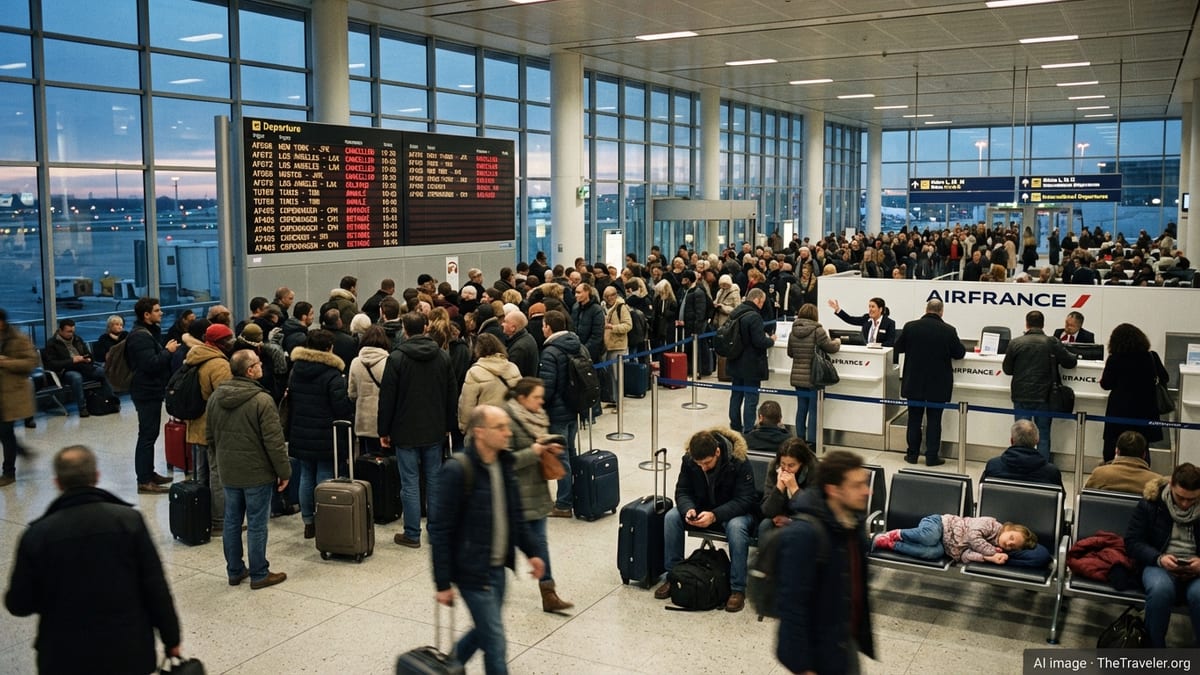
Updated UK travel advice highlights unrest and security risks
The latest update to the UK government’s official travel advice for France, dated 22 October 2026, highlights an increased likelihood of demonstrations, political gatherings and marches across the country, often at short notice. Publicly available information notes that while most events remain peaceful, recent unrest has included violent incidents, looting and damage to shops in several cities.
The guidance explains that demonstrations may lead to disruption of local transport services and that public safety measures such as partial or localised curfews can be introduced with limited warning. Travellers are advised to monitor French media, stay clear of large crowds and avoid areas where there is a heavy security presence, particularly in major urban centres and tourist hotspots.
Separate safety and security information for France underlines that there is a continuing risk linked to terrorism and public disorder, and advises British nationals to stay alert in crowded places, transport hubs and around high-profile public buildings. Airports, ports and Eurostar terminals are described as having strong security measures, but passengers are encouraged to allow extra time for screening and checks.
Published coverage from European outlets indicates that several neighbouring countries have also revised their guidance, warning their own citizens to exercise caution in France and to steer clear of demonstrations following recent riots and mass arrests. These moves have added to a growing sense that travellers should prepare carefully before visiting French cities over the coming weeks.
Local curfews and disruption in French cities
The UK government’s warning draws particular attention to the possibility of local curfews being imposed in response to unrest. Official French notices, referenced in the updated UK guidance, explain that municipal authorities can introduce overnight restrictions on movement in specific districts if they consider that the security situation requires it.
Recent reporting notes that several French cities, including parts of Paris, have experimented with partial curfews after nights of rioting and clashes between demonstrators and security forces. Where these measures are in effect, shops and bars may be ordered to close earlier than normal, and non-residents can be asked to keep off the streets during designated hours.
Travellers staying in affected neighbourhoods may find that tram and bus routes are suspended in the evening, and that certain metro stations shut ahead of their usual timetable. Long-distance rail and air services have generally continued to operate, but there have been delays linked to staff protests, access road closures and security checks around major hubs.
Guidance from both British and French public sources stresses that curfew rules and restricted zones can change quickly, sometimes on the day itself. Visitors are therefore encouraged to follow local announcements, pay attention to hotel notices and be prepared to adjust dinner reservations, nightlife plans or onward travel if a new order is introduced.
Impact on half-term holidays, city breaks and onward travel
The timing of the revised UK advice coincides with a peak period for British visitors, as schools in England, Scotland, Wales and Northern Ireland head into autumn half-term breaks. Travel industry coverage notes strong demand for Paris city breaks, Disneyland Paris, Normandy and Brittany, as well as cross-Channel road trips using ferries and the Channel Tunnel.
Publicly available advice points out that there is currently no blanket recommendation against travel to France, meaning that package holidays and transport services continue to run. However, British travellers are warned that companies are not generally obliged to offer refunds if a customer chooses to cancel purely because of concerns about protests or unrest, provided services are operating as scheduled.
Holidaymakers planning rail or air connections within France are advised to check timetables regularly on the day of travel, as demonstrations can lead to rolling cancellations or short-notice route changes. In Paris, published guidance notes that police can temporarily close metro and RER stations along protest routes, particularly around central squares and government districts.
Travellers driving from the UK are also reminded to be aware of potential road closures and diversions near protest sites, especially on key approach routes into major cities. Local traffic information and radio bulletins can provide advance warning of blocked junctions or park-and-ride closures linked to security operations.
Insurance, documentation and practical precautions for Brits
The UK government continues to emphasise that travellers should arrange comprehensive travel insurance before departure, ensuring that policies cover medical treatment, trip interruption and additional accommodation costs if journeys are disrupted. Public information also explains that most insurers only consider claims linked to civil unrest when there is a formal government warning against all but essential travel, which is not currently in place for France.
British visitors are reminded to carry valid passports that meet the Schengen area rules and to have copies of bookings and identification readily available, as local checks are more frequent when security alerts are heightened. Guidance suggests allowing extra time at railway stations, ports and airports in case of queues at ticket controls or security screening points.
Health and safety sections within the official advice underline seasonal risks such as wildfires, which remain a concern in some parts of France through October, as well as coastal hazards and changing weather conditions. Travellers heading to rural regions or mountainous areas are encouraged to consult local prefecture notices and national weather bulletins before setting off.
British nationals spending longer periods in France, including students and temporary workers, are advised in publicly available guides to keep emergency contact details handy, stay registered with their institutions or employers and maintain regular communication with family or friends in the UK, particularly during periods of unrest or transport disruption.
How British travellers can stay informed while in France
UK guidance encourages travellers to sign up for email alerts so they receive notifications when the official France travel advice page is updated. This can provide early warning of changes in the security situation, alterations to entry requirements or new information on demonstrations and curfews.
Once in France, visitors are advised to make regular use of local news outlets, radio stations and official municipal channels for details of planned marches, rally routes and restricted zones. Tourist information offices and hotel front desks often receive advance briefings on major events that may affect transport or opening hours for attractions.
Reports from recent visitors shared in public forums describe a mixed picture, with many travellers enjoying largely unaffected holidays while others encounter sudden metro closures, cancelled museum slots or difficulty reaching their accommodation during protest days. These accounts underline that conditions can vary widely from one district to another, even within the same city.
Officials in both countries continue to promote cross-border travel and tourism, but the tone of recent advisories reflects a clear message: British visitors to France should remain flexible, stay informed and be ready to modify their plans if security measures tighten or demonstrations escalate during their stay.