


More news on this day
British travellers heading to France are being urged to prepare for stricter border checks, possible disruption from demonstrations and an ongoing terrorism threat, following updated government travel advice released this month.
Get the latest news straight to your inbox!
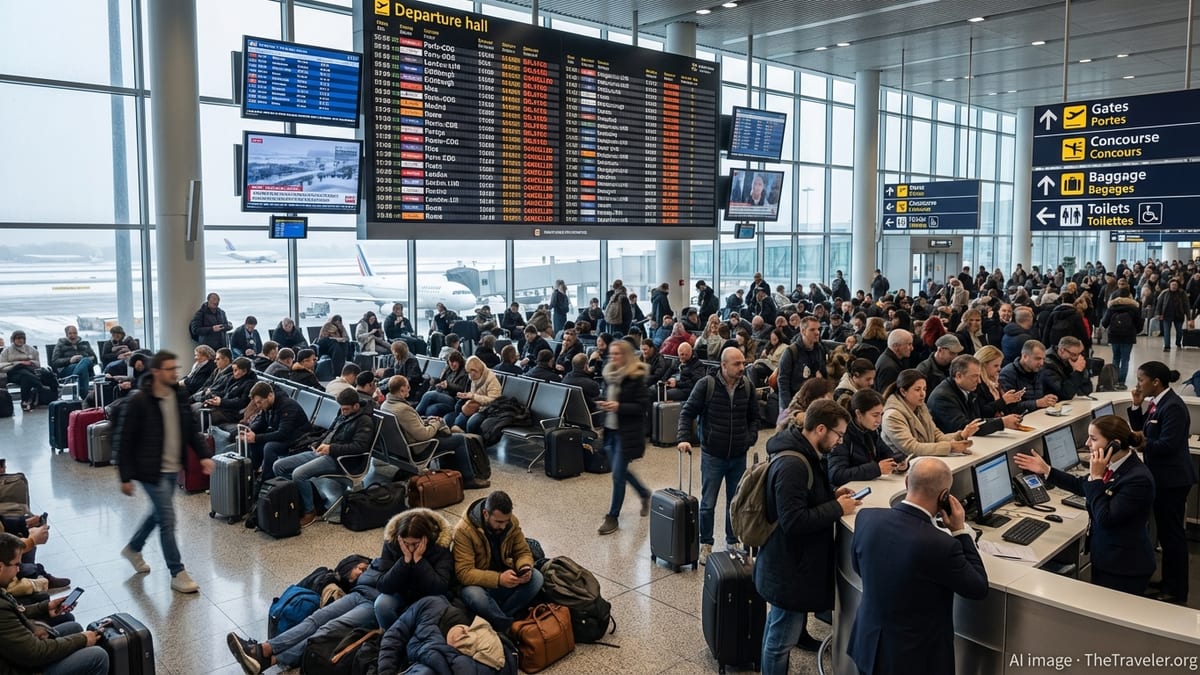
Heightened terrorism threat and security message
Recent updates to the United Kingdom’s official travel guidance underline that the risk of terrorism in France remains elevated, with publicly available information from the Foreign, Commonwealth and Development Office (FCDO) describing a high threat of terrorist attack and stating that terrorists are very likely to try to carry out attacks in the country. The advice notes that locations frequented by foreign visitors, including major cities such as Paris, remain under a sustained security focus.
The reminder for British nationals comes alongside broader UK security messaging that international terrorism continues to pose a serious threat to travellers abroad. Guidance published by the UK government encourages travellers to remain aware of their surroundings, be prepared for visible security measures and follow local instructions if incidents occur. The emphasis for visitors to France is on maintaining vigilance without cancelling trips solely on the basis of the threat level.
Travel safety advice highlights that attacks in France in recent years have involved a range of tactics and that incidents can take place with little or no warning. Visitors are encouraged to familiarise themselves with basic security advice before departure, including knowing the location of emergency exits in crowded venues and monitoring local news for developments in the areas they plan to visit.
The guidance also points out that French security forces maintain an ongoing presence around major transport hubs, tourist attractions and large public events, which may result in bag checks, temporary closures and occasional delays. These measures are presented as part of France’s internal security posture rather than a signal that specific visitors are being targeted.
Protests, strikes and disruption to travel plans
Updated travel information for France also draws attention to a heightened likelihood of demonstrations, political gatherings and marches, which can occur with little advance notice. Official travel advice notes that such events may take place in major cities and on key transport routes, sometimes causing road closures, public-transport disruption and localised congestion.
Reports from recent weeks indicate that protest activity has periodically affected central areas of Paris and other urban centres, with knock-on effects for both residents and visitors. While most demonstrations remain peaceful, British travellers are being urged to avoid large gatherings, keep distance from any confrontations and adapt itineraries if routes become blocked or services are suspended at short notice.
Industrial action remains a recurring feature of public life in France, occasionally involving transport workers, air traffic controllers or staff at railway and ferry operators. Publicly available information highlights that such strikes can lead to reduced timetables, cancellations or extended journey times, particularly on cross-Channel links that are popular with UK travellers.
In light of these risks, the government’s guidance encourages travellers to check with airlines, train operators, ferry companies and tour providers before departure and during their stay. Monitoring local media and operator announcements is presented as essential for anyone relying on time-sensitive connections, especially when travelling to or from major hubs such as Paris, Lille, Marseille and the Channel ports.
Stricter border checks and EU Entry/Exit System delays
One of the clearest warnings for British visitors concerns longer processing times at border crossings as France and other European Union countries roll out the new Entry/Exit System for non-EU nationals. Official UK information explains that the scheme records biometric and travel data for non-EU visitors entering and leaving the Schengen area, a change that is expected to increase the time each passenger spends at immigration checkpoints during the initial implementation period.
Government guidance notes that EES is being phased in across participating European countries over several months, during which airports, seaports and land crossings may apply the new checks at different times and at varying speeds. For travellers moving between the UK and France, this may be particularly visible at busy Channel ports, the Eurotunnel terminal and major airports handling UK flights, where peak holiday periods have already prompted warnings about queues.
British nationals are being advised to arrive earlier than usual for departures from the UK to France and for return journeys, allowing extra time to clear border controls before reaching departure gates or boarding points. The updated information highlights that some ports and airports may experience significant waiting times at busy periods as staff familiarise themselves with the new procedures and as systems bed in.
Current entry guidance for British citizens travelling to France confirms that a valid passport is required and must meet Schengen rules on document validity. Travellers are reminded to check that their passport will be valid for the entirety of their stay and that they have not exceeded the standard limit on short stays within the Schengen area, which is calculated across recent travel rather than per individual trip.
Practical advice for British travellers planning France trips
Alongside its warnings, the UK government continues to state in published materials that it does not advise against travel to France as a whole, and that most visits remain trouble free. The updated guidance instead focuses on preparation, encouraging travellers to build in additional time at borders, keep flexible itineraries and stay informed about local conditions once in the country.
British holidaymakers are urged to review the latest official France travel advice shortly before departure and again during their stay, as updates can be issued at short notice in response to security developments, strikes or major incidents. Travellers are also encouraged to register contact details with their travel provider and to keep digital or printed copies of booking confirmations and identification documents separate from the originals.
Given the threat environment and the risk of disruption, publicly available advice strongly recommends comprehensive travel insurance that covers medical treatment, trip interruption and delays. Travellers are advised to check policy wording carefully for any exclusions related to strikes, civil unrest or terrorism incidents that could affect their plans.
Officials further highlight the importance of following local rules on identification, road safety and public behaviour. In practice, this means carrying acceptable photo identification, complying with directions from transport operators and security personnel, and observing any temporary restrictions around demonstrations or sensitive sites. For families and group travellers, the guidance stresses the value of agreeing meeting points and keeping communication channels open in case members become separated during busy events or unexpected delays.