

More news on this day
Rail passengers across parts of Britain are being urged to avoid non essential journeys tomorrow as a developing heatwave forces train operators to cut timetables, slow services and warn of significant disruption.
Get the latest news straight to your inbox!
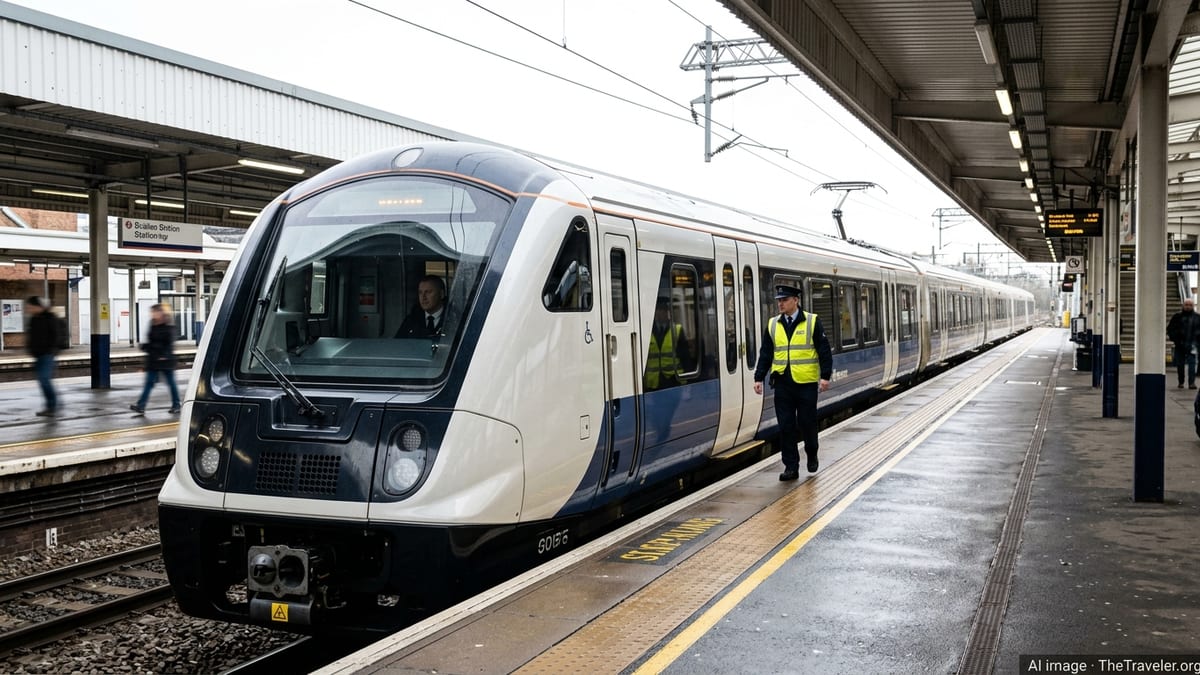
Heatwave triggers strongest rail warnings of the summer
Publicly available information from rail industry updates and regional news outlets indicates that train operators across England and Wales are preparing for another day of disrupted services as temperatures climb toward record early summer levels. Forecasts for Wednesday point to afternoon highs well into the 30s Celsius in some inland areas, prompting what transport planners describe as one of the most challenging operating environments of the year so far.
Several operators are advising customers to travel only if their journey is essential, echoing guidance that was previously reserved for severe storms or major network incidents. National level travel advice collected from industry briefings highlights expectations of reduced timetables, slower running speeds and short notice cancellations, particularly during the hottest part of the day.
Rail-focused business outlets report that the current heatwave follows weeks of intermittent hot spells that have already put infrastructure under strain. That background has increased concern about how prolonged high temperatures over consecutive days could affect both tracks and older rolling stock, especially on busy intercity and commuter routes.
Why rail infrastructure struggles as temperatures soar
Technical explanations shared in specialist rail publications describe how steel rails and overhead power lines are highly sensitive to extreme heat. As air temperatures rise, rails can expand and, if not sufficiently restrained, bend sideways in what engineers refer to as a “sun kink.” This risk increases on sections with older track or where ground conditions have been weakened by earlier weather events.
Overhead electric lines are also vulnerable as they lengthen in the heat and may sag below their intended height. Industry reports note that contact between a passing pantograph and an overheated line can cause damage that shuts a route for hours while emergency repairs are carried out. To reduce the chance of such failures, operators and infrastructure managers often impose blanket speed restrictions once certain temperature thresholds are reached.
Passenger comfort and safety are additional concerns when temperatures spike. Rail industry commentary points out that some regional and long distance fleets still rely on older air conditioning systems or basic ventilation, making on board conditions uncomfortable if a train is held at signals or stranded between stations. Operators are therefore highlighting the importance of passengers carrying water, avoiding travel in the hottest hours where possible and checking on vulnerable companions.
Operators slim down timetables and slow trains
Regional business chambers and local media in the Midlands and the south of England report that several companies are operating amended timetables this week in direct response to the heat. Some routes are seeing fewer trains than usual, while others are switching to shorter formations to concentrate air conditioned carriages where they are most needed.
In affected areas, published service updates show widespread use of precautionary speed limits, particularly on exposed stretches of line, busy junctions and high speed corridors. These restrictions are designed to limit dynamic forces on potentially stressed rails but have the side effect of lengthening journey times and reducing network capacity.
Passengers planning to connect between different operators are being advised, through public notices and online journey planners, to build in extra time and consider alternative departure times. On some intercity axes, operators are highlighting the risk of late notice cancellations where rising temperatures or localised infrastructure faults make a planned service unsafe to operate.
What passengers should expect tomorrow
Based on the latest advisories and forecast data referenced in rail travel coverage, tomorrow is expected to bring a repeat of today’s pattern, with relatively normal services in the early morning followed by growing disruption from late morning into the evening peak. Rail planners anticipate that track and overhead line temperatures will lag behind the air temperature, staying elevated well after sunset.
Passengers who cannot defer travel are being encouraged, through publicly available journey information, to move their trips to earlier in the day where possible. Some intercity operators are allowing customers with advance tickets to board alternative trains at no extra cost, particularly on routes where the highest afternoon temperatures are expected.
Industry communications also point out that crowding may develop on the limited number of services that do run, especially those that remain air conditioned. Travellers are being reminded to allow extra time at major hubs, carry water, and be prepared for last minute platform changes as control rooms work around developing infrastructure issues.
How long the disruption could last
Meteorological briefings referenced in national and regional reporting suggest that the hottest conditions are likely to persist for several days in parts of England and Wales, although the peak of the heat may vary by region. For the rail network, this means that disruption could continue beyond tomorrow, even if air temperatures start to edge lower.
Rail industry analysis notes that once rails have been exposed to extreme heat, engineers may need to carry out inspections, re-tension overhead lines and, in some cases, conduct more intensive maintenance overnight. As a result, temporary speed restrictions can remain in place into the following morning while checks are completed.
Travel commentators point out that the recent pattern of more frequent and intense heatwaves is pushing operators to update their contingency planning and passenger communications. While the focus this week is on urging people not to travel unless necessary, the longer term debate around heat resilience is expected to grow as summers become hotter and more unpredictable.