


More news on this day
The UK’s aviation regulator is warning that incorrectly packed lithium batteries in luggage are increasingly leading to flight delays and diversions, as summer holiday traffic in and out of the country reaches near-record levels.
Get the latest news straight to your inbox!
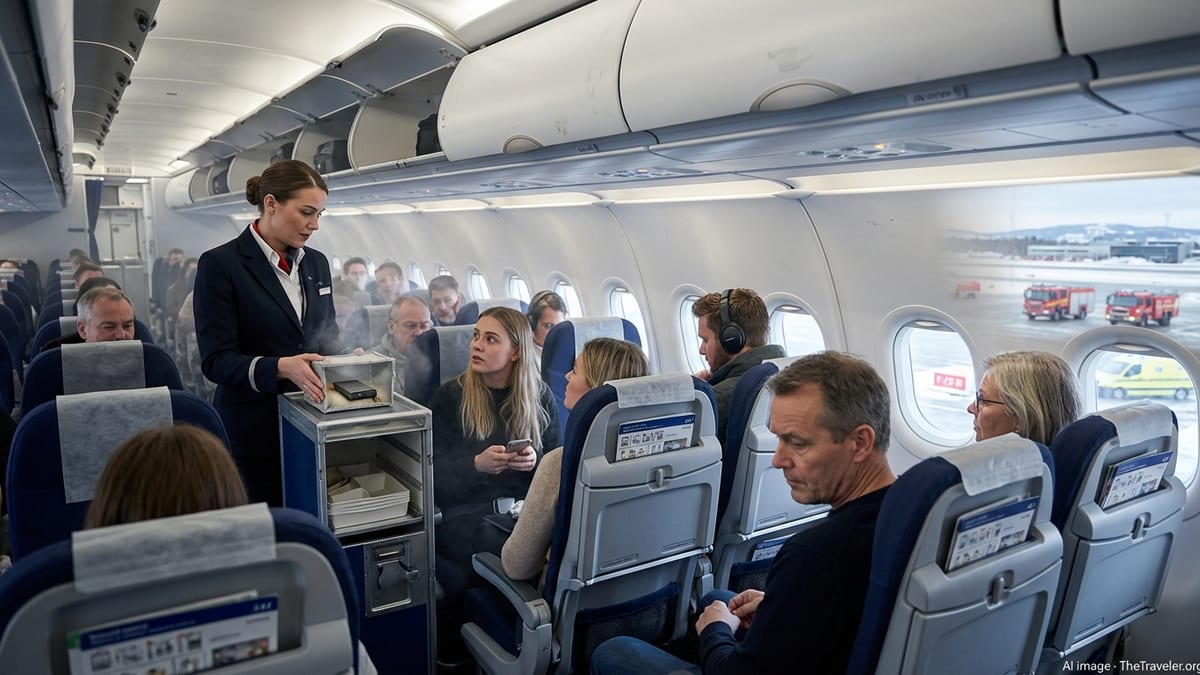
Regulator highlights rising lithium battery incidents
Publicly available information from the UK Civil Aviation Authority indicates that lithium batteries have become one of the most significant safety concerns in modern air travel, particularly as more passengers carry multiple electronic devices on board. Recent awareness campaigns have drawn attention to a steady rise in incidents involving batteries overheating, smoking, or catching fire on aircraft.
According to published coverage of the regulator’s latest warnings, there are now multiple lithium battery related issues reported globally each week, ranging from small electronic devices left charging unattended in seat pockets to power banks incorrectly packed in checked luggage. While most events are contained by crew using on-board fire-safety equipment, each case can lead to operational disruption that affects departure times and turnaround schedules.
The regulator has repeatedly stressed in its public guidance that a lithium battery fire in an aircraft hold represents a particular risk, as it can be harder to detect and control than an incident in the cabin. Safety material from the authority explains that lithium batteries must be transported in line with international dangerous goods rules, and that both passengers and airlines share responsibility for following these requirements.
Reports from European travel media also point to a string of recent incidents where suspected battery problems have prompted diversions or precautionary returns to the gate. While serious outcomes remain rare compared with the huge volume of flights, the cumulative effect of even minor events is adding pressure to already busy aviation schedules.
Power banks and vapes under renewed scrutiny
The latest UK guidance focuses heavily on small consumer items such as power banks, vapes, e-cigarettes and spare camera or laptop batteries. Coverage of the regulator’s campaign notes that these are now among the most frequently mishandled objects in passenger luggage, often discovered inside checked bags after loading has begun.
When ground staff detect power banks or other loose lithium batteries during screening or on the ramp, bags may need to be located and removed from the aircraft so that items can be taken out and placed in the cabin. Industry reporting indicates that this process, particularly at large hubs during peak hours, can delay departures as baggage teams sift through tightly packed holds to find a single suitcase.
Media reports describe instances in which passengers have been reminded at the gate or on board that power banks must travel in carry-on luggage, not in the hold. In some cases, aircraft have returned to stand or experienced extended ground times when it emerged that a battery may have been checked in by mistake. The regulator’s messaging suggests that preventing these situations begins long before passengers reach the airport, with clearer awareness of what can and cannot go into a suitcase.
Alongside power banks, disposable vapes and e-cigarettes are drawing additional attention. Travel industry publications note that these devices often contain small lithium cells which are subject to the same rules as larger batteries. If they are packed loosely in hold baggage, they can be damaged or accidentally activated, increasing the risk of overheating and leading to precautionary checks that slow down departures.
New campaigns aim to protect summer schedules
In advance of the busiest weeks of the summer holiday period, the UK Civil Aviation Authority has launched a consumer-facing campaign designed to keep aircraft on schedule by improving how passengers pack their gadgets. Official material from the regulator outlines a set of simple precautions intended to reduce the number of bags that must be opened or offloaded at the last minute.
Summaries of the campaign in travel trade outlets explain that passengers are being encouraged to place all spare lithium batteries, including power banks, in cabin bags with terminals protected from short circuits. Devices that contain such batteries, like mobile phones, tablets and laptops, should also travel in hand luggage where crew can respond quickly if a problem arises.
The regulator’s materials emphasise that swollen, damaged or counterfeit batteries should never be taken on board, whether in checked or carry-on bags. Public information points to a particular worry over low-quality or untested products bought from online marketplaces, which may not meet international standards. By avoiding these and packing safely, travellers can reduce the chance of in-flight smoke or fire events that force flight crews and ground teams to pause operations.
Reports further note that the campaign aligns with a wider push across global aviation to manage the risks associated with lithium batteries, including updated technical rules from international bodies and airline-specific packing limits. For UK passengers, the practical impact is a stronger emphasis at check-in, security and boarding on removing power banks and similar items from suitcases before they reach the aircraft hold.
Knock-on impact for UK airports and passengers
Recent performance data from the UK aviation sector shows that airports and airlines are still working to improve punctuality and resilience after several years of disruption. While weather, air traffic control issues and staffing challenges remain the main drivers of major delays, publicly available statistics and industry briefings suggest that lithium battery incidents are now a noticeable contributing factor.
When suspected battery problems are discovered after a flight has boarded, turnaround plans can quickly unravel. Ground handling teams may need to unload and reload individual baggage containers, cabin crew must conduct additional safety checks, and pilots may be required to seek technical advice before departure. Travel industry reports describe how seemingly small mistakes, such as a single power bank left in a suitcase, can cascade into missed slots and missed connections across the network.
For passengers, these delays can translate into longer queues, missed onward flights and additional time spent on the tarmac during the height of the summer rush. Consumer advice from the regulator reiterates that, where disruption occurs, existing compensation and care rules still apply, but it also frames correct packing as a straightforward way for travellers to play a part in keeping flights running on time.
Commentary from aviation analysts quoted in news coverage notes that, as device ownership continues to increase, the challenge for regulators and airlines is not only technical, but also educational. Clear pre-travel communication, visible signage at airports and consistent enforcement of rules at check-in and boarding are seen as key tools in preventing lithium battery mistakes that could otherwise ripple across already crowded schedules.
What travelers should know before flying from the UK
Current UK guidance, as summarized in regulator publications and airline advisory pages, states that spare lithium batteries, power banks and vapes must be carried in cabin baggage and are generally prohibited from checked luggage. Many carriers also apply limits on the number and size of batteries per person, particularly for higher-capacity units used with cameras and professional equipment.
Travel reports recommend that passengers check their airline’s specific rules before packing, as some operators adopt stricter limits than the minimum set out in UK and international regulations. Travelers are also advised to switch off devices, avoid charging them unattended on board, and keep batteries protected from being crushed or punctured inside bags.
For visitors and UK residents alike, the growing focus on lithium battery safety means airport staff may intervene more frequently when they spot non-compliant items. Security officers may ask passengers to repack or remove batteries at screening points, while gate staff may seek confirmation that power banks and similar devices are in carry-on bags before boarding is completed.
For the millions of people passing through British airports this season, understanding and following these rules can help minimise avoidable delays. As airlines and regulators continue to underline in publicly available guidance, safely managing the lithium batteries that power today’s travel gadgets is becoming an essential part of keeping flights moving on time.