


More news on this day
The United Kingdom has tightened its travel advice for Saudi Arabia, highlighting growing security risks linked to the US Iran confrontation and warning British nationals about missile, drone and cross border threats, particularly near the Yemen frontier and Red Sea shipping lanes.
Get the latest news straight to your inbox!
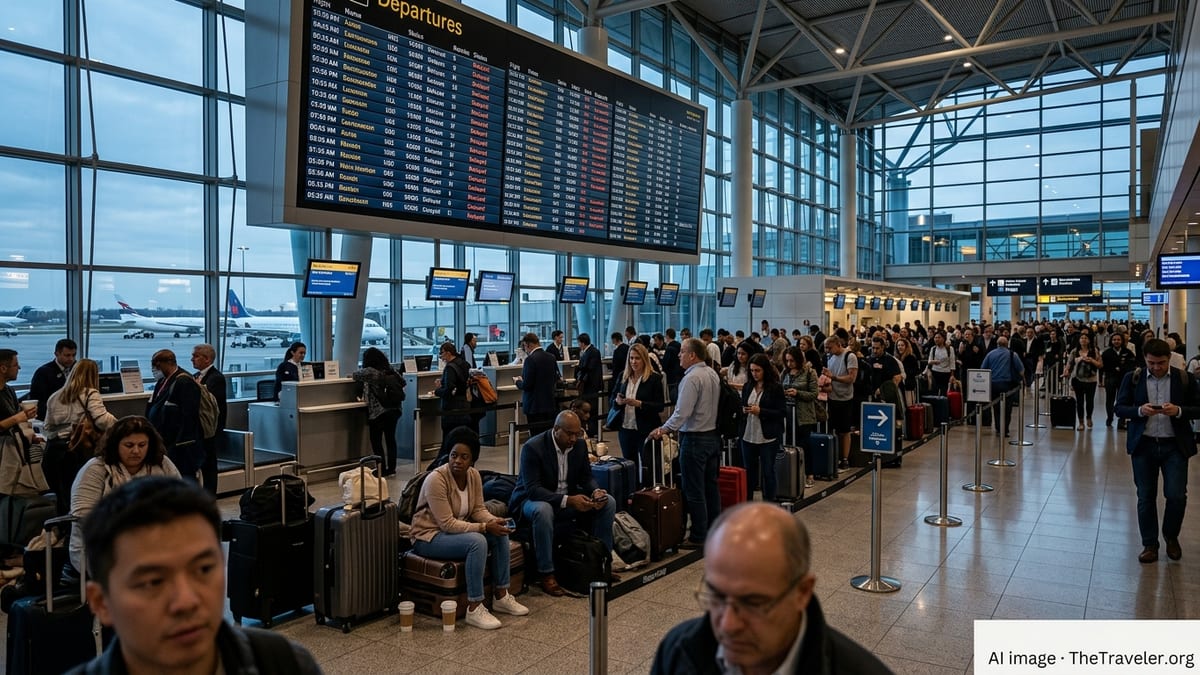
Fresh UK guidance links Saudi risks to regional escalation
Updated travel advice published by the UK Foreign, Commonwealth and Development Office in late July sets out heightened warnings for those visiting or living in Saudi Arabia. The notice points to a series of strikes and retaliatory attacks involving Iran and US interests across the Middle East, and says there is a risk of further incidents and sudden escalation.
Publicly available information on the Saudi Arabia country page notes a continued advisory against all travel within a defined zone along the Saudi Yemen border, as well as against all but essential travel to a wider area in the south of the kingdom. The language refers to cross border shelling, ballistic missile launches and drone attacks, including incidents claimed by Yemen based Houthi forces.
The updated wording follows a broader pattern of revisions to UK travel advice for Gulf states in July, with similar references to recent Iranian missile and drone activity, and warnings that US military and civilian facilities in the region could be targeted. The Saudi specific section situates these risks in the context of the ongoing US Iran confrontation, while underlining that attacks may occur with little or no warning.
The guidance stresses that travellers should maintain a high level of security awareness, monitor local media and be prepared to follow any instructions issued by Saudi authorities. It also encourages people to consider how they would respond in a crisis, including planning exit routes from affected areas.
Focus on Yemen border, Red Sea shipping and critical infrastructure
The most restrictive UK advice applies to areas close to Saudi Arabia’s border with Yemen, where Houthi forces aligned with Iran have periodically fired missiles and drones into Saudi territory and at shipping in the Red Sea. Recent reporting on the latest round of attacks highlights strikes on oil related infrastructure and attempts to target ports and vessels linked to Saudi interests.
According to open source coverage, UK officials have for several years classified a strip of territory within 10 kilometres of the Yemen border as off limits for British nationals, with expanded caution zones around provinces such as Najran, Jazan and Asir. The latest update reinforces that position and draws a clearer line between those longstanding concerns and the wider US Iran confrontation now playing out across the region.
The guidance also draws attention to risks for Red Sea and Gulf maritime routes used by commercial and cruise traffic. Published analysis of recent incidents notes that Houthi groups have claimed attacks on Saudi flagged or Saudi operated ships, while Iranian and US forces have exchanged fire in and around the Strait of Hormuz. The UK advice suggests that such activity can affect flight paths, shipping routes and the broader operating environment for travellers.
Specific references to critical national infrastructure underline concerns about the vulnerability of energy facilities, airports and military bases. Observers point out that previous Iranian and Houthi attacks on Saudi oil installations caused temporary disruptions to global energy supplies, and that any repeat could again affect travel, from flight diversions to tighter security screenings.
Interaction with US advisories and global caution notices
The tightening of UK advice for Saudi Arabia comes alongside a renewed worldwide caution message from the United States government, which cites heightened tensions in the Middle East and the potential for unforeseen escalation. The US alert warns that Iran and groups supportive of Iran may seek to target American interests or locations associated with the United States in multiple regions.
While the UK and US systems use different categorisations, both sets of guidance currently urge travellers to carefully assess the risks of visiting countries that host US bases or are directly involved in the confrontation with Iran. For Saudi Arabia, publicly available US information continues to encourage travellers to reconsider non essential trips, citing the threat of missile and drone attacks and the possibility of terrorism.
Travel risk consultancies tracking the conflict note that the combination of national advisories, airline route changes and insurance restrictions is creating a more complex planning environment for corporate and leisure travellers. Some companies are understood to be delaying non essential visits to Saudi Arabia and neighbouring states, while others are increasing the use of virtual meetings and regional hubs viewed as comparatively lower risk.
Industry analysis indicates that if the current US Iran confrontation persists, more governments may adjust their own guidance for Gulf destinations. Several European and Asian states have already updated their recommendations for Saudi Arabia, often mirroring UK concerns about the Yemen border and critical infrastructure.
Implications for tourists, expatriates and business travellers
The revised UK wording does not amount to a blanket warning against travel to Saudi Arabia, and the majority of the country including key cities such as Riyadh, Jeddah and the Red Sea tourism developments remains open to visitors. However, the emphasis on regional escalation, missile threats and contingency planning is likely to influence how individuals and organisations approach trips.
Travel managers are widely encouraging travellers to register contact details with their embassies, maintain flexible itineraries and check airline communications for any last minute changes to flight paths or schedules. Insurance specialists advise that policy holders should read the fine print on cover for acts of war, terrorism or civil unrest, as exclusions can vary and may be updated in response to official advisories.
For long term expatriates, the guidance reinforces the importance of having a personal emergency plan, including up to date travel documents, knowledge of alternative routes out of the country and an understanding of safe shelter locations in the event of air raid warnings. Publicly available crisis planning materials suggest that such preparation is prudent in any high risk environment, even if the probability of a direct incident remains relatively low.
Reports from the travel and hospitality sector indicate that, so far, most day to day activity in Saudi Arabia’s main business and tourism centres continues largely as normal, with hotels and airlines operating and major events going ahead. The key uncertainty is whether the US Iran confrontation will ease through ongoing diplomatic contacts, or whether further incidents could trigger additional restrictions.
What travellers should monitor in the coming weeks
Analysts following the conflict point to several indicators that could shape the risk profile for Saudi Arabia in the near term. These include the frequency and range of Houthi missile and drone launches from Yemen, any resumption of large scale US airstrikes on Iranian territory, and the degree to which Iranian backed groups target infrastructure in Gulf states that host US forces.
Changes to airline routing over the Gulf and Red Sea, or announcements of temporary airspace closures by regional aviation authorities, are also likely to be early signals of shifting risk. Previous flare ups in the region have led carriers to reroute flights around sensitive areas, occasionally adding time and cost to journeys but reducing exposure to potential incidents.
Travel experts recommend that UK nationals planning trips to Saudi Arabia continue to monitor the official foreign travel advice pages, as well as reputable international media and specialist security briefings. For those already in the kingdom, the new guidance underscores the importance of situational awareness, avoiding sensitive border areas and energy sites, and being ready to adapt plans if the security environment deteriorates.
With the US Iran confrontation still unsettled, the latest UK advisory frames Saudi Arabia as a destination where travel remains possible but requires careful, informed risk management. How that balance evolves will depend heavily on developments far beyond the kingdom’s borders, in the skies and seas where the current escalation is being contested.