


More news on this day
Operations at Houston’s George Bush Intercontinental Airport have come under renewed strain as severe weather systems and network constraints trigger waves of delays and cancellations for United Airlines and American Airlines, disrupting travel across key domestic and international routes.
Get the latest news straight to your inbox!
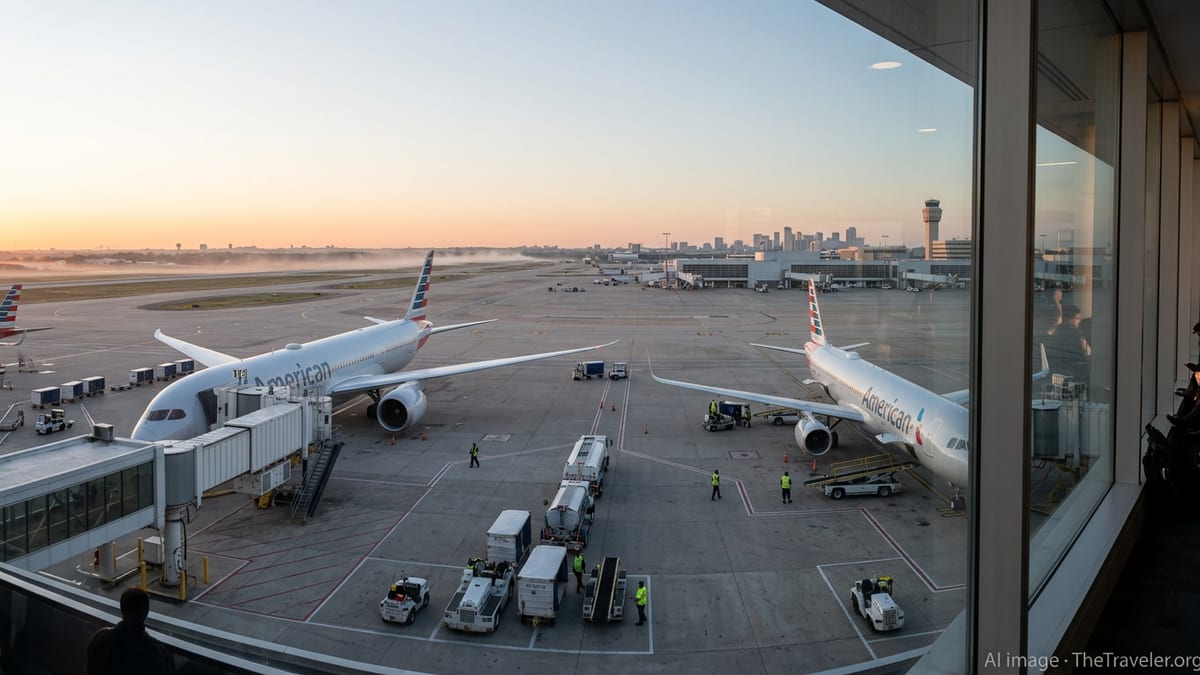
Weather Turbulence Exposes Houston Hub Vulnerabilities
Recent storms and thunderstorm forecasts around the Houston area have again highlighted how quickly operations at George Bush Intercontinental Airport can unravel when conditions deteriorate. Publicly available information from aviation trackers and travel industry coverage indicates that federal ground stops tied to convective weather and low visibility have led to rolling delays and cancellations, particularly for United Airlines, which relies on Houston as one of its largest hubs.
One recent weather episode on May 23 led to a ground stop that sharply curtailed departures from Bush Intercontinental and sent delay ripples throughout United’s broader network. Industry reports show United recording hundreds of delays that day, with dozens of cancellations worldwide as Houston constraints cascaded into connecting banks at other hubs. These patterns underscore how central Houston has become to United’s global schedule and how a single disruption point can quickly magnify into systemwide instability.
American Airlines, which operates a smaller schedule from Bush Intercontinental compared with United, has nonetheless been caught in the same weather-driven bottlenecks. Flight status boards for Houston have shown American services among those running behind schedule or canceled during severe-weather windows, compounding the pressure on travelers seeking alternatives as seats on remaining departures quickly sell out.
Although conditions can improve within hours, the recovery period after a significant weather event often stretches well into the following day as airlines reposition aircraft and crews. For passengers departing or connecting in Houston, that recovery dynamic translates into longer lines, tighter connection windows, and a higher risk of missed onward flights even after the worst of the storms have passed.
United’s Hub Dominance Amplifies Disruptions
George Bush Intercontinental functions as United’s second-largest hub, linking domestic destinations with Latin American, Caribbean, transatlantic, and transpacific routes. Public data on schedules and airport traffic illustrate how that hub structure concentrates a high volume of departures into fairly narrow time banks. When a ground stop or extended arrival hold is put in place, inbound flights stack up and outbound aircraft often miss their planned departure slots.
Travel data providers tracking day-of operations have documented days when United’s Houston departures experienced average delays of an hour or more, with select services significantly exceeding that figure. These operational constraints, combined with heavy summer and holiday demand periods, can leave airlines with few options other than canceling flights outright, especially when crews are nearing duty-time limits.
Because many smaller regional cities across Texas, Louisiana, and the broader Gulf Coast depend on United connections through Houston, cancellations at Bush Intercontinental frequently strand travelers well beyond the immediate metro area. As aircraft and crews are diverted to stabilize mainline routes, some regional frequencies are trimmed or consolidated, reducing flexibility for passengers trying to rebook on the same day.
United has periodically issued travel waivers tied to Houston thunderstorms, allowing affected customers to change flights without additional fees within defined date ranges. While such waivers help travelers make proactive adjustments, they also accelerate the rebooking rush once large blocks of flights are delayed or canceled, putting additional strain on remaining seat inventory.
American Airlines Navigates a Crowded Operational Environment
American Airlines maintains a more modest but still strategically important presence at Houston Bush Intercontinental, feeding its own hub network through routes to airports such as Dallas Fort Worth, Charlotte, and Phoenix. Schedules published by American show multiple daily connections linking Houston to these key centers, supporting both local demand and through traffic.
When operational stress hits Bush Intercontinental, American finds itself competing for airspace, runway capacity, and gate access alongside the dominant United operation and a wide range of domestic and international carriers. Publicly available on-time performance snapshots from flight-tracking platforms show American flights among those affected by ground delays and weather-related congestion in recent weeks.
For travelers, this means that disruptions at Houston are not limited to a single airline, even if United bears the brunt due to its larger footprint. American’s customers have reported missed connections and schedule reshuffles when Houston departures run late, particularly on evening services that are tightly integrated with overnight international banks at American’s main hubs.
American has leaned on its broader network to reroute some Houston passengers through alternate gateways when storm systems linger over the region. That strategy can soften the impact of a local disruption but may entail longer journey times, additional connections, or rebooked itineraries that no longer match travelers’ original plans.
Stranded Passengers and Strained Airport Operations
Operational turmoil at Bush Intercontinental is felt most immediately in the terminal, where delayed and canceled flights translate into crowded security lanes, full gate areas, and long queues at rebooking counters. Recent episodes of high winds and severe storms have left hundreds of passengers facing extended waits as both United and American work through backlogs.
Coverage from local Houston media and aviation-focused outlets has described scenes of jam-packed concourses, with many travelers seeking updated departure information from airline apps and airport display boards. When multiple carriers experience disruptions at the same time, available hotel rooms near the airport can become scarce, forcing some passengers to remain in the terminal overnight while awaiting new itineraries.
Airport operations teams face the additional challenge of managing gate assignments and ramp movements when aircraft arrive off-schedule and may need to hold on taxiways. That congestion can slow the process of disembarking passengers, retrieving baggage, and preparing aircraft for subsequent departures, further extending the recovery timeline for airlines already grappling with crew and equipment shortages.
While no single event has permanently crippled operations at Bush Intercontinental in recent weeks, the cumulative effect of repeated weather and capacity shocks has kept both United and American under pressure as they attempt to maintain reliable schedules from one of the nation’s busiest connecting hubs.
What Travelers Through Houston Should Expect Now
The latest waves of delays and cancellations at Houston Bush Intercontinental underline a broader reality for travelers planning itineraries that rely on major hubs. Publicly available performance data suggest that schedules remain vulnerable to fast-changing weather patterns, particularly in storm-prone regions like the Gulf Coast where convective activity can intensify quickly.
Industry guidance consistently emphasizes the importance of checking flight status frequently on day of travel, especially when connecting through complex hubs such as Houston. Airlines including United and American encourage the use of mobile apps and text alerts, which tend to update more rapidly than printed boarding passes or static itineraries purchased days or weeks in advance.
Travelers connecting through Bush Intercontinental during peak storm seasons may benefit from allowing longer layovers to absorb potential delays, particularly if they are linking from regional feeds into long-haul international flights. Publicly available route maps and schedule planners show just how tightly some connections are timed, leaving little room for disruption once ground stops or air traffic control delays emerge.
As United and American continue refining their operations and adjusting schedules to better match staffing and aircraft availability, Houston is likely to remain both a critical gateway and a potential choke point. Ongoing scrutiny from passengers, consumer advocates, and aviation analysts will keep attention focused on how quickly the airlines can restore reliability when the next wave of storms sweeps across the region.