


More news on this day
A United Express flight operated by SkyWest Airlines from Denver to Cody made an unscheduled diversion to Billings Logan International Airport after a mid flight operational disruption, according to publicly available flight tracking and schedule data.
Get the latest news straight to your inbox!
The Route and the Unscheduled Change of Plan
United Express marketed flight SKW5090 operates the regional link between Denver International Airport and Cody Yellowstone Regional Airport, a short but strategically important hop that connects northern Wyoming with United’s wider network. The service is flown by SkyWest Airlines under a capacity purchase agreement, a common arrangement in which regional carriers operate smaller jets on behalf of major airlines.
On the day of the disruption, the aircraft departed Denver on its usual northerly track toward Wyoming, but mid route the flight plan changed and the crew initiated a diversion toward Billings Logan International Airport in Montana. Diversions of this kind are relatively rare on such short sectors, where the aircraft typically spends more time climbing and descending than cruising, making this event notable for passengers and local travelers relying on the Denver Cody connection.
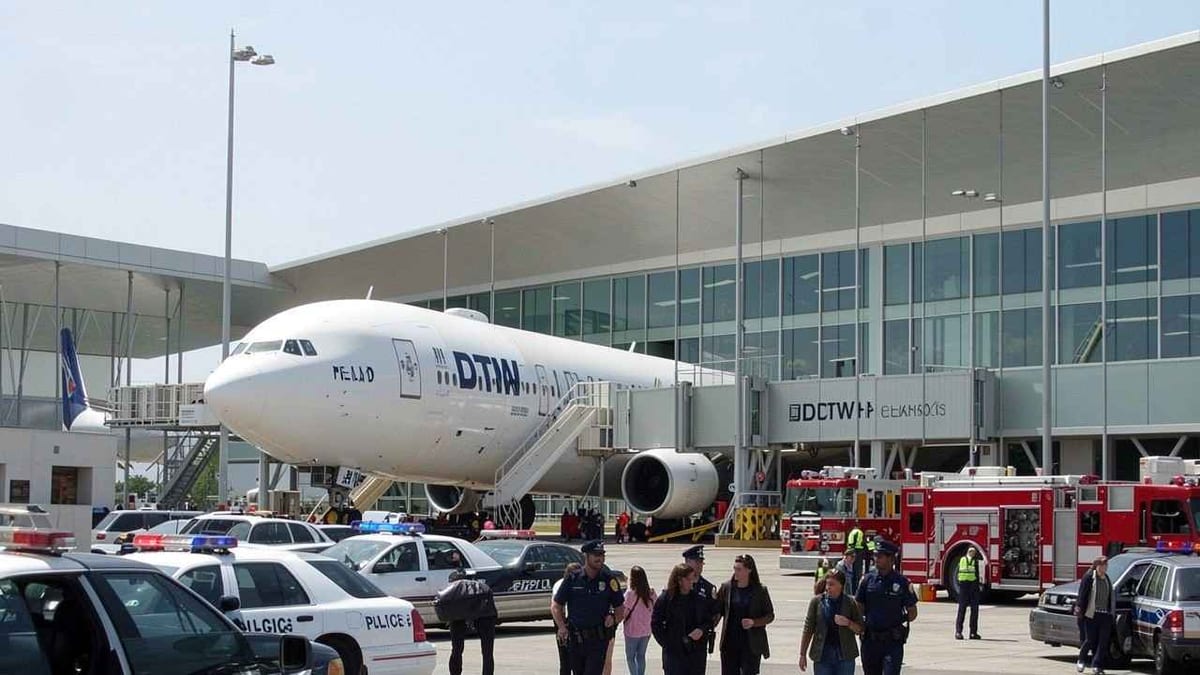
Flight tracking records indicate that the aircraft continued in controlled flight and landed safely at Billings. Ground handling and turnaround information suggest that passengers disembarked normally, with no immediate indications of an evacuation or runway closure at Billings Logan, pointing to a controlled and precautionary diversion rather than an emergency landing.
Publicly available arrival and departure logs at Cody show a gap where SKW5090 would normally appear, consistent with the aircraft not completing its scheduled leg into Yellowstone Regional Airport and instead terminating the segment in Billings.
What Is Known About the Mid Flight Operational Disruption
At the time of writing, there is no detailed incident report released through federal databases or formal safety investigation channels describing a specific technical failure or onboard emergency for this particular flight. The diversion is described in tracking data and schedule irregularities as the result of an operational disruption, a broad term used in airline operations for situations that affect the planned conduct of a flight.
Operational disruptions can cover a range of scenarios, including minor technical malfunctions flagged by cockpit alerts, performance concerns related to weather and runway conditions at the destination, air traffic control constraints, or issues in the cabin that make continuing to the planned airport less practical than diverting elsewhere. In many such cases, crews act well before a situation becomes critical, choosing an alternate airport with better weather, longer runways, or stronger maintenance support.
Billings Logan International Airport often serves as a useful diversion point for flights operating around the northern Rocky Mountain region. It offers multiple paved runways, instrument approach procedures suited to varying weather conditions and a range of maintenance and passenger handling options. That makes it a logical alternate for a regional jet that has left Denver bound for Cody but needs to adjust course due to operational considerations mid flight.
Based on available information, there is no public evidence that the flight experienced a severe in flight emergency, such as a fire, loss of pressurization or structural issue. Instead, the pattern is consistent with a precautionary diversion, in which the crew remains in control of the aircraft while choosing the most conservative option in the interest of safety and operational reliability.
Passenger Impact and Onward Travel Options
For passengers, the diversion to Billings meant an unexpected arrival airport and likely a missed arrival window into Cody. Travelers on regional routes such as Denver to Cody are often connecting to or from longer haul services, or are heading to tourism destinations around Yellowstone and the Bighorn Basin, where same day ground and air links can be limited.
Once a flight terminates at a diversion airport, the operating airline typically organizes a combination of solutions, which can include rebooking on later flights, arranging overnight accommodation when necessary, or providing ground transport to the original destination. On a relatively short route where the intended destination is within several hours’ drive, passengers may be offered bus or van transfers, or the choice to rebook through Denver on a later date.
Billings Logan International Airport functions as a regional hub in Montana, with connections to other major cities and a range of rental car and local transport options. This infrastructure can help mitigate the impact of an unplanned arrival for passengers, even if it adds several hours or more to their journey compared with the original itinerary into Cody.
While individual passenger experiences from SKW5090 are not fully documented in public coverage, similar regional diversions typically result in staggered onward journeys, with some travelers choosing to continue by road and others waiting for the next available flights once the aircraft or a replacement jet is cleared to operate.
How Regional Airlines Manage Diversions in Mountain Regions
SkyWest operates one of the largest fleets of regional jets in North America, linking smaller communities to major hubs on behalf of United Airlines and other large carriers. Routes in and out of airports such as Cody and Billings involve unique operational challenges, including high elevation fields, rapidly changing weather and terrain rich approach and departure paths.
Industry procedures in these environments emphasize conservative decision making. Crews planning flights into smaller mountain airports carefully evaluate runway length, surface conditions, forecast visibility and wind patterns. If conditions evolve in a way that narrows safety margins, diverting to a larger airport with more robust infrastructure can be the preferred option, even if the flight technically remains capable of reaching its scheduled destination.
Regional jets commonly used on United Express services, such as the Bombardier CRJ series and Embraer 175, are certified to the same fundamental standards as larger mainline aircraft, but their performance at high altitude or in contaminated runway conditions can be more sensitive to weight and weather variables. Diversions in this context are often a sign that routine safeguards are working as intended rather than an indication of acute danger.
Operational data from regional carriers, including SkyWest, generally show that diversions represent a small fraction of total departures, but they are more likely on routes into smaller, weather affected airports compared with flights between large hubs. That makes events like the SKW5090 diversion disruptive for travelers yet broadly in line with how airlines manage risk in challenging geographic regions.
What Travelers Can Learn From the SKW5090 Diversion
For passengers, the diversion of United Express flight SKW5090 from Denver to Cody into Billings is a reminder that short regional hops are subject to the same dynamic operational environment as long haul services. Aircraft, weather and airport conditions can shift quickly, and crews will frequently choose the option that maximizes safety and operational margin, even when it leads to inconvenience and schedule disruption.
Travelers flying into mountain gateway airports such as Cody Yellowstone Regional Airport may wish to allow additional time buffers in their itineraries, especially when connecting to tight same day plans such as tour departures or long drives into national parks. Building in flexibility for possible weather or operational interruptions can reduce the stress if a diversion or extended delay occurs.
Events of this type also highlight the value of monitoring airline and airport notifications through apps and information boards, which can provide early indications of irregular operations. While full technical explanations may only emerge later through official reporting channels, real time updates about diversions, gate changes and rebooking options can help travelers make faster decisions about accommodation or alternative transport.
As flight data and public reporting continue to develop, SKW5090’s diversion into Billings will sit within a broader pattern of precautionary decisions that characterize regional airline operations across the Rocky Mountain West, illustrating how carriers balance reliability with the overriding priority of maintaining safe outcomes for passengers and crew.