


More news on this day
A United Airlines flight bound for Newark from Las Vegas turned back shortly after departure on Saturday, October 24, 2026, after a flight attendant reportedly saw a passenger texting about hijacking the aircraft, triggering a security response that left 150 passengers stranded overnight in Nevada.
Get the latest news straight to your inbox!
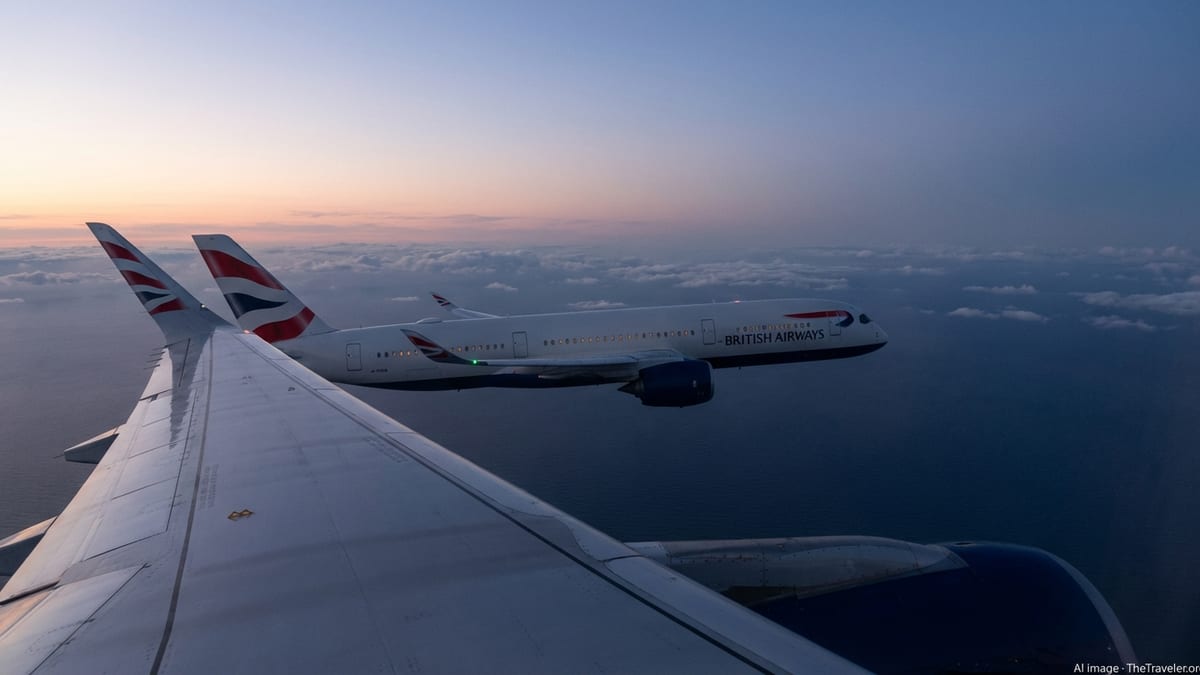
Flight 1681 turns back after midair security alert
Publicly available information identifies the aircraft as United Airlines Flight 1681, operating from Harry Reid International Airport in Las Vegas to Newark Liberty International Airport. The Boeing 737, carrying 150 passengers and six crew members, departed on Saturday evening before reversing course over concerns about a potential threat.
Reports indicate that a flight attendant noticed a passenger’s mobile phone displaying text messages referencing a hijack attempt. The contents of the messages have not been released in full, but multiple news reports state that the language was serious enough for the cabin crew to escalate the situation to the cockpit.
According to published coverage citing air traffic control audio, the cockpit was placed in lockdown while the crew coordinated with controllers to return to Las Vegas. The flight circled to burn fuel and then landed safely back at Harry Reid International Airport without injuries among passengers or crew.
Subsequent reports from local media in Las Vegas describe the incident as a “potential security concern” and a “passenger disturbance,” noting that law enforcement met the aircraft on arrival. Officials have not publicly released the identity of the passenger involved or clarified whether any criminal charges have been filed.
Overnight disruption for Newark-bound travelers
The security scare quickly became an operational crisis for travelers on board. According to travel and aviation reporting on the incident, the crew of Flight 1681 reached their duty-time limits after the diversion, making it impossible for them to operate another departure to Newark that night.
With the aircraft effectively grounded for the evening, roughly 150 passengers were left in Las Vegas awaiting re-accommodation. Coverage in national and international outlets describes an overnight delay, with the replacement service to Newark departing the following morning once a fresh crew became available.
United’s public statements on the episode have emphasized that the flight landed safely and that standard safety and security procedures were followed. However, as of the latest reports, the airline has not provided a detailed public breakdown of how many customers were placed in hotels, rebooked on alternate flights, or compensated for missed connections on the East Coast.
Travelers posting on social media and in online aviation forums describe long queues at customer service desks and difficulties securing lodging near the airport, a familiar pattern during major overnight disruptions at hub and focus cities where hotel capacity can quickly become constrained.
Security protocols in focus after hijack reference
The decision to lock down the cockpit and divert the flight reflects the strict posture that airlines and regulators have maintained toward in-flight threats since the early 2000s. According to publicly available industry guidance, any explicit mention of hijacking, bombs or similar threats in the cabin is treated as a potential security incident, even if it ultimately proves to be non-credible.
In this case, the concern reportedly stemmed from text messages viewed on a passenger’s personal device rather than verbal statements or physical actions. Aviation and security commentators note that digital communications have become a growing part of modern threat assessments, with crew members trained to respond if they see messages that appear to reference violence or interference with the flight.
Published accounts of the United 1681 incident indicate that, after the alleged hijack text was reported, the pilots requested time from air traffic controllers to prepare for the return and manage the aircraft’s fuel. The crew also sought to keep the passenger unaware of the full extent of the response while prioritizing the safety of those on board.
Law enforcement agencies at Harry Reid International Airport have acknowledged responding to the incident in general terms, but available reports show that they have not disclosed whether the passenger remains in custody, nor have they shared information about any broader investigation into possible terroristic threats.
What travelers can expect in similar diversions
The United flight’s diversion and overnight delay highlight how rapidly travel plans can unravel when a midair security alert occurs. While each case is handled individually, consumer-facing guidance from airlines and regulators provides some indication of what passengers can typically expect when a flight is forced to return to its departure airport.
When the cause of a disruption is categorized as a security issue rather than weather, many major U.S. carriers offer hotel accommodation or vouchers when an overnight stay becomes unavoidable, provided rooms are available nearby. However, airline contracts of carriage and customer policies differ, and publicly available information on this case does not yet confirm what specific assistance United extended to all affected passengers on Flight 1681.
Rebooking options can also be limited after a late-night diversion, particularly on routes that rely on a small number of daily departures. For travelers bound for Newark and onward destinations along the East Coast, the return to Las Vegas meant missed connections and, in some instances, the need to adjust ground transportation, hotel reservations, or work schedules.
Travel experts often recommend that passengers facing an unexpected diversion use both airline customer service agents and self-service tools such as mobile apps to secure the earliest possible alternative itinerary. In high-demand markets like New York and New Jersey, same- or next-day seats can disappear quickly when a full aircraft’s worth of travelers is seeking rebooking at the same time.
Ongoing questions as investigation and reviews continue
As of the latest reporting, several aspects of the United Flight 1681 incident remain unclear. Publicly available coverage does not specify whether the text messages described an actual plan to hijack the aircraft, a hoax, or an ill-judged comment taken as a credible threat by the crew.
Authorities have also not disclosed whether any weapons, prohibited items, or accomplices were identified in connection with the passenger who was reportedly texting. In the absence of detailed official statements, much of the emerging narrative has been pieced together from airline statements, airport communications, air traffic control recordings, and media interviews with passengers.
For United, the episode underscores the operational and reputational challenges that follow high-profile security scares, even when flights land safely and standard procedures work as designed. The airline continues to describe the matter as a potential security concern, while additional details about the individual involved, the nature of the messages, and any legal consequences may emerge as investigations progress.
For travelers, the diversion of Flight 1681 from Las Vegas serves as a reminder of how seriously aviation stakeholders treat any reference to hijacking. It also illustrates how a single incident in the cabin can ripple across an entire travel day, from missed connections to unexpected hotel stays, particularly when a full planeload of 150 passengers is left waiting overnight for a way to complete their journey.