


More news on this day
A United Airlines Boeing 737-900 operating Flight UA 776 from Orlando to Newark on May 21, 2026, diverted to Richmond International Airport, leaving passengers facing an unscheduled landing, a three-hour delay and disrupted onward travel plans, according to early flight-tracking data and media reports.
Get the latest news straight to your inbox!
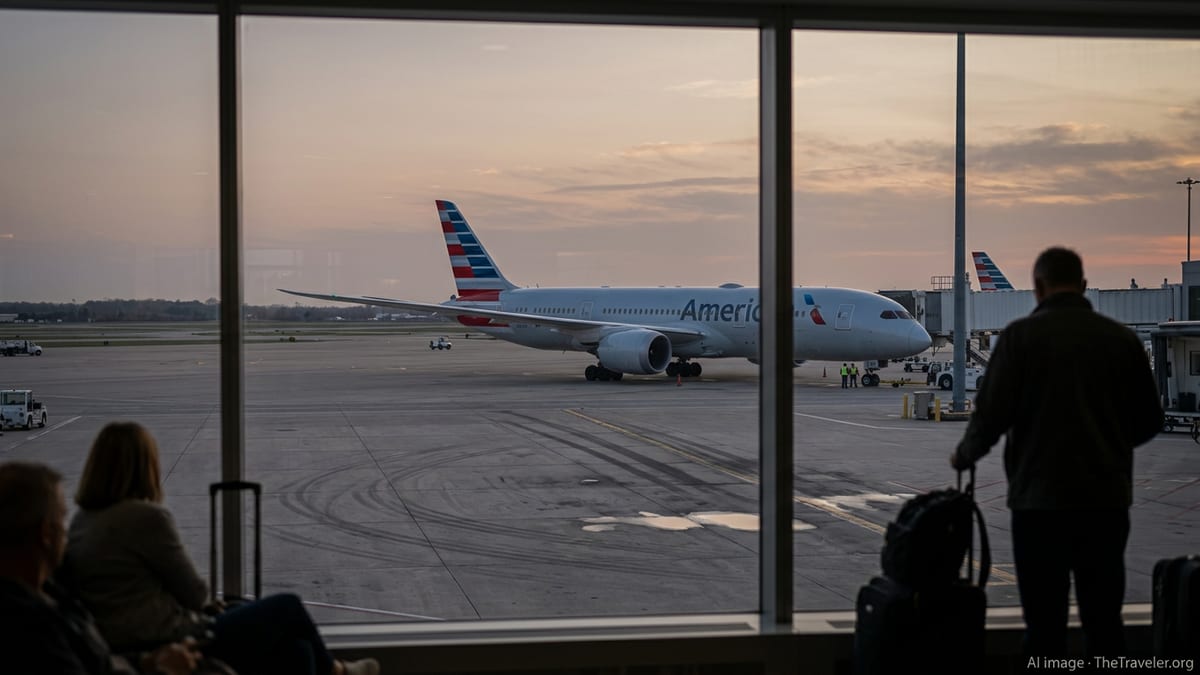
Orlando to Newark Flight Makes Unexpected Stop in Richmond
Publicly available flight-tracking information indicates that United Airlines Flight UA 776 departed Orlando International Airport on Thursday, May 21, 2026, bound for Newark Liberty International Airport in New Jersey. The service was operated by a Boeing 737-900, a narrow-body aircraft commonly used by the carrier on high-frequency domestic routes.
Instead of completing the scheduled journey along the busy Orlando–Newark corridor, the aircraft diverted to Richmond International Airport in Virginia. Data reviewed after the event shows the jet altering course north of Florida and ultimately descending into Richmond, where it made what was described in early coverage as an emergency landing.
Initial accounts shared by passengers on social media platforms describe a routine departure from Orlando followed by an unplanned change of destination announced midflight. While the exact trigger for the diversion was not immediately clear, tracking logs and public discussions around the flight show that the aircraft landed safely in Richmond and taxied to the gate without further incident.
Once on the ground, travelers remained in Virginia as the airline evaluated next steps for both the aircraft and its customers. The diversion turned a relatively short domestic flight into a prolonged travel disruption for those headed to the New York metropolitan area ahead of a busy late-May travel period.
Three-Hour Delay and Emergency Landing Add to Passenger Disruption
Reports circulating on travel forums and social channels suggest that passengers experienced a delay of roughly three hours as a result of the diversion to Richmond. For many travelers, the Orlando–Newark route is part of a broader itinerary including evening connections to destinations across the Northeast, Midwest and overseas, meaning the extended delay had knock-on effects well beyond the original arrival time.
Travelers posting publicly described remaining on board for a period after landing before deplaning in Richmond, with some accounts indicating that ground staff coordinated refueling, inspections or rebooking options. While available information shows that the flight was categorized as an emergency landing due to the unplanned nature of the arrival, there were no immediate indications of injuries among passengers or crew.
The three-hour disruption also meant that some customers missed onward flights out of Newark, which is one of United’s largest hubs. Publicly available guidance from airline and airport resources notes that diversions of this type can lead to rebookings on later departures, overnight accommodations in some cases and delays in the delivery of checked baggage when aircraft are repositioned or substituted.
For families returning from Florida vacations and business travelers alike, the extended delay in Richmond underscored how quickly a short-haul journey can be reshaped by an in-flight operational issue. Comments shared online highlight frustration at missed commitments but also relief that the aircraft landed safely and that passengers were ultimately able to disembark in a controlled environment.
What Is Known So Far About the Diversion
As of the latest publicly available updates, detailed technical information about why Flight UA 776 diverted to Richmond had not been fully outlined in open reporting. Flight-tracking logs simply record the change of course and landing at Richmond International Airport, while early news summaries and traveler accounts reference an emergency or precautionary landing rather than a routine reroute.
In similar situations involving diversions, published aviation guidance points to several common causes, including potential mechanical irregularities, onboard medical situations, airspace congestion or weather-related constraints near the destination. There is no public confirmation yet that any one of these factors was solely responsible for the decision made on UA 776, and information currently available stops short of specifying a definitive root cause.
What can be observed from the data is that the Boeing 737-900 involved completed its descent and landing at Richmond without further major disruption noted in flight records. Photo and video posts attributed to passengers appear to show emergency vehicles positioned near the aircraft after arrival, a standard precaution often taken when crews report an issue prior to landing.
Publicly accessible materials from aviation regulators and safety agencies emphasize that such diversions are generally undertaken out of an abundance of caution. In many cases, subsequent inspections clear the aircraft to return to service after ground checks, while in other instances a different jet is brought in to carry passengers onward to their destination, depending on the outcome of maintenance evaluations.
Impact on Travelers and Operations at Newark and Richmond
The diversion of a full Boeing 737-900 service from Orlando to Newark added unexpected pressure to airport operations at both endpoints and at Richmond, which became the temporary destination. Richmond International Airport, typically handling a mix of regional and domestic services, periodically accommodates diverted mainline jets during weather and operational disruptions affecting the Northeast corridor.
For Newark Liberty International Airport, the absence of a scheduled arrival like UA 776 can have a modest but noticeable effect on evening traffic flows, aircraft rotations and crew scheduling. Newark is a key hub in United’s network, and publicly available operations analyses show that even a single diverted narrow-body aircraft can ripple through subsequent departures as airlines adjust gate assignments and aircraft availability.
Travelers affected by the disruption faced multiple layers of inconvenience. Those whose final destination was the New York region had to wait for either a continuing flight or ground transportation arrangements organized after the diversion. Passengers connecting in Newark to other domestic or international flights encountered the added challenge of rebooking, with some likely moved to later services on the same day or to flights on May 22.
Discussions in frequent flyer communities describe a pattern in which diversions into secondary airports like Richmond can complicate baggage handling. Checked luggage may remain on the original aircraft until it is repositioned, leading to cases where customers arrive at home or at a hotel hours before their bags, or where suitcases are forwarded separately through the hub once normal operations resume.
Context: Diversions and Airline Response During a Busy Travel Period
The diversion of UA 776 occurred as the late-May travel period began to ramp up, with many travelers heading to and from Florida ahead of the Memorial Day weekend. Industry data for recent years indicates that this timeframe often brings elevated traffic levels on routes linking Orlando to major hubs like Newark, increasing the operational complexity carriers must manage when unexpected events arise.
Published guidance from airline and consumer travel resources notes that diversions are relatively rare compared with the number of flights completed each day, but they do occur often enough that travelers are encouraged to monitor flight-status tools and mobile apps in real time. These platforms typically provide updates on gate changes, estimated departure and arrival times, and any recorded diversions or returns to the gate.
In the wake of the UA 776 event, travelers posting online have focused on questions around communication, options for rebooking and access to accommodation or meal support during an extended delay. Consumer advocates often recommend that passengers document timelines, keep boarding passes and receipts and review carrier policies on delays and diversions in order to understand what forms of assistance may be available in such circumstances.
As more detailed information emerges in published coverage and official records over the coming days, the diversion of Flight UA 776 is likely to become one more data point in broader conversations about airline reliability, crew decision-making and the resilience of hub-and-spoke networks during peak travel seasons.