


More news on this day
The United States is increasingly positioning the Amtrak-operated California Zephyr as a flagship scenic rail adventure, highlighting the marathon transcontinental route as a slower, landscape-focused alternative to domestic air travel between the Midwest and the West Coast.
Get the latest news straight to your inbox!
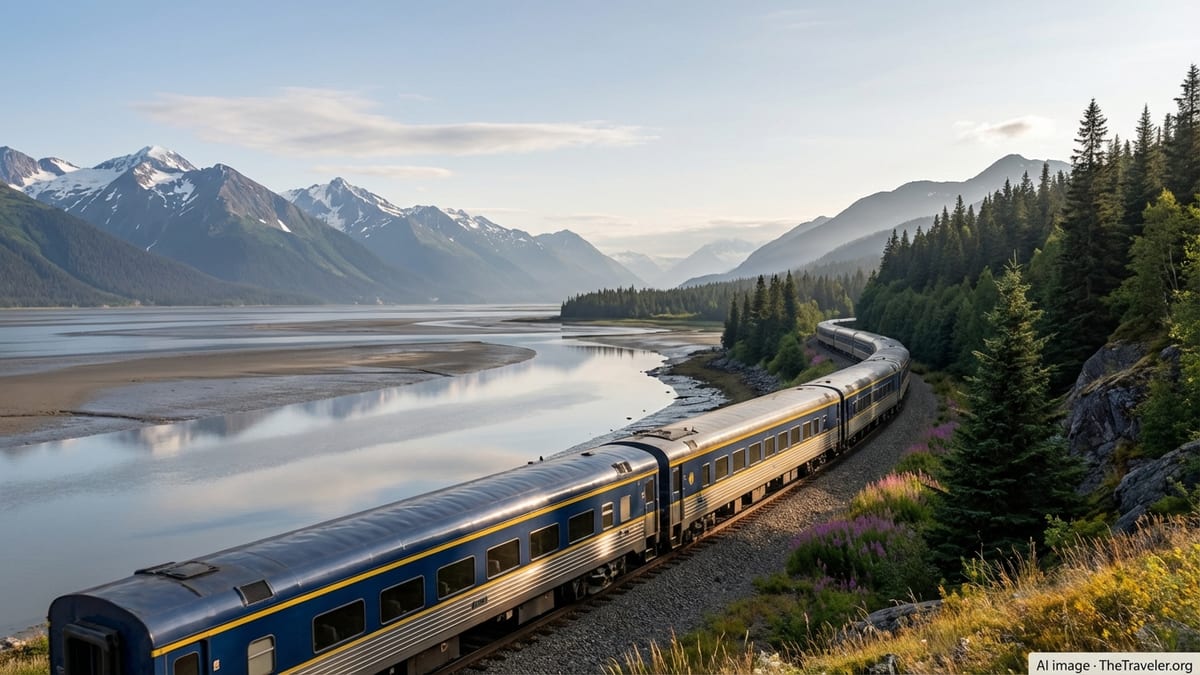
A Classic Route Recast as a Scenic Rail Journey
Publicly available information shows that national rail operator Amtrak and a growing number of travel platforms are promoting the California Zephyr as one of the longest and most dramatic passenger rail journeys in the United States. Running between Chicago and the San Francisco Bay Area suburb of Emeryville, the service covers roughly 2,438 miles and typically takes just over 52 hours from end to end.
Recent route guides and timetable data indicate that the train departs daily in both directions, crossing the prairies of the Midwest before climbing into the Rocky Mountains and descending through high desert and the Sierra Nevada. Current schedules published for spring 2026 show a two-night journey in standard operation, with sleepers and coach seating offered on Superliner equipment.
Travel and leisure publications have in recent months spotlighted the train as a bucket-list experience, noting that the journey functions as an extended moving panorama of the American interior. Coverage often describes the Zephyr as an experience designed for travelers who value the journey itself rather than simply the destination, aligning with broader interest in slow travel and lower-impact transportation.
Industry histories point out that the Zephyr brand has long been associated with scenic travel rather than speed. Earlier mid-20th-century versions of the California Zephyr were marketed as “rail cruises” through the Rockies, a positioning that contemporary tourism marketing is now echoing as demand grows for immersive overland trips.
Rockies, Canyons and Sierra Nevada Anchor the Experience
Published route descriptions describe the Chicago to Denver segment as a prelude to the most dramatic scenery, carrying passengers across Illinois and Iowa farmland and over the Mississippi River before traversing the plains of Nebraska and eastern Colorado. Overnight running means many travelers wake to sunrise over the high plains as the train approaches Denver’s Union Station.
From Denver westward, the line is widely cited as one of the most scenic stretches of passenger rail in North America. The train climbs into the Rocky Mountains, threading through canyons along the Colorado River and passing remote stretches of terrain that are otherwise accessible only by river or backcountry roads. Rider accounts shared in early 2026 highlight extended riverbank views and frequent sightings of rafters, wildlife and isolated homesteads.
Further west, timetable and route guide information show the train continuing across Utah and Nevada’s high desert, then tackling the Sierra Nevada between Reno and the Sacramento Valley. This segment includes mountain passes, tunnels and snowsheds that often feature in photo essays and social media posts about the Zephyr. For many travelers, the descent into California’s Central Valley and onward to the Bay Area marks the final act of a three-part landscape narrative.
Rail travel commentators note that the line effectively knits together multiple regional tourism destinations, serving major hubs such as Denver and Salt Lake City along with smaller communities that use the train both as a practical link and as a gateway for outdoor recreation.
Tourism Demand and New Rail Travel Trends
According to recent coverage in travel media, the California Zephyr has benefited from a broader resurgence of interest in long-distance rail within the United States. Articles published in 2026 list the route among the country’s “most incredible journeys,” citing its length, diversity of scenery and the presence of dedicated viewing lounges with large windows as key draws.
Independent schedule trackers and enthusiast sites report strong demand for both coach and sleeper accommodations, particularly during peak holiday periods and in months when mountain scenery is most reliable. Some sources note that Amtrak has planned or implemented additional capacity at various times to respond to seasonal ridership patterns.
The Zephyr’s visibility in consumer media also coincides with expanding interest in other experiential rail products. Luxury private cars, regional tourist trains and proposed overnight services are increasingly covered alongside Amtrak’s long-distance network, positioning the Zephyr within a growing ecosystem of rail-based travel options across the country.
Observers argue that this momentum reflects shifting traveler priorities, with more passengers willing to trade flight time for multi-day journeys that combine transportation, lodging and sightseeing into a single experience. The California Zephyr, with its extended timetable and panoramic route, is frequently cited as a prime example of that emerging preference.
Practical Considerations for Prospective Passengers
Current timetable documents and public advisories show that the California Zephyr operates daily but remains subject to schedule adjustments, track maintenance and weather-related disruptions, particularly in mountain regions. Amtrak’s service notices for June 2026, for example, reference temporary changes to Zephyr operations on specific dates, underscoring the need for passengers to check conditions close to departure.
Onboard, travelers can typically choose between standard coach seating and sleeper accommodations, which bundle meals with private rooms of varying sizes. Travel guidance from rail-focused sites suggests that the experience differs significantly depending on whether passengers are in coach for the full two nights or have access to a roomette or bedroom for rest and privacy.
Food service and scenic viewing are central elements of the journey. Publicly available information on the train’s configuration indicates that most departures include a Sightseer Lounge car with floor-to-ceiling windows and informal seating, in addition to dining and café cars. Many travel writers advise spending waking daylight hours in the lounge to maximize views, particularly between Denver and western Colorado and during the climb over the Sierra Nevada.
Given the length of the trip, trip-planning resources commonly recommend building in extra time at either end of the journey and considering stopovers in major intermediate cities. Some travelers pair the rail segment with national park visits or city stays, framing the Zephyr as the backbone of a broader overland itinerary.
Broader Role in U.S. Rail and Tourism Strategy
The attention directed to the California Zephyr comes as federal and state initiatives continue to emphasize passenger rail’s potential roles in climate policy, regional development and tourism. Policy documents and public statements in recent years have highlighted the benefits of shifting some long-distance travel from roads and skies to rail, particularly on corridors where existing infrastructure can be upgraded.
Analysts note that marquee routes such as the Zephyr help build public awareness of rail as a viable option, even when journey times are significantly longer than flights. By framing the trip as a destination in itself, tourism campaigns can attract travelers who might otherwise not consider cross-country rail, especially international visitors interested in seeing multiple American landscapes in a single trip.
Industry observers also point out that the Zephyr’s cross-country profile complements planned and proposed projects elsewhere in the network, including high-speed rail initiatives and regional services. While those projects focus on speed and frequency, the Zephyr emphasizes experience, giving the national system a diversified portfolio of offerings.
For now, the California Zephyr remains a daily, long-distance train that doubles as an extended scenic excursion, showcasing some of the United States’ most striking terrain from the comfort of a moving observation lounge. As interest in rail-based adventures continues to build, the route is likely to remain central to how the country presents its rail network to travelers at home and abroad.