


More news on this day
A cascading technology failure at United Airlines combined with a burst of severe summer storms has triggered more than 2,000 flight cancellations across the United States in July 2026, stranding travelers at major hubs and highlighting the continued fragility of the nation’s air travel system in peak season.
Get the latest news straight to your inbox!
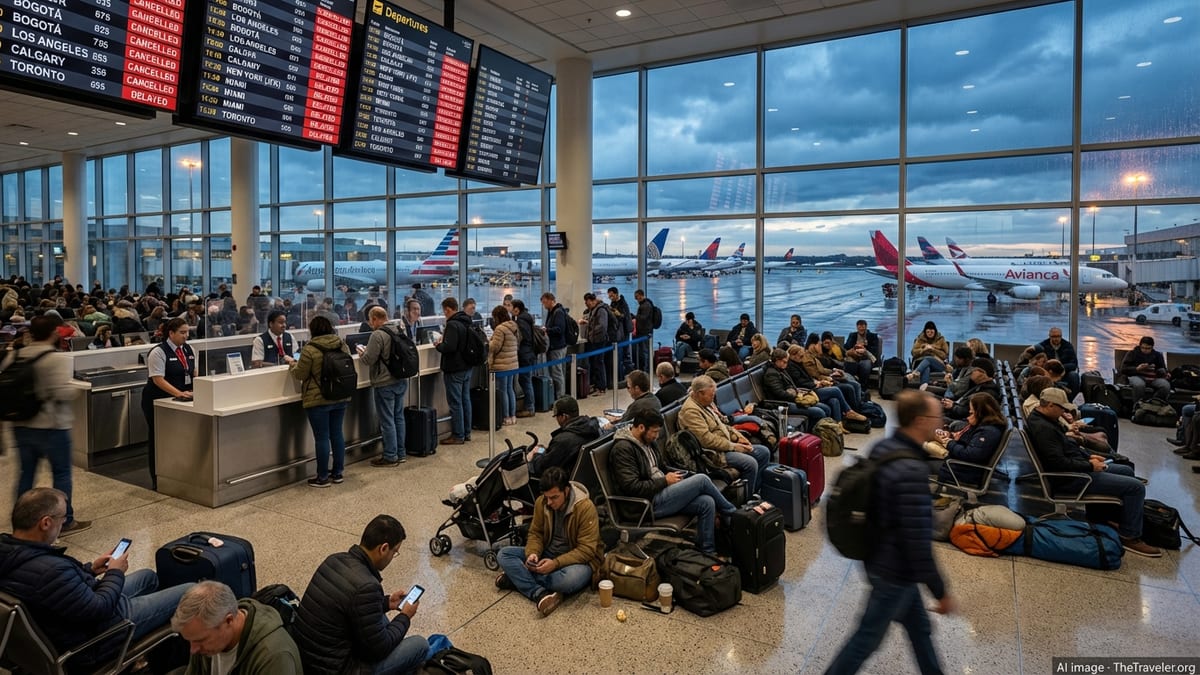
Systemwide outage snarls United’s peak summer operations
Publicly available coverage indicates that United Airlines experienced a significant technology outage on July 18, 2026, disrupting key passenger-facing and operational systems at the height of the busy summer travel period. Reports describe problems with reservations, check in, airport kiosks and contact centers, leading to widespread delays across the carrier’s domestic network and at international gateways.
Passenger accounts shared on social media platforms and aviation forums describe long lines at check in counters, aircraft unable to complete boarding and gate agents struggling to process routine transactions. Travelers reported disruptions at major hubs such as Newark Liberty, Washington Dulles, Houston Bush Intercontinental and San Francisco, suggesting the issue affected the airline’s system rather than a single location.
United stated in public comments that operations were returning to normal later in the day after the early morning outage, but the ripple effects extended into the evening schedule. With aircraft and crews out of position and peak-hour flights heavily delayed, cancellations mounted across the network even after core systems were restored.
Independent outage trackers and aviation alert services recorded elevated disruption levels for United throughout the weekend of July 18 to 19. These data, combined with airport departure board tallies, indicate that the technology failure was a primary driver of a large share of the more than 2,000 United cancellations recorded in the United States so far this month.
Severe storms compound delays across key U.S. hubs
The tech outage unfolded against a backdrop of unsettled summer weather that had already been pressuring airline operations across large portions of the country. Earlier in the week of July 15, a series of powerful thunderstorms over Texas brought torrential rain, flash flooding and tornado warnings, prompting ground stops and route restrictions at airports including Houston and Dallas. Aviation disruption trackers reported thousands of delays and dozens of cancellations nationwide linked to this single weather system.
Weather-related problems did not stay confined to the South. By July 18 and 19, strong thunderstorm lines pushed into the Mid Atlantic and Northeast, affecting heavily trafficked corridors that include New York, Washington and Boston. Travel waivers published for United customers in these regions referenced the risk of extended delays and proactive cancellations as the airline attempted to thin schedules ahead of the storms.
Posts from affected passengers describe flights canceled hours before departure with weather cited as the cause, even in cases where local conditions appeared calm at the time. Aviation analysts note that such preemptive cancellations have become more common as airlines seek to avoid chaotic last minute disruptions when storms build more quickly or linger longer than forecast.
Combined with the lingering effects of the Texas storms on aircraft and crew rotations, the fresh round of East Coast thunderstorms created a challenging operating environment. When the technology outage hit on July 18, many flights were already flying tight schedules in airspace constrained by weather, leaving limited room to absorb further disruption.
Ground stops, tech fragility and lessons from past meltdowns
Daily air traffic reports from federal aviation authorities show that mid July featured multiple periods of ground delay programs and ground stops across major hubs as storms moved through key regions. These traffic management initiatives are designed to keep skies safe during severe weather but often result in cascading delays, missed connections and last minute cancellations.
The United outage arrived less than two years after a separate global technology incident in 2024 that severely impacted airlines and critical infrastructure worldwide. That earlier disruption, which involved third party software used by multiple carriers, led to tens of thousands of cancellations industrywide and exposed how dependent modern aviation has become on complex, interconnected IT systems.
While the July 2026 United event appears more limited in duration than the 2024 meltdown, travel industry observers see clear parallels. Both disruptions demonstrate that even short lived outages can trigger days of operational challenges when they intersect with tight schedules, high passenger volumes and constrained air traffic capacity during extreme weather.
Academic research on aviation resilience has warned that increasing climate volatility combined with aging or fragmented technology can amplify the risk of large scale disruption. The United events in July, occurring amid storms from Texas to the Northeast, provide a fresh example of how these factors can align to overwhelm airline recovery plans.
Impact on travelers and what disrupted passengers can expect
For passengers caught in the mid July disruptions, the most immediate effects have been missed vacations, scrapped business trips and nights spent in terminal waiting areas as rebooking options filled up. With summer flights already operating near capacity across much of the domestic network, many travelers reported being rebooked one or two days later or being routed through multiple connections to reach their destinations.
Consumer advocates point to federal transportation rules that entitle passengers to refunds when a flight is canceled by the airline, regardless of whether the cause is weather, a technology issue or other operational factors. Under these rules, travelers who choose not to travel after a cancellation can request a refund to their original form of payment instead of accepting credits or vouchers.
Compensation for additional costs such as hotels, meals and onward connections is more complicated. U.S. regulations do not require airlines to cover these expenses for weather related cancellations, and carriers generally frame storms as outside their control. For outages and internal technology failures, policies vary by airline and are often applied on a case by case basis when passengers seek reimbursement.
Travel experts advise affected customers to document all expenses, keep records of flight notifications and communications, and pursue refunds directly with the airline before turning to credit card dispute channels or formal complaints if necessary. They also suggest monitoring airline travel waiver pages, which can allow voluntary changes at no fee when storms or other issues are forecast to intensify.
Broader questions over summer capacity and airline resilience
The confluence of United’s technology outage and severe weather in July 2026 is adding fuel to a broader debate about whether U.S. airlines have scheduled too aggressively for the summer peak relative to their operational resilience. Industry data through the first half of the year show that cancellation rates have risen compared with 2025, even as demand remains strong and ticket prices elevated on many routes.
Some analysts argue that carriers are pushing aircraft and crew utilization to levels that leave little slack when storms, air traffic constraints or technology failures occur. Under this view, operational meltdowns are not isolated incidents but symptoms of a system operating at or beyond its sustainable limits during peak travel periods.
Others note that airlines face pressure from investors and competitors to capture strong demand, and that adding reserve crews and backup aircraft at scale would significantly increase costs. From this perspective, episodes such as the July United outages and weather disruptions are seen as painful but statistically rare events in a complex network that generally moves millions of passengers safely each day.
For travelers, the July 2026 disruptions offer a practical reminder that summer flying in the United States remains vulnerable to both extreme weather and digital fragility. As airlines, regulators and airports review what went wrong, the experience of more than 2,000 canceled flights this month is likely to feed calls for clearer passenger protections, more conservative scheduling and continued investment in modern, resilient aviation technology.