


More news on this day
Travelers and residents in Bahrain’s capital are facing heightened uncertainty after the United States Embassy in Manama issued a critical security alert in the wake of morning air raid sirens and reported disruptions in the city’s central districts.
Get the latest news straight to your inbox!
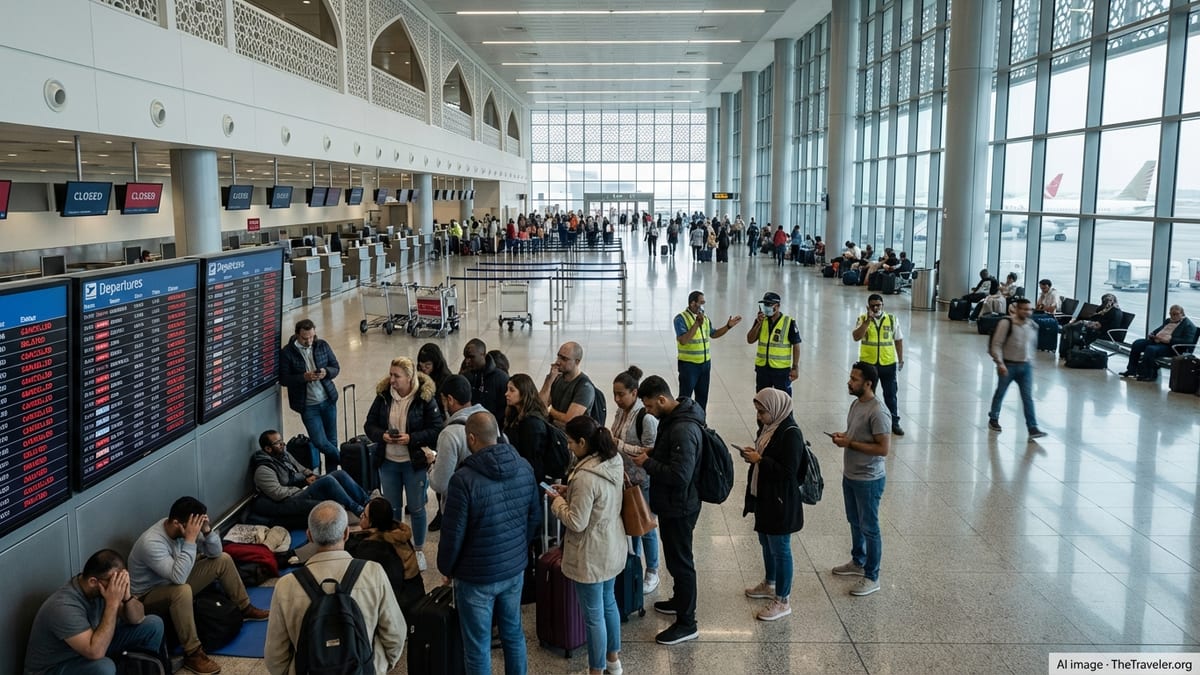
Warning Highlights Possible Targeting of Central Manama
Publicly available information from diplomatic and media sources indicates that on July 20, 2026, the United States Embassy in Manama circulated an updated security alert warning of possible attacks linked to regional tensions involving Iran. The alert stated that the embassy had information suggesting Iran could seek to target unspecified locations in central Manama, prompting renewed concern among foreign missions, residents and visitors.
According to published coverage from regional and international outlets, the alert urged individuals to be prepared to react quickly in the event of explosions or the activation of sirens. Guidance reportedly included seeking cover away from windows, monitoring official channels for updates, and remaining aware of rapidly changing conditions in the city’s commercial and administrative core.
The warning follows months of elevated risk associated with the wider conflict between the United States and Iran, which has already resulted in previous strikes and intercepts affecting Bahrain. Observers note that central Manama, with its concentration of government buildings, financial centers and major hotels, is viewed as particularly sensitive in any escalation scenario.
While the latest alert does not name specific sites, its focus on central Manama has drawn special attention from the international business community, diplomatic staff and the sizable expatriate population that rely on the district for work, accommodation and essential services.
Sirens, Shelter Guidance and Morning Disruption
Reports from Bahrain on the morning of July 20 describe air raid sirens sounding in parts of Manama, creating confusion among commuters and early-morning travelers. The country’s Interior Ministry acknowledged the activation of sirens, while regional news services described a period of heightened tension as people sought information about the cause and possible follow up measures.
Media accounts, including detailed reporting from Gulf-focused outlets, state that the embassy’s security messaging advised anyone hearing a loud explosion or sirens to immediately seek cover, preferably in interior rooms away from glass and external walls. This type of guidance is consistent with earlier alerts in the region during missile and drone scares and reflects concerns about shrapnel and falling debris even where interceptions are successful.
Despite the anxiety generated by the sirens, official statements cited in international coverage indicate that core city functions continued, with no immediate reports of mass casualties or widespread structural damage in central Manama. However, the disruption underscored how quickly conditions can shift, especially during morning rush hours when offices, schools and transport nodes are at their busiest.
Local social media commentary, cited in travel and security analyses, suggests that many residents have become accustomed to intermittent alerts since the start of the current phase of the conflict, but the combination of audible sirens and a renewed embassy warning has revived debate about the capital’s preparedness and the resilience of its infrastructure.
Regional Escalation Drives New Travel Risk Calculus
The July 20 alert in Manama is the latest in a series of security messages and advisories issued across the Gulf since hostilities between the United States and Iran intensified earlier in 2026. Background travel advisories from the United States and other governments already describe Bahrain’s security environment as volatile, noting the potential for drone and missile activity as well as the risk of collateral damage from interceptions.
International coverage has documented previous attacks and attempted strikes on targets in Bahrain, including incidents affecting air navigation systems and key urban sites. Aviation and risk consultancies note that even when air traffic is not directly halted, heightened alert levels can lead to re-routing, departure delays, or last-minute schedule changes as carriers reassess overflight and landing risks.
Recent analytical pieces in travel and security publications highlight Bahrain’s strategic role as a hub for finance and diplomacy, as well as its importance to Gulf aviation networks. As a result, any new embassy alert in Manama tends to reverberate beyond the country’s borders, influencing traveler sentiment and corporate duty-of-care decisions in neighboring states.
Travel insurers and corporate security managers are closely tracking the situation, with some publicly available briefings advising organizations to review evacuation thresholds, check-in procedures and accommodation choices for staff in Bahrain and the wider Gulf. While commercial operations remain broadly functional, the pattern of intermittent strikes and alerts is pushing many travelers to demand clearer contingency plans before committing to trips.
Implications for Tourists, Expats and Business Travelers
For travelers currently in Bahrain or planning to transit through Manama in the coming days, the latest alert serves as a reminder to reassess itineraries and understand local safety measures. Travel risk specialists stress that individuals should not rely solely on informal channels, but instead review the latest embassy and consular alerts applicable to their nationality, as well as official guidance issued by Bahraini authorities.
Security-focused travel advisories recommend that visitors avoid large public gatherings and limit time spent near sensitive locations such as government compounds, military facilities and major diplomatic premises. Hotels in central Manama, particularly those known to host foreign delegations and airline crews, may adopt tighter screening procedures and adjust room allocations to reduce exposure facing main streets and open plazas.
Publicly available advisory material also encourages travelers to identify shelter options in advance, including internal corridors, stairwells and basement levels in their accommodation or workplace. In a scenario where sirens or loud detonations are heard without immediate clarity, individuals are generally advised to move away from windows, secure loose objects, and remain under cover until official channels indicate that the immediate threat has passed.
For expatriate residents and long-stay visitors, community networks, employer briefings and school communications play a key role in disseminating practical information. Many international schools and multinational firms in Bahrain have pre-established emergency protocols that can include staggered dismissals, remote work options and temporary suspension of non-essential travel within the city during heightened alert periods.
What Travelers Should Watch in the Coming Days
In the short term, observers expect continued vigilance in and around Manama as regional actors calibrate their responses following the most recent series of strikes and warnings. The alert issued by the United States Embassy is likely to remain a reference point for other diplomatic missions and private security providers as they update their own risk assessments.
Travel industry sources indicate that airlines serving Bahrain are reviewing operational plans but, as of the latest publicly available reports, core flight schedules are largely intact. Nonetheless, travelers transiting through Bahrain International Airport are encouraged to monitor airline notifications closely and allow extra time for check-in and security screening should alert levels change.
Specialists in corporate travel management suggest that companies with staff in Bahrain conduct fresh check-ins to confirm contact details, accommodation locations and primary evacuation routes. Employers with a significant regional footprint may also revisit thresholds that would trigger temporary relocation of personnel from central Manama to less exposed areas.
For leisure travelers, the decision to proceed with or postpone trips will depend on personal risk tolerance and access to up-to-date information. Analysts underline that while everyday life in Manama continues, the combination of air raid sirens, regional military activity and renewed security alerts means conditions can shift rapidly. Those choosing to travel are urged to remain informed, maintain flexible plans, and be prepared to adapt quickly to further developments.