


More news on this day
A United Airlines Boeing 777 operating a transatlantic flight from Milan Malpensa to Newark Liberty International Airport diverted to Bangor, Maine, after a passenger disturbance on board led the crew to cut the journey short, according to flight data and public reports.
Get the latest news straight to your inbox!
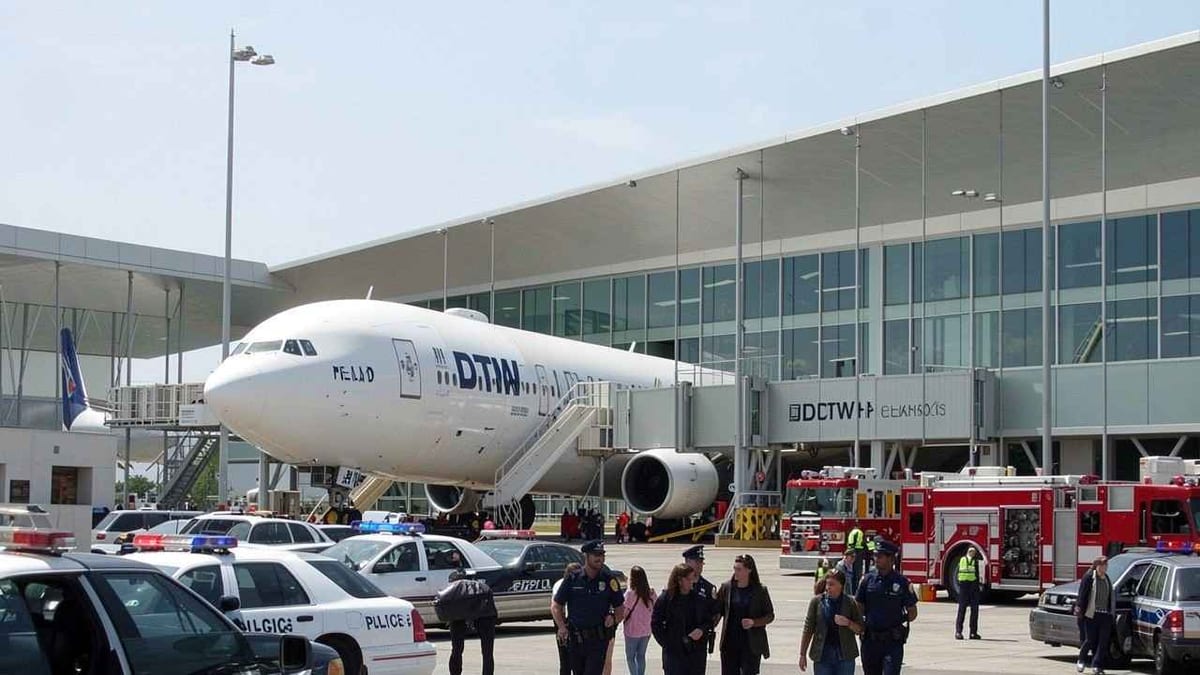
Transatlantic Flight Breaks Off Route Over Passenger Disturbance
Publicly available flight-tracking information shows that United’s Milan–Newark service, operated by a Boeing 777-200, departed Milan Malpensa bound for New Jersey before turning toward Bangor, Maine, rather than continuing across the North Atlantic to Newark. The diversion followed what has been described in initial reports as an unruly-passenger incident in the cabin.
Federal aviation incident summaries released in recent days describe a United Airlines flight from Milan to Newark that landed safely at Bangor International Airport after the crew reported a passenger disturbance on board. The incident was classified as a passenger-related event, rather than a technical or weather-related emergency, and the widebody aircraft remained airworthy.
Tracking platforms list United’s Milan–Newark route as typically operated by a Boeing 777-200 or 777-200ER, a long-haul twin-aisle jet commonly used on transatlantic services to the airline’s Newark hub. On the day of the diversion, flight data show the aircraft cruising westbound over the North Atlantic before descending and routing to Bangor instead of toward the New York metropolitan area.
There were no immediate indications of injuries linked to the disturbance, and public flight records indicate that the aircraft landed without further reported incident. Passengers were ultimately brought back to the terminal in Maine while the situation on board was resolved on the ground.
Why Bangor, Maine Is a Frequent Diversion Point
Bangor International Airport in Maine has long served as a primary diversion airport for transatlantic flights approaching the northeastern United States. The airfield offers a runway of more than two miles in length and relatively uncongested airspace, making it suitable for large widebody jets such as the Boeing 777.
Published information about Bangor International highlights its role as one of the first major U.S. airports for westbound flights arriving from Europe. The facility regularly accepts unscheduled landings for a range of reasons, including fuel stops, medical emergencies, weather diversions, and security or passenger issues. Over the years, this has included multiple diversions involving unruly or disruptive passengers.
Because of this history, Bangor has infrastructure and processes designed to handle unexpected international arrivals. Local airport teams can coordinate with law enforcement and federal agencies when a passenger must be removed, while airlines can work on rebooking affected travelers or arranging onward flights to their original destinations.
In the case of the Milan–Newark diversion, choosing Bangor allowed the crew to shorten the crossing and reach a suitable airport relatively quickly, rather than continuing toward the crowded New York airspace with an ongoing disturbance in the cabin.
Growing Attention on Unruly Passenger Incidents
The diversion of the United flight from Milan to Newark adds to a broader pattern of disruptive-passenger cases affecting commercial aviation globally. Aviation safety databases and media coverage over the past several years document a rise in incidents where crews must intervene, restrain individuals, or divert to alternative airports to ensure the safety of passengers and crew.
Regulators in the United States have repeatedly emphasized that interference with flight attendants or crew members can lead to significant legal and financial consequences. Federal rules allow for substantial civil penalties, and in more serious cases, criminal charges and court-ordered restitution for costs associated with diversions, delays, and operational disruptions.
High-profile episodes have included diversions of transatlantic flights to Bangor due to intoxicated or combative passengers, as well as domestic flights forced to land early when travelers attempted to open aircraft doors or physically confronted crew members. Industry observers note that, while such events are rare compared with the total number of flights operated, they can have outsized impact on flight operations and passenger confidence.
Airlines have responded with more explicit warnings in preflight announcements and on booking channels, reminding travelers that abusive or threatening behavior can lead to mandatory disembarkation, permanent bans from specific carriers, and referral to law-enforcement agencies.
Impact on Passengers and Operations
For passengers on the diverted Milan–Newark flight, the unscheduled landing in Maine likely meant missing onward connections from Newark, an important transatlantic hub for United Airlines. Disruptions of this kind can cascade through airline networks, affecting not only those on the original flight but also travelers waiting for the inbound aircraft to operate later legs.
While specific reaccommodation details for the Milan–Newark travelers have not been publicly detailed, standard airline practice in similar diversions involves bringing passengers off the aircraft, assessing their ability to continue, and rebooking them on subsequent services once the situation prompting the diversion has been resolved.
Operationally, a diversion of a widebody aircraft brings additional costs for fuel, ground handling, crew time, and potential maintenance checks before the jet is cleared to resume service. Industry analyses of past events suggest that a single diversion can cost tens of thousands of dollars or more, depending on distance, aircraft type, and the length of the delay.
Despite these challenges, incident records and safety assessments emphasize that diversion decisions are made with onboard safety as the overriding priority. Once a disturbance crosses certain thresholds, rerouting to the nearest suitable airport is considered a standard and appropriate response, even when it significantly disrupts schedules.
What Travelers Should Know About Onboard Conduct
The Milan–Newark diversion underscores the strict expectations placed on passenger conduct during flight. Airline conditions of carriage and federal regulations require travelers to follow crew instructions, remain seated and buckled when directed, and refrain from behavior that could be construed as threatening, abusive, or disruptive to the safe operation of the aircraft.
Recent federal enforcement data show that passengers found to have interfered with crew members or endangered others on board can face fines in the tens of thousands of dollars, as well as potential bans from the airline involved. In some documented cases, courts have ordered individuals to reimburse airlines for the cost of diverting aircraft, including expenses related to fuel, landing fees, and passenger care.
Travelers are also reminded that alcohol consumed in flight must be served by cabin crew, and bringing or consuming personal alcohol on board is generally prohibited. Several documented unruly-passenger cases have involved intoxication, prompting calls from some industry groups for tighter controls on preflight drinking and duty-free alcohol consumption.
For most passengers, events like the Milan–Newark diversion remain a distant and unlikely scenario. However, the incident highlights how a single person’s actions in the cabin can alter the course of a long-haul flight, affecting hundreds of fellow travelers and prompting significant operational responses across the aviation system.
Federal Aviation Administration – recent aviation incident summaries
FlightStats – United Airlines Milan–Newark flight details
Wikipedia – Bangor International Airport overview
Airlive – Previous United diversion to Bangor after unruly passenger