


More news on this day
A Delta Air Lines flight from Los Angeles to Salt Lake City made a rapid emergency descent to 9,000 feet and diverted to Las Vegas after a reported loss of cabin pressurization triggered the deployment of oxygen masks on board, according to multiple aviation trackers and media reports.
Get the latest news straight to your inbox!
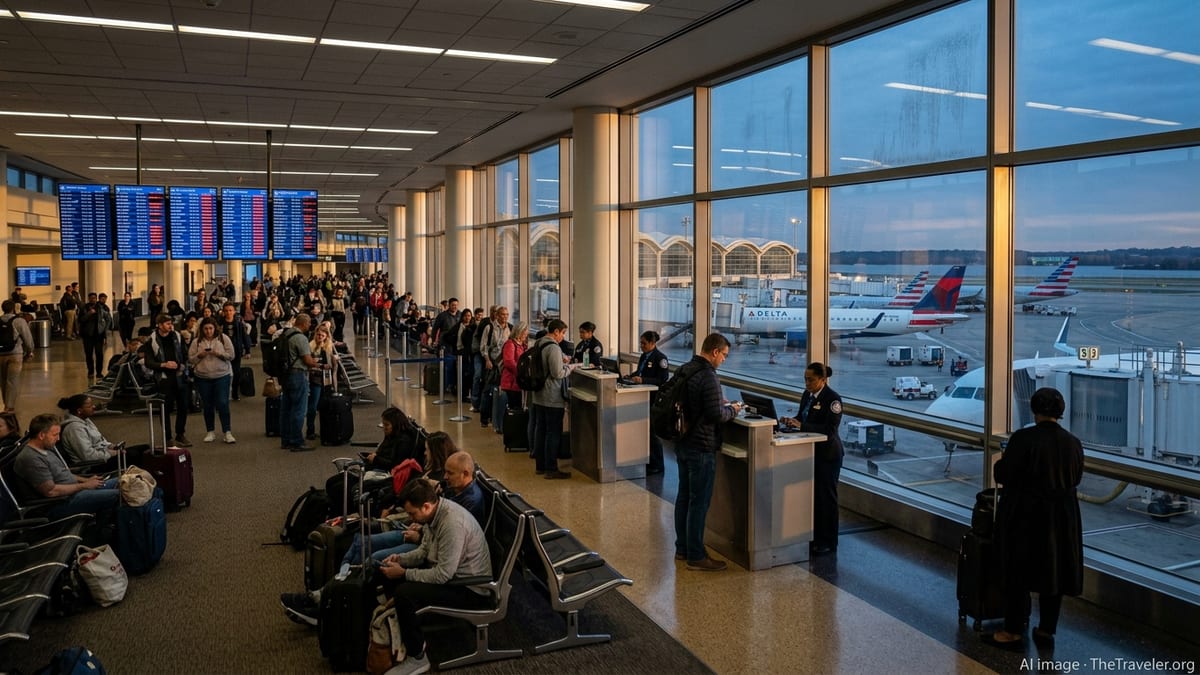
Delta Flight 2311 Diverts After Oxygen Masks Deploy
Publicly available flight data and specialist aviation coverage indicate that the incident involved Delta flight 2311, a Boeing 737-900ER operating a scheduled service from Los Angeles International Airport to Salt Lake City on Sunday, September 6, 2026. The aircraft was cruising over the Mojave Desert at around 35,000 feet when a pressurization problem was reported, prompting the crew to initiate a rapid descent.
Reports describe oxygen masks dropping in the cabin as the aircraft descended to 9,000 feet, a level where passengers and crew can safely breathe without supplemental oxygen. The crew then diverted the flight to Las Vegas Harry Reid International Airport rather than continuing to Salt Lake City, a routing choice that aligns with common airline procedures to land as soon as practical after a suspected loss of pressurization.
Tracking data published by aviation monitoring sites shows a steep but controlled descent profile, consistent with a textbook emergency descent designed to bring the aircraft quickly into denser air while remaining within structural and speed limits for the Boeing 737-900ER type. The aircraft landed safely in Las Vegas, where passengers disembarked and were rebooked on alternative services.
According to publicly available information, no serious injuries have been reported in connection with the event, although some accounts from passengers describe a stressful experience in the cabin during the descent and diversion.
What Is Known About the Suspected Pressurization Failure
Detailed technical findings have not yet been published, but early coverage from aviation outlets characterizes the event as a cabin pressurization failure shortly before the start of descent toward Salt Lake City. Cabin pressurization systems on modern narrowbody jets like the 737-900ER are designed with multiple safeguards, but a range of component faults can still require crews to respond quickly.
In this case, reports suggest that the aircraft experienced a rapid enough change in cabin pressure to trigger automatic deployment of oxygen masks above passenger seats. When cabin altitude rises beyond a predefined threshold, the system is designed to release masks without crew intervention so that passengers have immediate access to supplemental oxygen.
Once masks deploy and a pressure loss is suspected, standard operating procedures call for an emergency descent to a safe altitude, use of flight deck oxygen by pilots, and a diversion to the nearest suitable airport. The decision to target 9,000 feet is consistent with regulatory guidance that emphasizes descending below 10,000 feet as quickly as practical to minimize the risk of hypoxia for those on board during any pressurization anomaly.
Regulators routinely examine such incidents to determine whether the problem stemmed from component failure, maintenance issues, or a one off technical fault. At this stage, no official cause has been released and the aircraft involved has not been publicly identified beyond its model and airline service.
Emergency Descents and Passenger Safety
Abrupt descents and the sudden drop of oxygen masks can be alarming for travelers, but aviation safety material and past investigation reports highlight that these procedures are designed to protect passengers rather than indicate an imminent loss of control. In similar events documented by safety agencies, flight crews carry out a high rate descent under strict speed and altitude limits, maintaining full control of the aircraft throughout.
According to educational material from air safety organizations, the primary objective in any pressurization event is to reduce cabin altitude by quickly bringing the aircraft lower in the atmosphere, not necessarily to reach the nearest airport immediately. Once the jet levels off at a safe altitude, crews typically assess system status, coordinate with dispatch, and then choose a diversion field that offers weather, runway length, and maintenance support.
While individual experiences can vary, studies of comparable incidents show that serious injuries from depressurization events are rare, particularly when the fuselage remains intact and the descent is promptly initiated. Discomfort, ear pain, and anxiety among passengers are more common outcomes, and cabin crews are trained to assist travelers both during and after the event.
Major carriers regularly emphasize that such non routine diversions, although highly disruptive, are a key part of a safety first approach in which any uncertainty about pressurization or structural integrity leads to an immediate change of plan.
Context: A Spotlight on Cabin Pressurization Incidents
The Delta diversion over the Mojave Desert comes at a time when cabin pressurization incidents have attracted heightened public attention, in part because of widely shared accounts on social media and high profile coverage of similar events on other carriers. Recent years have seen several flights in North America make emergency descents to around 10,000 feet after warning systems signaled pressure anomalies, sometimes accompanied by passenger reports of ear and sinus pain.
Industry experts note that while these incidents are taken seriously and are investigated individually, they remain rare relative to the millions of commercial flights that operate each year without pressurization problems. Regulatory bodies in the United States and abroad publish guidance and technical reviews aimed at improving system reliability, maintenance oversight, and crew training for emergency descent procedures.
Historical case reports from air safety agencies also stress the importance of rapid use of supplemental oxygen by flight crews, prompt descent when a pressure loss is suspected, and clear cockpit communication. These lessons have been incorporated into training programs and quick reference handbooks, shaping the response on modern jets like the 737-900ER.
For travelers, the incident illustrates both the disruptive impact of a pressurization failure and the layered protections built into commercial aviation, from automated oxygen deployment to rehearsed emergency descent profiles and conservative diversion decisions when any doubt arises about aircraft systems.
Impact on Delta Operations and Next Steps
Following events of this kind, it is common practice for airlines to remove the affected aircraft from service for detailed inspections before returning it to regular operations. Maintenance specialists typically review pressurization system components, data logs, and any fault messages recorded during the flight to pinpoint the cause and ensure that corrective actions are documented.
Delta has experienced other isolated pressurization related diversions in recent years, including a 2024 incident in which a Boeing 737-900 returned to Salt Lake City after reports of cabin pressure problems on a flight to Portland. Publicly available information from that case indicates that the aircraft was inspected and placed back into service after maintenance addressed the underlying issue, illustrating the standard workflow that usually follows such events.
In the current case, regulatory authorities are expected to review information from the flight crew, airline maintenance teams, and aircraft data systems. Depending on the findings, the outcome may range from a straightforward component replacement to broader recommendations concerning inspection intervals or system monitoring.
Travelers booked on subsequent services with the airline are unlikely to notice any network wide impact from the single aircraft diversion beyond the immediate rebooking and potential baggage delays for those on the affected flight. However, the event is likely to feed into ongoing public discussion about aircraft maintenance, system redundancies, and how rare but dramatic emergencies are handled in the modern airline environment.
Detailed report on the Delta 2311 diversion