


More news on this day
Severe flooding across Upper Assam has inundated railway tracks on key corridors passing through Lumding, suspending multiple trains and leaving hundreds of passengers stranded at the junction that serves as a vital gateway to India’s northeast.
Get the latest news straight to your inbox!
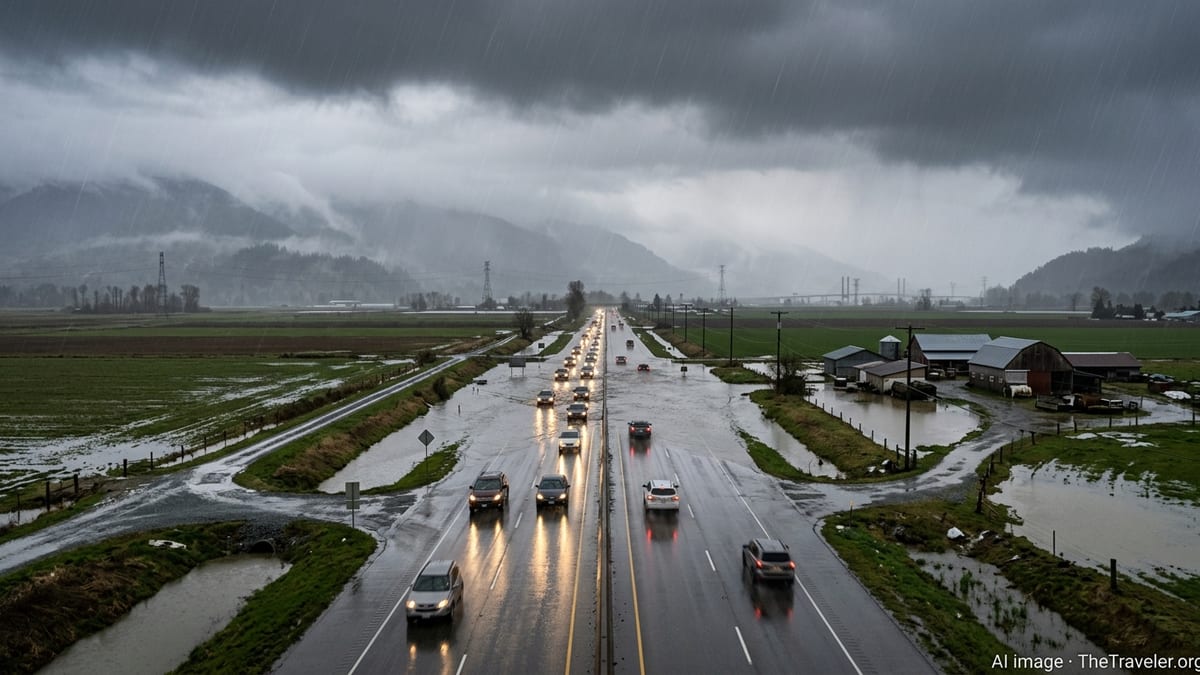
Floods Sever Crucial Rail Lifeline Through Lumding
Current coverage of the Assam deluge indicates that incessant heavy rain has triggered fresh flooding across several Upper Assam districts, with rising waters spilling into railway yards, embankments and low-lying stretches of track. Reports from state agencies and national media describe a rapidly evolving situation, with new areas going under water on 20 July and adjoining days as rivers and tributaries swell.
According to publicly available information from regional broadcasters and national dailies, railway authorities have halted movement on vulnerable sections connecting Upper Assam with the rest of the state after waterlogged tracks and nearby landslip-prone slopes were deemed unsafe. Diversions and cancellations have rippled across the network, compounding delays and creating pockets of stranded travelers at major junctions.
Within this network, Lumding in central Assam is emerging as one of the most affected nodes. The busy junction, which links Upper Assam with the hill section towards Dima Hasao and on to southern Assam, Tripura, Mizoram and Manipur, is grappling with back-to-back train disruptions just as the monsoon intensifies.
Published coverage notes that the wider flood emergency now spans hundreds of inundated villages and has displaced tens of thousands of residents, stretching local resources and complicating efforts to restore long-distance connectivity by rail.
Hundreds Stranded at Lumding Junction
Travel reports and regional news updates describe chaotic scenes at Lumding Junction, where passengers on long-distance trains have been forced to disembark or wait on idling coaches as flood-hit sections ahead are closed. With through services suspended or short-terminated, Lumding has turned into a holding point for travelers bound for Upper Assam, the Barak Valley and neighboring states.
Accounts in local media indicate that several trains were either cancelled outright or partially cancelled on the affected corridors, leaving hundreds of people marooned at stations along the Lumding division. Stranded passengers include migrant workers heading home, students returning to campuses, and tourists aiming for hill destinations and wildlife reserves across the northeast.
Railway statements cited by national outlets emphasize that safety concerns on submerged and unstable track segments have taken precedence, even as operational teams attempt to manage crowding at Lumding and nearby stops. Announcements about last-minute diversions and truncated journeys have added to the uncertainty for travelers who face missed connections and overnight delays.
Images circulating in Assamese-language media show crowded platforms, families camped out with luggage, and queues at food stalls and ticket counters as passengers wait for clearer information on when services might resume through the flood-affected sections.
Tourism and Regional Mobility Disrupted
The disruption at Lumding is being felt well beyond Assam, given the junction’s role as a funnel for trains to the wider northeast. Routes through the Lumding division serve tourists heading for Kaziranga National Park, Majuli’s river island homestays, the tea estates of Upper Assam and the hill landscapes of Dima Hasao and further into Tripura and Mizoram.
Travel planners note that in recent years, this corridor has become a preferred option for domestic visitors seeking rail-based itineraries that combine Guwahati with more remote districts. With monsoon floods severing or constraining these lines, many itineraries have been thrown into disarray at the height of the rainy season, when lush landscapes typically attract photographers and nature travelers despite the weather risk.
According to published coverage on the current floods, airlines and bus operators are seeing a spike in demand as passengers seek alternatives to suspended trains. However, poor road conditions, landslide-prone hill sections and rising river levels are limiting overland options, particularly toward southern Assam and adjoining states that depend on the Lumding–Badarpur hill section for reliable access.
Industry observers tracking tourism in the northeast warn that recurring monsoon disruptions along the Lumding-linked network highlight the vulnerability of the region’s travel economy to extreme weather, especially in states where rail represents the most practical mode of long-distance transport.
Railway Response and Ongoing Challenges
Information shared in official advisories and media reports suggests that the Northeast Frontier Railway has moved to cancel, partially cancel or short-terminate a series of passenger and express services crossing the affected Upper Assam and Lumding sectors. Operational teams are reportedly monitoring embankments, bridge approaches and cuttings for signs of erosion or instability as floodwaters continue to rise.
Public statements quoted in national coverage indicate that where possible, trains are being diverted over safer routes, although infrastructure limitations in the northeast leave few true alternatives when the Lumding-linked spine is compromised. Priority has been placed on ensuring supplies of drinking water and basic food for stranded passengers at key stations, including Lumding and other junctions in the division.
Rail engineers are contending with a combination of waterlogging and slope failures that has plagued the Lumding–Badarpur hill section during past monsoon seasons. Archival government documents and disaster management records show that previous flood and landslide events in this corridor have washed away stretches of track and repeatedly snapped links to Barak Valley districts and neighboring states, prompting extensive restoration work.
While the immediate focus remains on passenger safety and short-term evacuation or accommodation, rail planners and disaster-management experts are again debating the need for more resilient designs in vulnerable cuttings and embankments, along with improved drainage and slope protection around Lumding’s approaches.
Travel Advice for Passengers Heading to Upper Assam
For travelers with imminent plans to transit Lumding or journey onward into Upper Assam and the hill districts, current reporting underscores the importance of checking real-time train status before departure. With water levels still fluctuating on 20 July and track conditions under continuous review, schedules that appear confirmed can change at short notice.
Travel advisories carried by Indian media recommend that passengers remain prepared for prolonged delays, last-minute diversions or enforced overnight halts at junctions such as Lumding. Flexible itineraries, additional buffer time for onward connections and contingency budgets for hotel stays or alternate transport are strongly advisable in the present conditions.
Tourists planning multi-stop tours through Assam and neighboring states may wish to prioritize sectors that remain on relatively stable ground and consider postponing trips into the most flood-affected districts until clearer assessments of rail and road damage are available. Travel agents based in Guwahati and other regional hubs are adjusting packages in response to the ongoing disruption and monitoring updates from railway and disaster-management channels.
As the monsoon progresses, analysts following transport resilience in the northeast note that this latest crisis around Lumding reinforces a familiar pattern in which floods not only upend local life but also cut off key travel lifelines. For visitors and residents alike, staying informed and preparing for sudden changes remains essential when planning journeys through Upper Assam at this time of year.