


More news on this day
UK holidaymakers planning an Amsterdam city break by Eurostar are being urged to reassess their trips as a combination of infrastructure works, capacity constraints and recurring disruption continues to hit the direct rail link between London and the Dutch capital.
Get the latest news straight to your inbox!
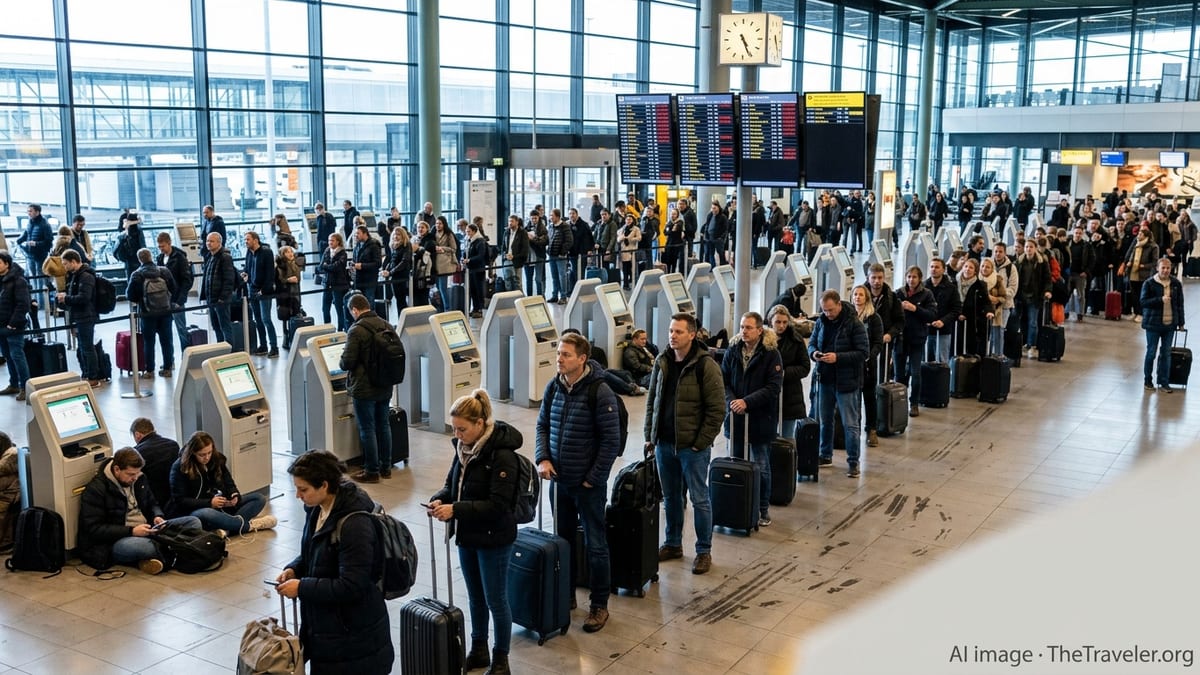
Direct Amsterdam link only recently restored and still fragile
The direct Eurostar service between London St Pancras and Amsterdam Centraal has only recently returned in full after a prolonged suspension linked to major renovation works at Amsterdam’s main station. Industry notices and rail sector coverage indicate that direct trains were paused for much of 2024 while platforms and border-control facilities were rebuilt, with passengers forced to change in Brussels.
Rail business reports show that Eurostar has resumed direct Amsterdam to London services in stages during 2025, increasing frequency and capacity as a new terminal area at Amsterdam Centraal has come online. However, the timetable remains tightly constrained by ongoing construction and limited space for security and passport checks, leaving little flexibility when incidents occur.
Technical documents submitted to UK regulators outline Eurostar’s long term intention to grow the Amsterdam route, but they also confirm that capacity is being ramped up gradually, with passenger numbers from the Dutch capital still below the operator’s eventual target. For travellers, this means fewer seats, busier peak departures and a network that can quickly become overloaded when unforeseen problems arise.
Publicly available background on Eurostar’s recent operations highlights that the Amsterdam corridor has become one of its most popular leisure routes. This popularity, combined with tight platform slots and border-control limits, makes the route particularly vulnerable to knock on effects when any part of the cross Channel network is disrupted.
Recent disruptions show how quickly Amsterdam plans can collapse
Events over the past 18 months provide a stark warning for UK tourists treating a London to Amsterdam Eurostar as a guaranteed, flight free alternative. News coverage from late 2025 described a major power failure in the Channel Tunnel that led Eurostar to cancel all services between London, Paris, Brussels and Amsterdam for much of a key holiday period, leaving thousands of passengers stranded and advised not to travel.
Separate incidents, including the discovery of an unexploded Second World War bomb near Paris Gare du Nord and serious overhead line problems, have also triggered days of severe disruption, with reports of passengers facing delays of many hours and last minute cancellations on trains serving Amsterdam. In several cases, travellers were told to postpone journeys or seek refunds rather than attempt to reach stations in the hope of a departure.
More recently, social media and passenger forums have highlighted repeated cancellations of individual Amsterdam services, sometimes because of infrastructure problems near Rotterdam or incidents elsewhere on the network. In some situations, the Dutch leg of a supposedly direct service has been cancelled altogether, forcing passengers to make their own way to Brussels to join an onward Eurostar to London.
These episodes underline how a single failure on the high speed line, or an incident far from the Netherlands, can instantly unravel carefully planned itineraries. With direct Amsterdam capacity still limited, replacement options can quickly sell out, leaving holidaymakers facing unexpected overnight stays, extra expenses and missed connections.
Why experts urge flexibility or a rethink of Amsterdam rail breaks
Travel commentators reviewing recent disruption patterns argue that Eurostar’s Amsterdam route currently offers less resilience than the core London Paris corridor. When services are thinned out or suspended, there are fewer alternative departure times and less ability to rebook large numbers of passengers on the same day.
Consumer travel advice circulating after major outages has repeatedly recommended that passengers to or from Amsterdam build in generous buffers, avoid tight onward connections and consider flexible accommodation bookings that can be amended without high penalties. For travellers with fixed cruise departures, weddings or non refundable hotel packages, the risk of relying on a single, capacity constrained rail link is considered significantly higher.
Publicly available disruption notices also show that, when problems hit, Eurostar often prioritises getting passengers home over discretionary leisure trips. This can mean that outbound holidaymakers see their services cancelled while limited seats are reserved for travellers returning to the UK, intensifying the impact on short city breaks.
In this context, some travel industry observers now suggest that UK holidaymakers treat Amsterdam by Eurostar as a trip that requires contingency planning. For those unwilling or unable to absorb the risk of last minute cancellations or lengthy diversions via Brussels, the safest option may be to postpone or rebook using more flexible arrangements.
What UK tourists can realistically expect this summer
Despite some alarming headlines, publicly available timetables confirm that Eurostar is still running multiple daily services connecting London with Amsterdam, including a mix of direct trains and journeys requiring a change in Brussels. There is no blanket shutdown of the route, and many passengers continue to complete their journeys without significant issues.
However, the pattern of repeated technical failures, infrastructure incidents and residual construction work means that short notice changes remain a real possibility throughout the peak holiday season. Travellers report that cancellations can appear in booking apps with little warning, and that alternative trains may already be heavily booked by the time affected customers attempt to rebook.
Given this backdrop, UK tourists heading for Amsterdam are being advised by travel rights organisations and consumer media to monitor their bookings closely, keep receipts for any additional costs and ensure they understand the compensation and rebooking rules that apply to their tickets. Passengers who booked through third party platforms may face extra steps and longer processing times when claiming refunds.
For some holidaymakers, particularly families with children or travellers on tight schedules, the cumulative risk of disruption may now be high enough to justify cancelling or rearranging Amsterdam plans before departure. Others may choose to proceed while building in additional time and budgeting for possible overnight stops or rerouting.
Know your rights if your Amsterdam Eurostar is cancelled
Recent reporting by European media outlets has set out the basic protections available to Eurostar passengers when services between London and Amsterdam are delayed or cancelled. Under rail passenger rights rules, travellers are generally entitled to a choice between a refund and re routing if their train does not run, with additional compensation sometimes payable depending on the length of the delay.
Eurostar’s own published disruption guidance confirms that, in the event of significant disruption, affected customers are usually offered free exchanges to a later date, travel vouchers or full refunds. During large scale incidents in 2025, the operator invited passengers who could postpone their trips to do so, in order to ease pressure on limited capacity.
Consumer advocates point out that accommodation, local transport and missed event costs are not automatically reimbursed, and often depend on individual travel insurance policies. As a result, holidaymakers are being encouraged to read policy terms carefully and to gather documentation, such as cancellation emails and station announcements, when seeking to recover out of pocket expenses.
With Eurostar’s Amsterdam operations still in a period of adjustment and the wider network subject to occasional large scale failures, UK tourists are being urged to treat official travel updates as essential pre departure reading rather than a formality. For those who cannot afford to be stranded or to lose the value of tightly packed itineraries, the most prudent move may be to cancel or defer Amsterdam rail holidays until the route demonstrates a more stable record of performance.