


More news on this day
Uruguay’s national team has arrived in Miami after a last minute paperwork problem in Mexico delayed its charter flight and briefly raised concerns about the squad’s timely appearance at the 2026 World Cup in the United States.
Get the latest news straight to your inbox!
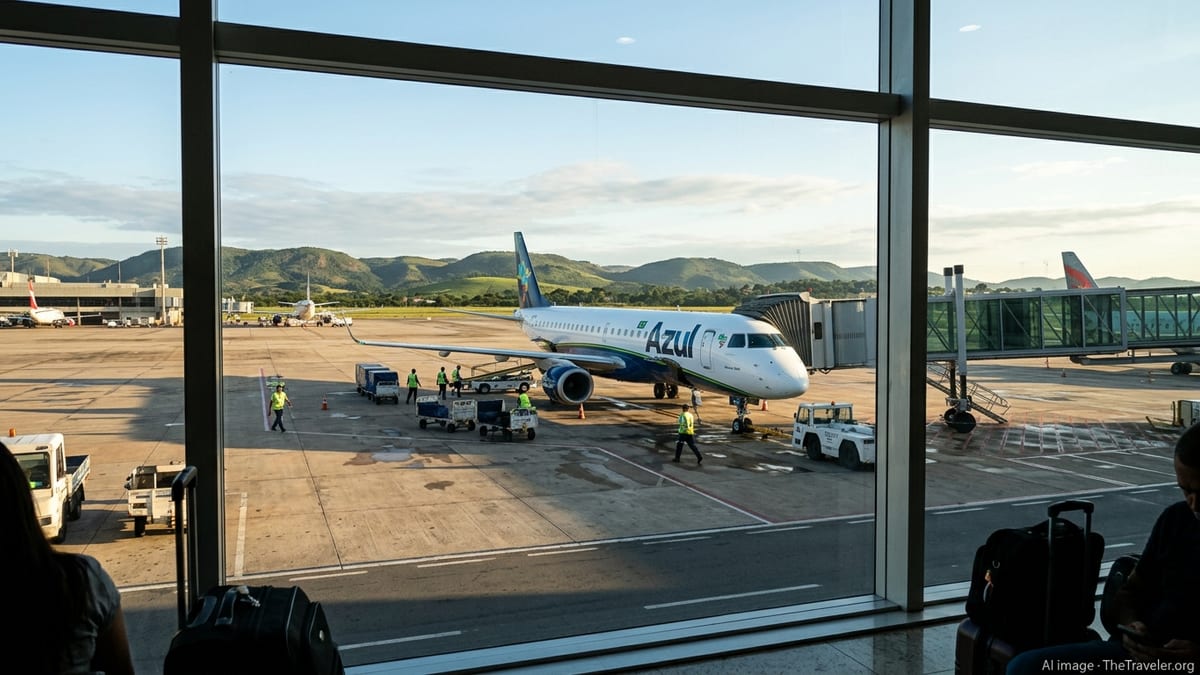
Paperwork snag in Mexico disrupts Uruguay’s travel plans
The South American team had been scheduled to fly from Cancún to Miami on Saturday, June 14, ahead of its Group H opener against Saudi Arabia. Plans were abruptly altered when the charter aircraft could not depart as expected because required permits for entering United States airspace were not in order. Reports indicate that the documentation issue centered on authorizations the airline needed before operating the international leg of the trip.
Publicly available information shows that the aircraft initially assigned to carry the squad did not meet the regulatory conditions necessary to land in the United States. As a result, the departure was pushed back while organizers and travel coordinators worked to secure a compliant solution. Passengers, including players and staff, remained in Mexico significantly longer than planned.
Coverage in Latin American and European outlets describes the hold up as an administrative or permitting error rather than a safety concern. The episode nevertheless drew attention because it came less than 48 hours before Uruguay’s opening match and because it involved a team regarded as a traditional World Cup contender.
Rebooked charter gets team into Miami before tournament deadline
After several hours of uncertainty, a replacement charter service was arranged and the team departed for South Florida later on Saturday. Reports from sports media in North America and Europe indicate that the new flight reached Miami in the early evening local time, leaving the delegation within a key tournament deadline for arrival in the host city.
According to published coverage, competition regulations require teams to be present in the match city at least 24 hours before kickoff. For Uruguay, that meant arriving in Miami by early Sunday evening for a Monday night match against Saudi Arabia. The revised flight reportedly landed with a modest buffer to spare, avoiding any need to adjust the fixture schedule.
The delay did have knock on effects for the team’s itinerary. Media sessions and light training scheduled for Saturday and early Sunday were either compressed or shifted, as staff prioritized rest and recovery after the extended wait in Cancún and the eventual flight into South Florida.
World Cup spotlight turns to logistics and tournament readiness
The incident has added another talking point to an already closely scrutinized World Cup, the first to be staged across the United States, Canada and Mexico. With teams dispersed across multiple time zones and border crossings, the logistical complexity of the event has been a recurring theme in the buildup.
In this case, the issue appeared to stem from the coordination between the airline operating the charter and organizers responsible for ensuring that all cross border documentation was processed in advance. Commentators in aviation forums and sports media have highlighted the situation as a reminder of how even seemingly routine administrative checks can become critical when high profile events and tight deadlines are involved.
The episode also underscores how modern tournaments rely on finely tuned travel schedules. Teams often arrange short flights and minimal transfers to reduce fatigue. A delay of several hours within such a structure can disrupt not only physical preparation but also video analysis, media obligations and recovery protocols that are carefully planned around match days.
Impact on Uruguay’s preparation ahead of Saudi Arabia clash
On the sporting side, analysts are now weighing whether the disruption will have any tangible effect when Uruguay faces Saudi Arabia in Miami. The two time world champions enter the tournament with high expectations and a demanding group stage schedule that includes fixtures in both the United States and Mexico.
Coaching staff typically design a detailed match eve program, including tactical meetings, set piece rehearsals and short training sessions in the stadium. With the late arrival, some of those elements may have been shortened or moved behind closed doors at the team hotel. Reports from Uruguay’s training base earlier in the week had described a relaxed, confident squad, and there is no indication so far that the travel issue has altered that mood.
Sports commentators suggest that experienced players in the squad are accustomed to unexpected setbacks and may treat the delay as a minor inconvenience rather than a major hurdle. However, with the group stage compressed into a narrow time frame, any additional fatigue or lost preparation time could become more noticeable as the tournament progresses.
Fans and organizers look beyond the scare as tournament continues
For supporters traveling to Miami and those following from Uruguay, confirmation that the team landed in time for its opening match brought a measure of relief. Social media reaction shifted from initial concern and frustration over the bureaucratic setback to humor and optimism once images of the team’s arrival in Florida began to circulate.
Organizers, meanwhile, will likely review the episode as they continue to refine logistics for the remainder of the World Cup. With other teams still due to move between host cities across three countries, the Uruguay case may serve as a prompt to double check flight permits and authorizations before additional charter operations take place.
As the focus turns back to the pitch, the paperwork drama surrounding Uruguay’s trip to Miami stands as an off field subplot in a tournament already rich with storylines. Whether it becomes a mere footnote or an early sign of the challenges posed by this expanded, multi nation World Cup will depend on how smoothly the rest of the travel calendar unfolds.