


More news on this day
US embassies across the Middle East have issued heightened security alerts urging American citizens to prepare to depart the region as tensions with Iran raise the risk of sudden escalation, travel disruption and targeted attacks.
Get the latest news straight to your inbox!
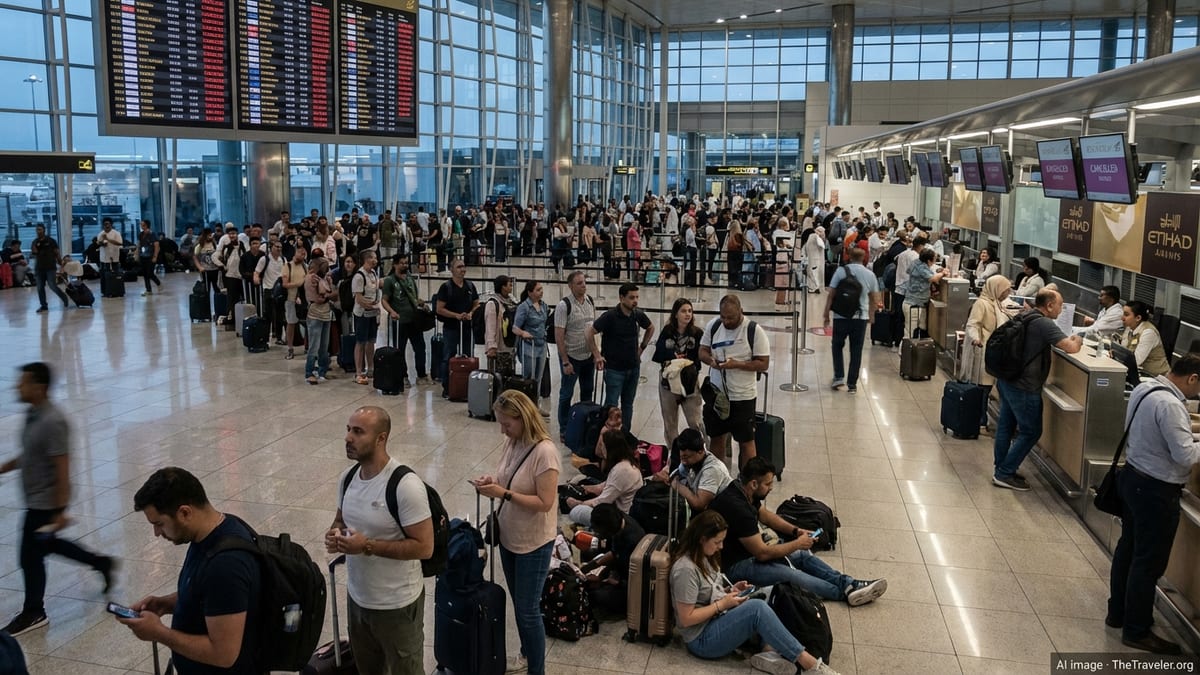
Coordinated Alerts Across a Dozen Key Destinations
Recent security messages circulated by US missions across the Middle East advise Americans to exercise increased caution, maintain a high level of situational awareness and be ready to leave on short notice if conditions deteriorate. Coverage in major international outlets indicates that embassies and consulates in Bahrain, Iraq, Israel, Jordan, Kuwait, Lebanon, Oman, Qatar, Saudi Arabia and the United Arab Emirates have amplified the warning language in lockstep, underscoring concerns about the volatility of the current standoff with Iran.
The alerts reference the possibility of flight cancellations, temporary airspace closures and other sudden barriers to movement should the security environment worsen. Publicly available information from regional risk advisories shows that several posts have already curtailed nonessential activities, with some limiting public consular services or reducing staffing in response to earlier strikes and threats linked to the conflict.
Although the alerts stop short of ordering private citizens to leave, they represent one of the clearest signals yet that American travelers and residents should have practical departure plans in place. Analysts note that the language goes beyond routine caution, reflecting concern that any renewed exchange of attacks between the United States, its partners and Iran could quickly spill across borders.
Iran Standoff Fuels Fears of Rapid Escalation
The latest embassy messages follow months of heightened tension across the region, marked by tit-for-tat strikes, cyber operations and warnings about critical energy and infrastructure targets. According to widely cited reporting, contingency planning has focused on the risk that a sudden breakdown in talks with Tehran or a new attack attributed to Iran or its allies could trigger rapid military action and retaliatory blows.
International coverage describes how officials and experts increasingly view US diplomatic compounds, transport hubs and heavily frequented commercial districts as potential flashpoints during any escalation. In previous cycles of confrontation, embassies and consulates in the Middle East have faced protests, indirect fire and attempted attacks, prompting the State Department to lean on early, broad warnings as a core risk-reduction tool.
Security analysts quoted in open-source reporting emphasize that even a short series of strikes could disrupt travel patterns far beyond immediate conflict zones. Airspace closures, rerouted commercial flights and temporary suspensions of cross-border traffic are all recurring features of crises involving Iran, and the current alerts appear designed to encourage Americans to factor those possibilities into near-term plans.
What the Alerts Mean for American Travelers and Expats
For US citizens currently in the Gulf, Levant or neighboring areas, the coordinated messaging has immediate practical implications. Travel advisories and embassy alerts urge Americans to review their personal security postures, verify that passports and residency documents are valid, and confirm that they have access to funds, communication tools and transportation should they need to depart quickly.
Public guidance from previous regional crises suggests that individuals should map out multiple exit routes, including alternative airports or overland crossings if primary options close. Airlines serving major hubs such as Dubai, Doha, Riyadh and Tel Aviv have, during earlier flare-ups, adjusted schedules or temporarily halted certain routes at short notice, leaving travelers with limited options and higher fares.
Longer-term residents, including business travelers, students and aid workers, are being encouraged by risk consultancies and corporate security teams to conduct scenario planning. This often includes identifying safe shelter locations within host cities, arranging backup accommodation in lower-risk areas and establishing check-in procedures with employers and family members abroad.
Embassy Operations Tighten as Consular Capacity Strains
The alerts arrive as several US diplomatic posts in the region already operate under constrained conditions. Public documents from government oversight bodies and policy research organizations show a pattern in which embassies reduce nonemergency services, authorize the voluntary departure of some staff and families, and prepare contingency plans for possible ordered departures when threat levels climb.
In some Middle Eastern capitals, earlier in the year, nonessential US government personnel were authorized or directed to leave due to a combination of missile and drone threats, unrest in surrounding neighborhoods and concerns about potential attacks on diplomatic facilities. These steps have knock-on effects for private citizens, as smaller on-the-ground teams may have less capacity to provide routine consular support during a fast-moving crisis.
Travel risk firms and immigration advisers note that widespread visa-appointment cancellations and limited public hours at consulates can complicate plans for travelers seeking new permits, renewals or emergency documentation. The current alerts reiterate that Americans should not rely on last-minute consular interventions to facilitate departures once commercial options become scarce or borders tighten.
Planning Ahead: Practical Steps for Those in the Region
For travelers and expatriates weighing whether to stay or go, publicly available guidance highlights a few key steps. Registering with the State Department’s traveler enrollment system is routinely recommended, as it enables embassies to reach citizens quickly with security updates and, if necessary, information on chartered or assisted departure options.
Risk advisories also emphasize the importance of maintaining flexible travel arrangements, including refundable tickets where possible, and of monitoring local media as well as official embassy channels for sudden changes to airport operations or border policies. In some past crises, those who reacted early to initial warnings secured seats on outbound flights before demand surged and capacity tightened.
For those who choose to remain in the Middle East, security specialists encourage staying informed about local curfews, protest hotspots and critical infrastructure locations that may be at higher risk during any escalation. Having basic supplies, backup power options and contingency communication plans can help individuals shelter safely if movement is temporarily restricted.
While the trajectory of the current US Iran standoff remains uncertain, the coordinated “prepare to depart” alerts underscore how quickly a diplomatic confrontation can translate into real-world disruptions for travelers. For Americans already in the region or considering upcoming trips, the latest warnings serve as a strong signal to reassess itineraries, review contingency plans and stay closely attuned to evolving developments.