


More news on this day
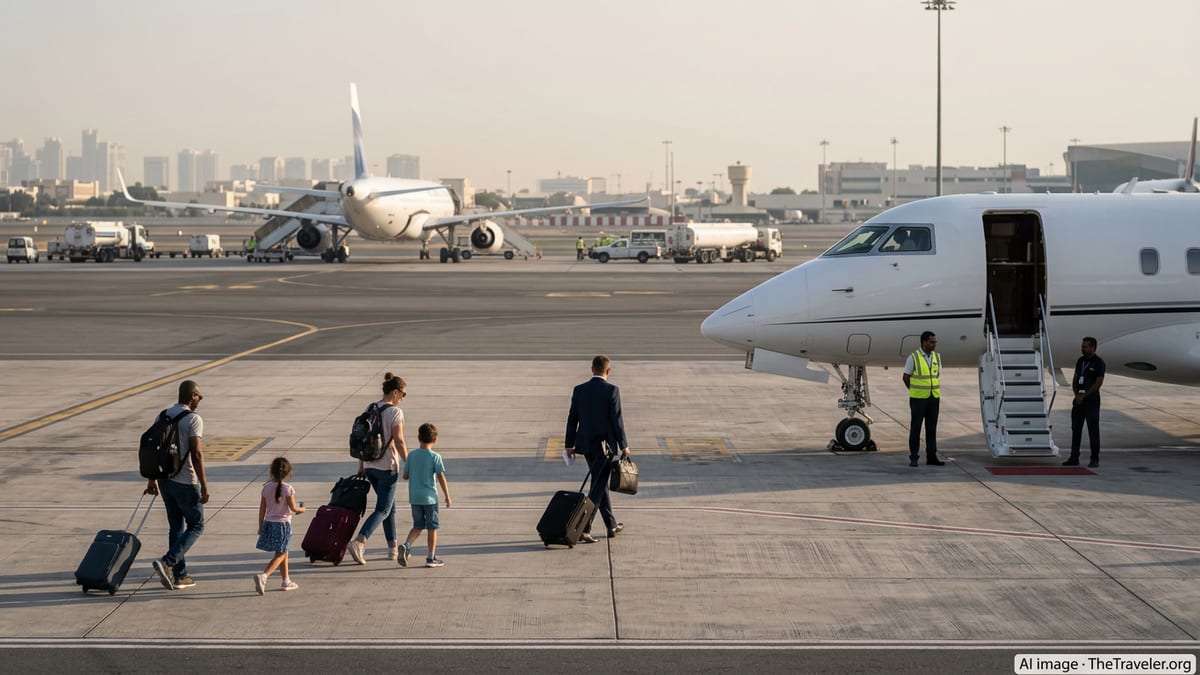
Amid heightened tensions in the Middle East, the United States is urging its citizens across the region to prepare to depart on short notice, warning that sudden escalations could disrupt flights, close airspace and complicate travel through key hubs used by tourists and expatriate residents.
Get the latest news straight to your inbox!
Security Alerts Intensify Across a Volatile Region
The latest security messaging, issued in late July 2026 as part of a worldwide caution, highlights the Middle East as a particular area of concern. Publicly available information from the U.S. State Department notes that the regional security environment remains complex, with a stated potential for unforeseen escalation linked to the ongoing conflict involving Iran and its adversaries.
Embassy notices and regional roundups indicate that missions in Bahrain, Iraq, Israel, Jordan, Kuwait, Lebanon, Oman, Qatar, Saudi Arabia and the United Arab Emirates have amplified the global alert with country specific warnings. These advisories emphasize that Americans in the region should exercise heightened vigilance and be ready to adjust their plans quickly if the situation deteriorates.
Alongside the global alert, several Middle Eastern destinations already carry elevated country level advisories. Public travel advisory pages show multiple locations at Level 3, described as “reconsider travel,” and others at Level 4, “do not travel,” reflecting persistent concerns about armed conflict, terrorism, unrest and the possibility of wrongful detention.
International coverage from outlets such as the Associated Press and the BBC has underlined that the latest wave of guidance follows renewed military activity and warnings of potential strikes on energy and infrastructure targets, adding further uncertainty to a region that is a major crossroads for global air travel.
“Prepare to Depart”: What Washington Is Telling Its Citizens
The phrase “prepare to depart” has emerged repeatedly in recent messaging aimed at U.S. citizens in the Middle East. Publicly accessible security alerts and consular information pages stress that travelers should be ready for a scenario in which commercial options remain available but could shrink rapidly if tensions spike.
Guidance compiled by universities, members of Congress and consular information hubs points to a consistent set of recommendations. Americans in the region are being advised to ensure that passports are valid, keep family and emergency contacts informed of their whereabouts, and identify alternative routes out of the country should their primary transit hub be disrupted.
For Americans living or traveling near military bases, energy infrastructure or other strategic sites, the messages emphasize an elevated risk profile. Past advisories this year have specifically warned citizens in parts of Saudi Arabia and Israel that drone and missile activity could affect nearby areas, and that conditions around border regions and conflict zones may change with little warning.
Although the alerts stop short of ordering private citizens to leave en masse, the tone indicates an expectation that individuals will take responsibility for their own exit plans while commercial flights remain available. The State Department’s general guidance continues to highlight that in a fast moving crisis, government led evacuation options may be limited or unavailable.
Travel Impact: Flight Cancellations and Airspace Closures
For travelers and expatriate communities, perhaps the most immediately tangible element of the new advisory language is the warning about air travel disruption. Recent worldwide caution updates explicitly flag the risk of flight cancellations, periodic airspace closures and broader travel disruptions that could extend beyond the immediate conflict zones.
Regional travel patterns already reflect this uncertainty. Industry reports and consular updates describe intermittent changes to airline schedules, rerouted long haul services that normally cross parts of the Middle East, and temporary restrictions affecting some of the busiest transit hubs used by U.S. travelers heading between North America, Europe, Africa and Asia.
Travel risk analysts note that even a short closure of a key air corridor can cascade across timetables, stranding passengers and complicating onward connections. In the current environment, a sudden escalation involving Iran, Israel or Gulf states could prompt additional carriers to suspend services or shift routes away from perceived danger zones.
For tourism businesses within the region, including popular urban destinations and resort areas far from front lines, the advisory climate adds another layer of unpredictability. While many areas remain calm on the ground, reports indicate that hotel operators and tour providers are bracing for last minute cancellations and booking hesitancy as travelers weigh safety against long anticipated trips.
Practical Steps for Americans Already in the Middle East
For U.S. citizens currently in the Middle East, official guidance and expert commentary converge around a set of practical steps. Travelers are being encouraged to enroll in the Smart Traveler Enrollment Program so that they receive security alerts from the nearest U.S. embassy or consulate, and to monitor local news and airport announcements closely.
Publicly available consular materials emphasize the importance of maintaining flexible itineraries, including refundable or changeable tickets where possible, and keeping a financial cushion for unexpected expenses such as last minute rebooking or extended hotel stays. Travel insurers and legal commentators also note that policy coverage may depend on whether a destination is under a general caution, a specific “do not travel” notice, or affected by a defined event such as carrier cancellation.
Families residing in the region on work assignments are likewise being urged to review contingency plans. This can involve identifying a meeting point in case communications fail, confirming how children would be moved to safer areas if security conditions degrade, and ensuring that essential documents, medications and digital backups can be gathered quickly if a rapid departure becomes necessary.
For those who choose to remain, risk specialists recommend minimizing time spent near government buildings, major hotels, shopping centers and transportation hubs that are sometimes highlighted as potential targets in historical threat assessments. Adhering to local regulations, staying discreet about travel plans and avoiding large political gatherings are also widely shared pieces of advice.
Planning Future Trips: What Prospective Travelers Should Know
For Americans still in the planning phase of Middle East travel, the latest advisories suggest a more cautious and research intensive approach. Prospective visitors are being encouraged to consult the State Department’s country pages, review the most recent security alerts and check airline policies before committing to nonrefundable bookings.
Travel industry observers indicate that some tour operators are revising itineraries to avoid certain destinations, border regions or air routes, while others are introducing more flexible booking terms to reassure clients. Cruise companies and river tour providers in neighboring regions are likewise monitoring developments, aware that regional instability can affect port calls and overflight permissions even in countries not directly involved in the conflict.
For destinations that remain open to tourism, local authorities and businesses are working to balance safety messaging with efforts to sustain visitor confidence. Some tourism boards are using social channels and media briefings to highlight which areas are operating normally, while still acknowledging that travelers must pay close attention to their own government’s guidance.
As summer and autumn travel seasons continue, U.S. citizens heading toward or transiting through the Middle East face a more complex decision making landscape than in previous years. The emerging message from public advisories and expert commentary alike is clear: stay informed, keep plans flexible, and be prepared, if necessary, to depart more quickly than originally intended.