


More news on this day
Rising tensions between the United States and Iran are reverberating across global travel, as Washington issues a rare worldwide security alert urging Americans to exercise increased caution, brace for possible flight disruptions and closely monitor conditions, especially in the Middle East.
Get the latest news straight to your inbox!
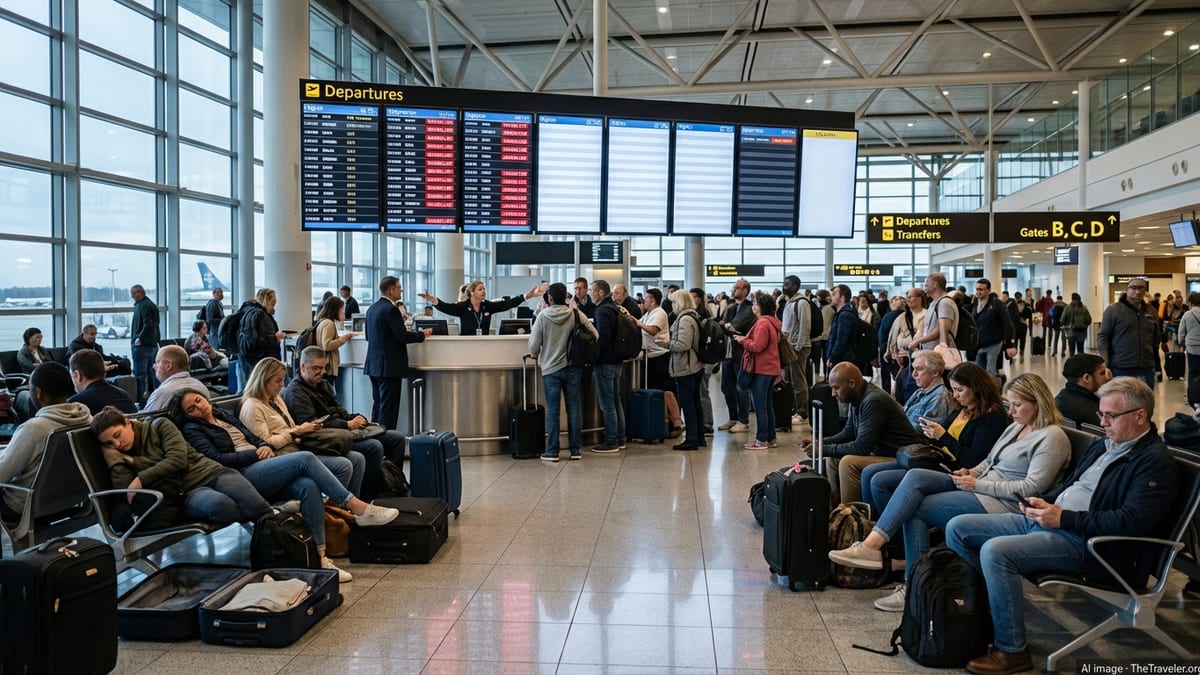
Worldwide Caution Highlights Expanding Risk Landscape
The new security alert, circulated through official platforms and embassy channels, advises United States citizens worldwide to be vigilant amid a security environment described as complex and subject to rapid change. Publicly available information shows that the guidance places particular emphasis on those living in or traveling through the Middle East, where the risk of spillover from the confrontation with Iran is considered elevated.
The advisory follows a pattern seen during previous flare-ups in the region, but travel analysts note that the present warning is more expansive in tone. It points to the possibility that individuals or groups sympathetic to Iran could target locations associated with the United States, including areas frequented by Western travelers. The language reflects concerns that incidents in one country could trigger sudden security measures or protests in others, including destinations that had previously been perceived as relatively insulated.
While similar alerts have been issued in earlier crises, the current notice comes after months of heightened tensions, airspace restrictions and targeted attacks across parts of the Middle East. Travelers are being reminded that even countries not directly involved in the conflict may experience secondary impacts, such as demonstrations, tighter security screening and sporadic disruption to transport hubs.
Consular information programs describe the worldwide alert as a broad framework that sits alongside country-specific travel advisories. This means travelers must navigate both global cautionary language and detailed local guidance that can change quickly in response to new incidents or intelligence assessments.
Flight Disruptions and Airspace Closures Ripple Through the Region
One of the clearest travel impacts of the current tensions has been on aviation. Publicly accessible aviation notices from United States and allied regulators highlight evolving restrictions and warnings for airspace over and around Iran, Iraq and neighboring waters, including the Gulf and Strait of Hormuz. These measures reflect concerns about potential military activity, miscalculation or targeting errors affecting civilian aircraft.
In recent years, missile and drone attacks, as well as retaliatory strikes, have repeatedly prompted temporary airspace closures over parts of the Middle East. Coverage of previous incidents has documented how Israel, Jordan, Iraq and other states have at times halted or severely curtailed commercial traffic in response to sudden escalations. Airlines serving the region have adjusted routes, lengthened flight times or suspended specific city pairs when risk levels were deemed too high.
Current reporting indicates that similar operational adjustments are again affecting schedules as tensions spike. Some carriers are rerouting long-haul flights to avoid contested corridors, while others are trimming frequencies to cities seen as particularly exposed. In a number of cases, airlines are waiting for updated assessments from national aviation authorities before restoring pre-crisis timetables.
Travel industry experts caution that such disruptions can have a cascading impact that extends far beyond the immediate conflict zone. Even travelers bound for destinations outside the Middle East may encounter delays, missed connections or aircraft substitutions if their itineraries rely on hubs in the Gulf, Turkey or the eastern Mediterranean. Flexible planning and close communication with airlines are widely recommended.
Heightened Alerts Across Key Middle Eastern Destinations
Alongside the global notice, United States country-level advisories for much of the Middle East remain at elevated levels. Publicly available guidance shows that destinations such as Iran, Iraq, Lebanon, Syria, Yemen and Gaza are categorized under the most restrictive tier, advising United States citizens not to travel there because of high risks from conflict, terrorism, kidnappings and limited diplomatic support.
Other regional hubs of international travel, including Bahrain, Jordan, Kuwait, Oman, Qatar, Saudi Arabia and the United Arab Emirates, are assessed under a “reconsider travel” threshold. These advisories highlight the possibility that tensions with Iran, cross-border attacks or regional spillover could affect security conditions with little warning. The presence of United States military facilities and energy infrastructure in several of these states is seen as another factor in risk assessments.
Information pages for Israel and the Palestinian territories similarly emphasize the potential for sudden escalation, rocket fire and localized unrest. Past episodes have shown how airlines can rapidly curtail services to Tel Aviv and other airports during periods of intense violence, only gradually restoring capacity after military activity subsides and regulators deem operations acceptable.
Travelers who decide to proceed to higher-risk destinations are urged, in official materials and travel industry guidance, to maintain a high level of situational awareness, register with consular notification systems where available and have robust contingency plans. That can include identifying alternate departure routes and keeping travel documents, cash reserves and essential medications ready in case rapid movement becomes necessary.
What Travelers Should Expect in the Months Ahead
For leisure and business travelers alike, the latest worldwide alert underscores how closely global mobility is now tied to regional flashpoints. Travel commentators suggest that, as long as tensions between Washington and Tehran remain unresolved, periodic spikes in risk and corresponding advisories are likely to continue. This environment could fuel further volatility in airfares, insurance costs and booking patterns for itineraries involving the Middle East and neighboring transit hubs.
Short-notice schedule changes, stricter security procedures and more intrusive questioning at borders are all being flagged as likely features of trips through the region. Tour operators with programs in the Gulf, Levant and North Africa are already reviewing contingency plans and cancellation policies, seeking to balance safety with the desire to keep operations running where conditions allow.
Some corporate travel managers are reclassifying destinations and revisiting internal approval processes for staff travel to affected countries. This often includes closer coordination with security providers, more frequent risk briefings and stronger emphasis on tracking employee movements in real time.
For individual travelers, experts emphasize that the worldwide alert does not automatically mean canceling every international trip. Instead, the focus is on informed decision-making: understanding how the alert interacts with country-specific advisories, evaluating personal risk tolerance, reviewing insurance coverage for political unrest or war-related disruptions and monitoring credible news and official updates throughout the journey.
Practical Steps for Navigating an Uncertain Security Climate
In response to the alert, travel risk consultants and consumer advocates are renewing calls for careful pre-trip preparation. Recommended steps include confirming all flight segments directly with airlines, paying close attention to departure and transit airports and checking for last-minute terminal or schedule changes. Travelers are also encouraged to keep contact details for local embassies or consulates, as well as emergency hotlines, readily at hand.
Public guidance from consular services and aviation regulators suggests that travelers should avoid areas of known demonstrations, remain discreet about political discussions and refrain from photographing sensitive sites such as security installations, border crossings and critical infrastructure. In regions where anti-United States sentiment may flare, some advisers recommend exercising particular care around venues popular with Western visitors.
Insurance policies are another key consideration. After previous Middle East crises, some travelers reported difficulties securing compensation for cancellations linked to war or government actions affecting airspace. Reading policy exclusions closely, and opting for cancel-for-any-reason coverage where feasible, can help mitigate financial risk if conditions deteriorate again.
Ultimately, the worldwide alert serves as a reminder that even routine trips can be affected by distant geopolitical developments. For now, United States travelers are being urged, through official advisories and industry guidance alike, to stay informed, remain flexible and be prepared to adapt plans quickly as the situation in the Middle East evolves.