


More news on this day
The United States has issued a worldwide caution advising Americans overseas to exercise increased vigilance, citing heightened security risks tied to ongoing military operations and instability across the Middle East.
Get the latest news straight to your inbox!
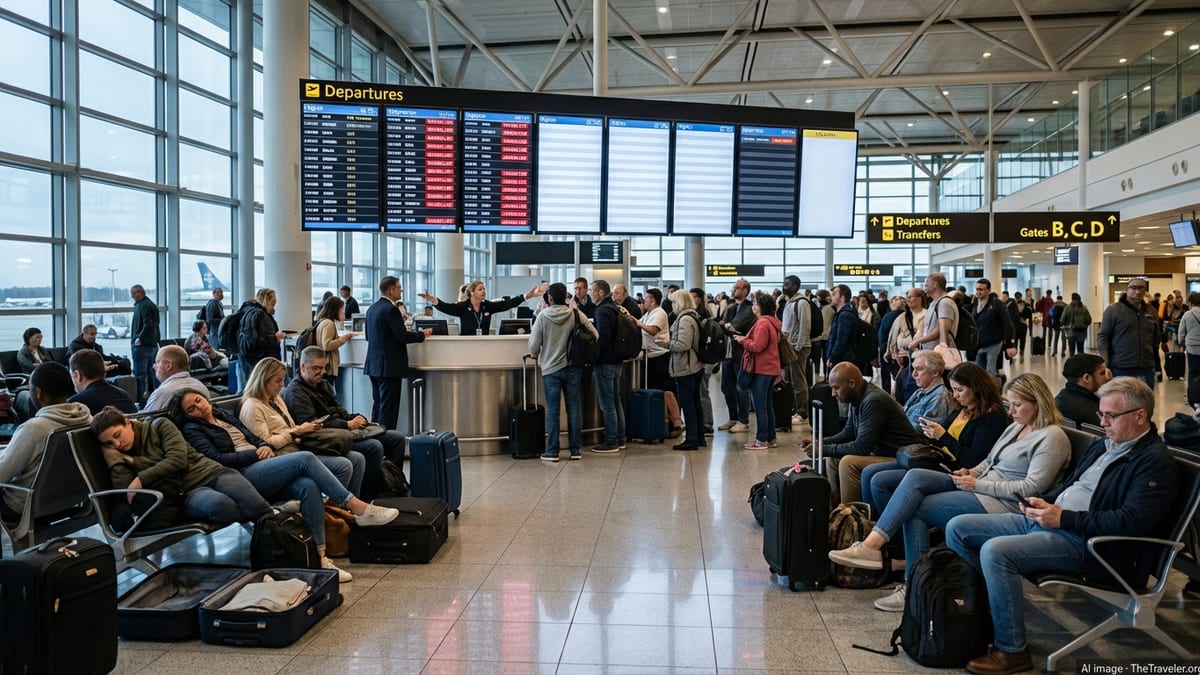
Rare Global Warning Highlights Expanding Security Concerns
The latest worldwide caution marks one of the most sweeping U.S. travel-related alerts in recent years, extending beyond individual country advisories to warn Americans about potential threats in multiple regions. Publicly available information from the State Department’s consular channels describes an elevated risk environment, particularly for U.S. citizens living in or traveling through the Middle East.
The alert comes as the conflict involving Iran and regional actors continues to reverberate across the broader Middle East. Reports indicate that U.S. combat operations and associated regional tensions have prompted a cascade of updated country-level advisories, ranging from “Reconsider Travel” to “Do Not Travel” for several destinations.
While the advisory is global in scope, the language places special emphasis on the Middle East, where security conditions have deteriorated sharply since late winter. The worldwide caution urges Americans to remain alert to their surroundings, have contingency plans for emergencies, and closely follow the latest guidance from U.S. embassies and consulates in their area.
The notice underscores that risks are not confined to active conflict zones. Publicly available coverage notes that locations associated with the United States or with Americans in general, including diplomatic facilities and popular gathering spots, could face increased security concerns as tensions evolve.
Middle East Travel Advisories Tighten Across Multiple Countries
Alongside the global message, individual travel advisories for a swath of Middle Eastern countries have been tightened in recent months. Official advisory pages show “Do Not Travel” warnings in places such as Iraq, Lebanon, Syria, Yemen, Iran and Gaza, reflecting persistent conflict, terrorism, and the risk of kidnapping or missile and drone attacks.
Several Gulf and Levant states, including Bahrain, Israel, the West Bank, Jordan, Kuwait, Oman, Qatar, Saudi Arabia and the United Arab Emirates, are currently subject to “Reconsider Travel” guidance. These alerts highlight the potential for sudden escalation, cross-border strikes, and attacks on facilities or locations frequented by Westerners, as well as restrictions on movements that can complicate evacuation or onward travel.
Country-specific notices in recent weeks have also documented ordered departures of non-emergency U.S. government employees and their family members from certain posts, signaling heightened concern about local security conditions. Although such measures focus on government personnel, they often serve as a barometer of broader risk for private citizens in the same locations.
For travelers, the combination of country-level warnings and the overarching worldwide caution means greater uncertainty in planning, as airlines adjust schedules, border authorities tighten controls, and local security forces step up patrols and checkpoints in sensitive areas.
What the Worldwide Caution Means for American Travelers
For Americans abroad or those preparing to travel, the worldwide caution translates into a call for elevated situational awareness rather than a blanket order to remain at home. Public guidance encourages travelers to review the specific advisory level of any destination, enroll in consular notification programs, and maintain updated contact information so that local embassies and consulates can disseminate alerts.
The advisory highlights the possibility of demonstrations, retaliatory attacks, and opportunistic violence in reaction to events in the Middle East, some of which may unfold far from the main conflict zones. Americans are urged to avoid large gatherings when possible, identify shelter locations in advance, and keep communication devices charged and loaded with local emergency contacts.
Travel experts note that insurance policies, medical evacuation services, and flexible ticketing options have become increasingly important tools for managing risk in volatile periods. Publicly available reporting also indicates that some travelers have altered itineraries to route around hotspots, opting for connections through lower-risk hubs or postponing nonessential trips to affected countries.
For those who remain in or near higher-risk areas, the worldwide caution reinforces earlier messages advising individuals to monitor local media, follow the instructions of local security services, and be prepared for sudden curfews, airspace closures, or disruptions to commercial transport.
Impact on Tourism, Airlines, and Regional Mobility
The renewed global alert and the Middle East–focused advisories are already affecting travel flows into and within the region. Industry trackers and media coverage suggest that bookings to several Gulf and Levant destinations have softened compared with earlier in the year, with demand shifting toward destinations perceived as more stable.
Airlines serving key Middle Eastern hubs have adjusted some routes and schedules in response to changing risk assessments and airspace considerations, particularly where potential missile or drone activity has been documented. In some cases, carriers have introduced additional stopovers or detours to avoid conflict-adjacent corridors, lengthening flight times between North America, Europe and Asia.
Tourism boards in countries less directly affected by the conflict are attempting to reassure visitors, emphasizing internal security measures and the continued operation of major resorts and attractions. However, the overarching U.S. worldwide caution, combined with prominent “Reconsider Travel” advisories, presents a challenge for marketing campaigns aimed at American visitors.
Business travel to energy, construction and logistics projects across the Gulf is also facing headwinds as companies revise security protocols, increase reliance on remote work, and reassess the need for on-the-ground staff. Reports indicate that some firms have temporarily relocated regional operations or expatriate employees to secondary hubs outside the immediate conflict sphere.
Practical Steps for Americans Navigating the New Advisory Environment
Given the broad scope of the worldwide caution, travelers and expatriates are being encouraged by public guidance to approach upcoming trips with a clear risk-management strategy. This includes registering travel plans with official consular enrollment services, compiling copies of key documents, and sharing itineraries with trusted contacts in the United States.
Travel planners recommend building extra flexibility into schedules, such as allowing more time for connections and considering refundable fares, in case security conditions prompt last-minute changes. Travelers are also advised to verify entry, transit and visa policies frequently, as governments can adjust regulations with little notice in response to security developments.
Publicly available safety recommendations further stress the importance of basic precautions: keeping a low profile, avoiding high-risk neighborhoods, limiting discussion of political topics in public, and staying informed through reputable international and local news outlets. In higher-risk locations, many Americans are reviewing access to secure transportation and accommodation with robust security measures.
As the situation in the Middle East continues to evolve, the worldwide caution signals that elevated risk could persist for an extended period. For Americans overseas, careful planning, constant awareness and close attention to official public guidance are now central elements of international travel.