


More news on this day
The United States has renewed stringent travel advisories for Lebanon and parts of northern Israel as cross-border hostilities, regional missile exchanges and a wider security alert across the Middle East contribute to an increasingly unpredictable environment for travelers.
Get the latest news straight to your inbox!
Heightened Advisories as Regional Tensions Deepen
Publicly available State Department information continues to list Lebanon at Level 4, the highest advisory level that instructs US citizens not to travel, with updated language emphasizing the risk of armed conflict, terrorism, kidnapping and civil unrest. The advisory highlights that non-emergency US government personnel and family members have been ordered to leave the country, underscoring Washington’s assessment of the deteriorating security picture.
For Israel, the West Bank and Gaza, US guidance remains at Level 3, urging travelers to reconsider non-essential trips. Within that broader advisory, northern Israel within approximately four kilometers of the Lebanese and Syrian borders is specifically categorized as an area where travel should not occur. The notice points to persistent cross-border fire, the presence of military forces and the possibility of sudden escalations.
The updated posture follows months of cross-border exchanges between Hezbollah and Israeli forces, as well as missile incidents involving Iran and Israel that have drawn international concern. Statements and parliamentary briefings in allied capitals describe one of the most volatile periods on the Israel–Lebanon front since a fragile ceasefire framework was announced earlier this year.
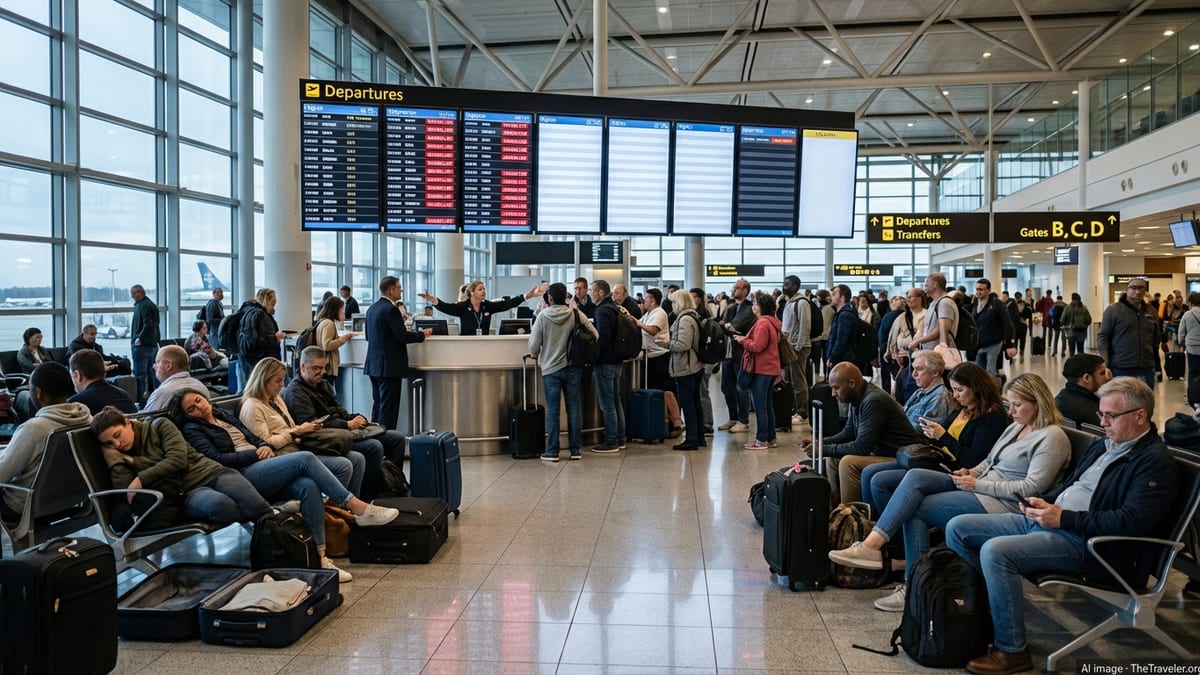
Alongside the country-specific notices, a recent regional security alert urges US citizens across the Middle East to exercise increased caution in light of the potential for wider hostilities. The alert references the possibility of protests, disruptions to international air traffic and the risk that localized clashes could expand with little warning.
Lebanon: “Do Not Travel” Status and Ordered Departures
Lebanon’s Level 4 advisory has been reiterated several times in 2026, with the most recent updates stressing both the internal security situation and the spillover from front-line clashes along the southern border. The State Department’s travel pages note that the US government’s ability to provide emergency services in much of the country is limited, particularly outside the capital, Beirut.
The advisory outlines a range of overlapping risks: potential terrorist attacks against public venues and transportation hubs, armed clashes involving non-state groups, and crime and kidnapping concerns in certain regions. Travelers are warned that the security environment can shift rapidly, including in areas that may initially appear calm.
Earlier this year, Washington ordered the departure of non-emergency embassy staff and family members from Lebanon, citing safety concerns. That step, which reduces the diplomatic footprint on the ground, is typically reserved for situations in which officials view the risk to personnel as no longer manageable through routine security measures.
Regional reporting notes that other governments, including European and Asia-Pacific states, have also raised their own advisories for Lebanon to the highest level, advising citizens to leave while commercial flights remain available. These parallel warnings point to shared concerns about the possibility of heavier Israeli strikes or broader conflict involving Hezbollah and allied armed groups.
Northern Israel: Localized “Do Not Travel” Zone
While Israel as a whole is subject to a “reconsider travel” advisory, the specific designation applied to northern border areas is notably stricter. Public State Department guidance continues to advise US citizens not to travel within a narrow buffer along the Lebanese and Syrian frontiers, where communities have experienced intermittent rocket and missile fire since the upsurge in regional tensions.
The advisory cites the continued presence and activity of Israeli Defense Forces units in the area, as well as the potential for clashes with Hezbollah and other armed factions across the border. Residents near the frontier have periodically been instructed by Israeli authorities to seek shelter during barrages, and localized evacuations have taken place during spikes in hostilities.
Beyond the immediate border zone, travelers are told to remain alert to the possibility of security incidents in major cities and tourist centers elsewhere in Israel. The advisory notes that attacks can occur with little or no warning and may target public places, transportation networks and venues frequented by foreigners, even during periods that appear relatively calm.
International travel guidance compiled by foreign ministries and aviation regulators also draws attention to risks in the broader eastern Mediterranean airspace, encouraging airlines and passengers to monitor route changes and diversions that may result from shifting threat assessments.
What Travelers Are Being Advised to Do
For US citizens who are already in Lebanon, the latest communications and advisory language strongly encourage departure via commercial flights if it is safe to reach the airport. Travelers are urged to have contingency plans that do not depend on potential government-organized evacuations, which are often limited or unavailable in fast-moving crises.
Individuals in northern Israel or planning trips that include the frontier region are advised to avoid the designated no-travel zone altogether and to follow local security instructions if they are elsewhere in the country. Public information from US and allied governments emphasizes the importance of monitoring local news, reviewing airline notifications and being prepared for sudden changes in flight schedules or routings.
Across the wider Middle East, the separate regional alert recommends that travelers identify nearby shelters, review their personal security practices and maintain contact with family members regarding their movements. The message underlines that tensions involving Israel, Iran, Hezbollah and other actors could lead to rapid shifts in the risk environment far beyond any single border area.
Travel industry analysts note that tour operators, cruise lines and airlines have already adjusted some itineraries that previously included Beirut, Haifa and other ports and cities near the Lebanese–Israeli frontier. Booking conditions in the region increasingly highlight the possibility of last-minute changes, reflecting the fluid security situation on the ground.
Impact on Tourism and Regional Connectivity
The reinforced US warnings are contributing to an already sharp decline in leisure travel to Lebanon, a country that had been attempting to stabilize its tourism sector after years of economic crisis and political deadlock. Hotel operators and small businesses in Beirut and coastal resorts report reduced bookings from North American and European markets, mirroring trends seen during previous rounds of regional unrest.
In northern Israel, domestic tourism has also been affected, with some accommodation providers reporting cancellations from both foreign visitors and Israelis from other parts of the country who are wary of staying near the border. Travel agents indicate that many clients are opting for destinations in central and southern Israel, or postponing trips altogether pending clearer signs of de-escalation.
Aviation data and official travel-advisory compilations show that multiple countries now flag both Lebanon and specific parts of Israel as high-risk locations, in some cases advising against all but the most essential travel. This convergence of warnings, combined with a broader US security alert for the Middle East, suggests that travelers can expect continued disruption to routes, schedules and insurance coverage for the coming months.
For now, publicly available government guidance is clear that those who decide to travel in or near the affected areas should do so with a thorough understanding of the risks, flexible plans and a readiness to leave quickly if the security situation deteriorates further.