


More news on this day
A North Wales heritage steam railway has brought in a package of enhanced safety measures designed to cut the risk of lineside fires as the region faces another spell of hot, dry weather and heightened wildfire danger.
Get the latest news straight to your inbox!
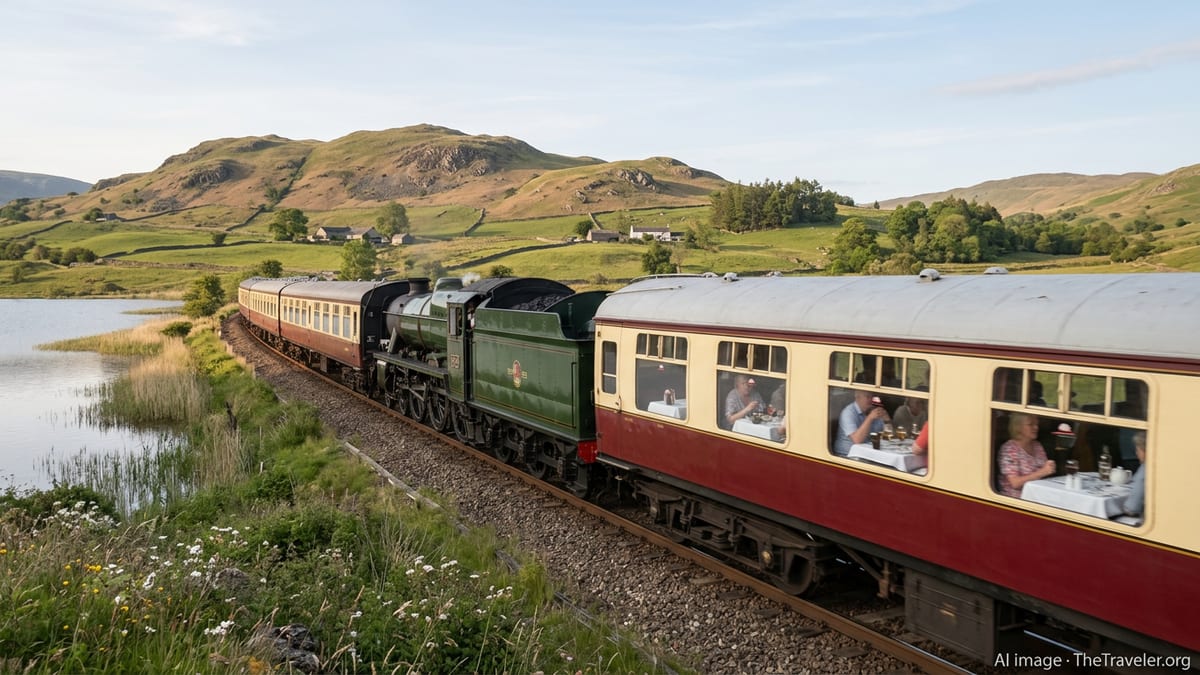
Heatwave conditions sharpen focus on heritage rail risk
The new measures follow a period of unusually hot and dry weather across Wales, with public information from fire and rescue services highlighting an elevated risk of wildfires on upland slopes and along transport corridors. Recent incident updates in North Wales have pointed to vegetation fires developing quickly in areas of long, dry grass and heath, prompting local authorities and emergency services to urge residents and visitors to take extra care.
Against this backdrop, heritage railways that run traditional coal fired steam locomotives are under particular scrutiny. Steam exhaust, sparks from the chimney and hot cinders from the ashpan can all ignite parched vegetation close to the track. National reports have also drawn attention to temporary restrictions on steam charter operations on the main line during the hottest periods, underscoring concern about the cumulative risk of lineside fires.
The North Wales steam railway at the centre of the latest changes has decided to retain its planned steam timetable, but only with additional safeguards in place. Publicly available information from the line describes the move as a way to balance visitor demand for authentic steam experiences with a clear responsibility to minimise fire risk during the current spell of warm, settled weather.
Similar concerns have been raised in other parts of the United Kingdom during recent heatwaves, as rail infrastructure managers introduce lower speed limits, enhanced inspections and vegetation management. The situation in North Wales reflects a wider pattern in which heritage operators are adapting working practices to cope with hotter, drier summers.
Enhanced fire safety: water sprays, patrols and tighter controls
According to summaries published by the railway, the enhanced safety package includes increased use of water to damp down vulnerable stretches of lineside vegetation before and during steam operations. This involves deploying dedicated water tankers or lineside points where embankments can be soaked ahead of the first departure of the day, with further applications if conditions remain exceptionally dry.
The railway has also expanded its use of on train and lineside fire patrols. Staff are assigned to monitor the route while steam services are operating, watching for smoke or small outbreaks in cuttings, embankments and fields bordering the line. In some cases, patrols follow trains by road with basic firefighting equipment so they can respond quickly if a minor incident is detected.
Operating practices have been tightened to reduce the likelihood of sparks escaping from locomotives. Public descriptions of the policy changes refer to closer checks on ashpan condition, smoke box doors and spark arresting equipment, along with adjustments to how locomotives are fired on the steepest sections of the route. Where necessary, coal quality and firing technique are being reviewed to keep emissions as clean and controlled as possible during the driest part of the day.
Some services have been re timetabled so that heavier steam hauled departures avoid the very hottest mid afternoon period, when low humidity and stronger winds can make vegetation particularly vulnerable to ignition. The railway has indicated that diesel traction remains available as a fallback if local conditions deteriorate or if fire risk assessments suggest that steam power is not appropriate on a specific train.
Working alongside regional fire and safety guidance
The railway’s actions are being framed against broader regional advice on summer fire safety. Recent communications from agencies in North Wales have emphasised that hot, dry spells can quickly transform grassy slopes, heathland and woodland edges into areas where even a small spark may lead to a fast moving blaze. That risk can be amplified where transport routes, including rural roads and railways, run through exposed valleys and hillsides.
Public material from the North Wales Fire and Rescue Service and local councils has urged residents, walkers and visitors to avoid disposable barbecues, take care with cigarettes and refrain from lighting campfires or burning garden waste during periods of heightened risk. While that guidance largely targets day trippers and communities in rural areas, it also underlines the responsibility of organisations that operate in or near fire sensitive landscapes.
Heritage railways are a prominent feature of the visitor economy in North Wales, carrying thousands of passengers each season through areas of scenic and environmental importance. The latest operational changes reflect an acknowledgement that continued access to those landscapes by steam train must go hand in hand with a clear strategy to protect nearby farmland, properties and habitats from accidental ignition.
Publicly available descriptions of the measures suggest that the railway has coordinated its plans with regional safety expectations, aligning its procedures with the types of risk highlighted in recent wildfire awareness campaigns. This includes specific attention to embankments, cuttings and access points where emergency vehicles could reach the line in the unlikely event of a more serious incident.
Passenger experience, communication and the wider heritage sector
For visitors, the railway is seeking to keep disruption to a minimum while still making the new safety regime visible. Notices at stations and on digital channels explain why certain services might be diesel hauled or retimed at short notice, and why water spraying equipment or patrol vehicles may be seen alongside the line on particularly hot days. The messaging encourages understanding by setting the measures within the wider context of regional fire risk.
Reports indicate that the popular themed and dining trains, including evening services, are continuing to run, often still steam hauled but subject to ongoing risk assessment. If conditions change quickly, passengers are being advised that traction may be substituted without prior notice. The railway presents this as a necessary flexibility that allows services to go ahead safely rather than be cancelled outright.
The experience in North Wales is likely to be closely watched by other heritage operators across the UK, many of which run through similarly exposed rural landscapes. In recent years, several lines have introduced or expanded the use of water bowser trains, enhanced spark arrestors and real time fire risk assessments in response to summer heatwaves. The current changes add to that emerging body of practice and may help shape informal benchmarks for how steam operations are run during prolonged dry periods.
As climate projections point to more frequent and intense heat events across the UK, industry observers suggest that such adaptations will become an increasingly routine part of heritage railway management. For now, the North Wales line’s decision to introduce enhanced safety measures while keeping steam in traffic illustrates how traditional attractions are seeking to remain viable in changing environmental conditions.