


More news on this day
Stricter enforcement of United States passport validity rules is leaving travelers stranded at major hubs in Dallas, New York and Atlanta, as airport reports describe rising numbers of passengers blocked from boarding international flights or refused entry because their travel documents are expired or too close to expiry.
Get the latest news straight to your inbox!
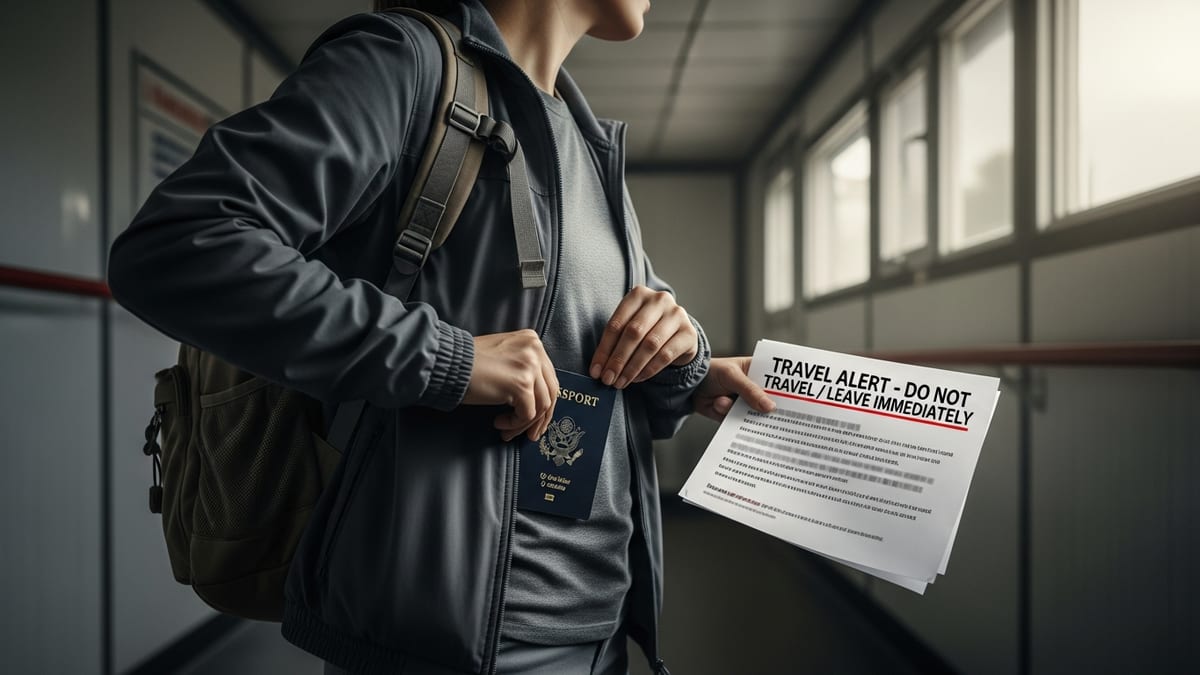
Expired Passports No Longer Accepted For Return To The US
Publicly available guidance from US Customs and Border Protection (CBP) and the Department of State makes clear that US citizens can no longer rely on the pandemic-era flexibility that briefly allowed some Americans to fly home on expired passports. A CBP help center article dated November 2025 reiterates that US citizens are not permitted to use expired US passports for direct return to the United States after June 30, 2022, ending a temporary measure that had been introduced when consular services were heavily disrupted overseas.
The same guidance directs citizens whose passports have lapsed to renew through the Department of State before traveling, rather than expecting to fix documentation issues at the airport. Processing times are typically six to eight weeks for routine service, with separate channels for urgent travel, underscoring the need to plan well ahead of peak holiday periods when appointment demand rises at agencies linked to Dallas Fort Worth, New York and Atlanta catchment areas.
In parallel, US law continues to define a standard passport validity period of ten years for most adults, meaning many passports issued around the surge of post‑recession travel in the mid‑2010s are now expiring. Recent statutory updates call on the State Department to notify passport holders up to a year before expiration, but travelers who miss or overlook those notices are still arriving at airports with documents that no longer meet re‑entry requirements.
Six‑Month Validity Rules Catch International Visitors Off Guard
For foreign nationals, the situation is even stricter. CBP and Department of Homeland Security guidance emphasize that, in most cases, travelers must hold a passport valid for at least six months beyond their intended stay in the United States. Immigration resources for students and other temporary visitors note that those whose passports are expired or will expire in less than six months are expected to renew before attempting to re‑enter.
There are exceptions through so‑called “six‑month club” agreements, which treat certain countries’ passports as valid up to the printed expiration date rather than six months beyond. However, this relief does not apply universally, and passengers who assume their national rules align with those of neighboring states can be caught out at check‑in counters in Dallas, New York and Atlanta when airline systems flag insufficient validity.
US travel guidance further underlines that those in nonimmigrant categories who leave the country, even briefly, must return with a valid passport, and in many cases a still‑valid visa and I‑94 admission record. While a visa foil in an expired passport can remain usable if presented with a new passport, the passport used for entry itself cannot be out of date. That distinction often causes confusion among travelers who focus on visa validity but overlook basic passport expiry.
Airport Hotspots: Dallas, New York And Atlanta Feel The Strain
Major international gateways are seeing the practical impact of these rules. Dallas Fort Worth International Airport, which handles the bulk of North Texas long‑haul traffic through its federal inspection facility in Terminal D, has reported continued growth in international operations in city budget and aviation disclosures, a trend that increases the volume of travelers whose documents must be screened before departure and on arrival.
In the New York area, John F. Kennedy International Airport remains one of the country’s busiest entry points for transatlantic and transpacific flights. Regional coverage has highlighted persistent congestion and technology issues affecting traveler information, such as the lack of real‑time security wait times for periods earlier this year. Against that backdrop, any passenger turned away at check‑in for an expired passport can trigger missed connections, rebooking challenges and longer queues at airline service desks.
Atlanta’s Hartsfield‑Jackson International Airport, which markets itself as the world’s busiest by passenger volume, continues to expand international traffic according to municipal aviation reports. Local guidance on passenger security and identification stresses the importance of current, acceptable ID, while separate updates describe new verification products for travelers who do not yet hold a compliant REAL ID or passport for domestic screening. For international journeys, however, the underlying requirement remains an unexpired passport that meets US entry standards, a rule that leaves little room for flexibility once a traveler is already at the terminal.
Check‑In And Boarding: Airlines Enforce Entry Rules Upfront
Airlines are on the front line of enforcement, as carriers face financial penalties and responsibility to return passengers who are refused entry for documentation issues. Carrier agents at Dallas Fort Worth, New York’s JFK and LaGuardia, and Atlanta therefore rely on document‑checking systems that validate passport expiration dates, six‑month validity rules and, where relevant, visa and ESTA status before issuing boarding passes for flights bound to the United States.
Public guidance from CBP and the Department of State explains that travelers from visa waiver countries must hold a valid, unexpired passport and an approved Electronic System for Travel Authorization (ESTA) for stays up to 90 days. If the passport is expired or too close to expiry, airlines are expected to deny boarding, even if the traveler has a valid ESTA authorization. This tight coupling between airline procedures and border rules is leading to more last‑minute denials at crowded check‑in areas during summer and holiday peaks.
For students, business travelers and tourists re‑entering the United States on nonimmigrant visas, official resources stress that the safest approach is to keep the passport valid well beyond any planned travel window. While immigration rules provide for certain narrow exceptions, such as automatic visa revalidation in specific circumstances, these mechanisms do not override the core requirement to carry an unexpired passport. Misunderstanding that nuance can result in travelers being stopped long before they reach the federal inspection desk.
Travelers Urged To Renew Early As Demand Surges
Passport agencies serving the catchment areas of Dallas, New York and Atlanta have faced heavy demand over the last two years as international travel rebounded and pandemic‑era backlogs worked through the system. Public information from CBP and the Department of State advises applicants to allow at least six to eight weeks for routine processing, and to seek expedited service only for urgent, documented travel needs, which come with higher fees and often limited appointment slots.
Local outreach campaigns, such as passport fairs and acceptance events in the Atlanta area, have encouraged residents to check passport expiry dates and submit renewal applications months before peak travel seasons. Similar efforts advertised through city and congressional offices in Texas and New York have highlighted that even US citizens returning home must hold an unexpired passport when flying back from most overseas destinations.
With more travelers booking complex itineraries that connect through multiple hubs, missing the passport renewal window can have knock‑on effects well beyond a single missed flight. Published travel and immigration guidance consistently recommends verifying passport expiration, visa status and any six‑month validity requirements at the time of booking, and again before departure, to avoid becoming one of the growing number of passengers stranded at Dallas, New York or Atlanta with an expired document and no immediate way to continue their journey.
Sources: CBP Help Center: End of Use of Expired U.S. Passports; ICE Student and Exchange Visitor Program Travel Guidance; CBP: Welcome to the United States Guide; CBP Help Center: How do I obtain a passport?; United States Code 22 USC 217a