


More news on this day
Uzbekistan is sharpening its image as Central Asia’s adventure playground, seeking a new generation of thrill-seeking travelers to balance its Silk Road heritage with high-adrenaline outdoor experiences.
Get the latest news straight to your inbox!
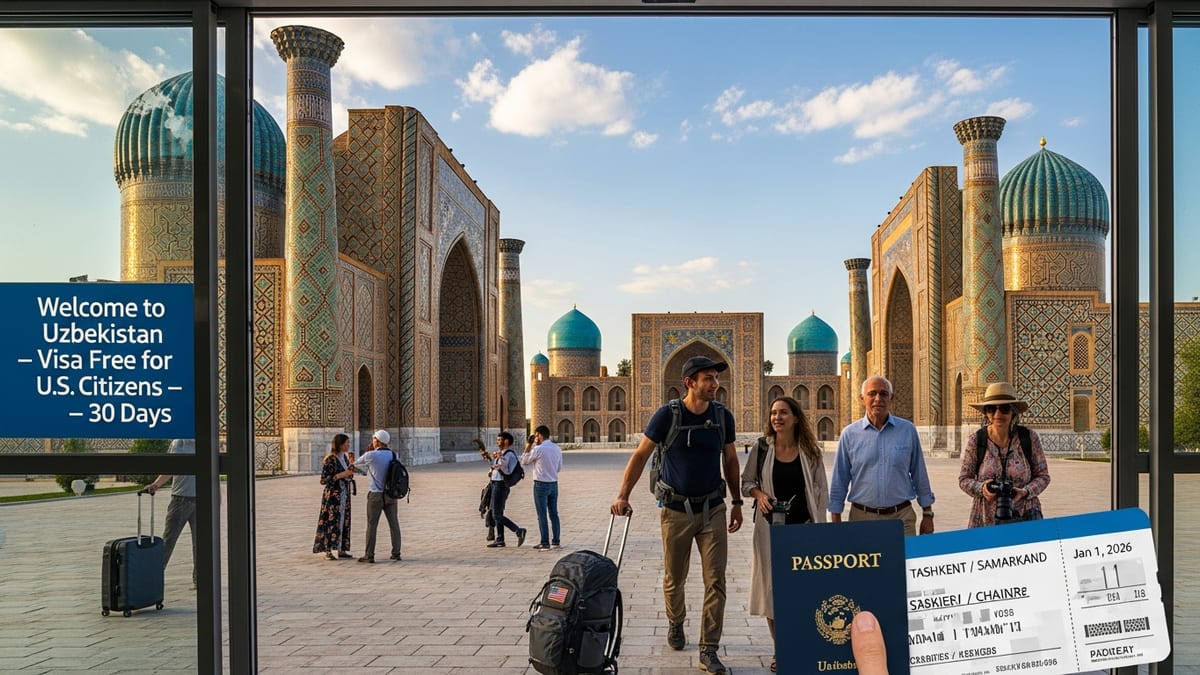
From Silk Road Showcase To Extreme Sports Basecamp
Long known for its blue-tiled madrasas and caravan cities, Uzbekistan is positioning itself as the launchpad for modern adventure across Central Asia. Publicly available tourism data shows that international arrivals have surged past pre-pandemic levels, helped by easier visas and aggressive destination marketing, but officials and industry analysts increasingly frame the next phase of growth around active and extreme travel rather than culture alone.
Government and industry publications describe the country as an emerging hub for adventure, citing its deserts, mountain ranges and high plateaus as underused natural assets for outdoor sports. While cultural itineraries through Samarkand, Bukhara and Khiva still dominate, reports on tourism development trends in Uzbekistan highlight growing demand for hiking, skiing and other active pursuits, particularly among younger travelers and repeat visitors who have already sampled the classic Silk Road circuit.
Central Asia-focused market research indicates that regional tourism has moved firmly into a growth cycle powered by experience-led travel, with Uzbekistan accounting for a significant share of arrivals. Analysts argue that converting a portion of these visitors from sightseeing to sport-focused trips is critical if the country is to differentiate itself from neighboring destinations competing for the same audiences.
Mountain Resorts Turn Toward Heli-ski, Freeride And Summer Trails
Uzbekistan’s highland zones are central to the new narrative. The Chimgan-Charvak-Beldersay cluster northeast of Tashkent is frequently described in promotional materials as an emerging winter sports region, where snow cover on slopes above 1,600 meters typically extends from October into May. Official tourism information notes that the area now caters to alpine skiing, snowboarding, freeride and heli-ski, activities that speak directly to advanced skiers and snowboarders looking beyond Europe and North America for fresh terrain.
Privately compiled adventure travel guides highlight Greater Chimgan’s steep couloirs, off-piste bowls and backcountry ridgelines, placing the region alongside better-known Asian ski destinations in terms of vertical drop and snow quality, though infrastructure and avalanche services remain in development. The nearby Bostanliq district is promoted as one of the world’s promising heli-ski and heli-board zones, where helicopters ferry small groups to untouched lines above the Charvak Reservoir.
The same mountains are being packaged for summer. Destination marketing platforms point to an expanding network of trekking routes, rock-climbing sectors and paragliding launch sites within a few hours’ drive of Tashkent. Local education and sports institutions describe seasonal camps that introduce young people to mountaineering skills and safe behavior in alpine environments, hinting at a nascent domestic base that could support more specialized guiding and equipment services over time.
Desert Rivers, Canyons And Multi-Day Adventure Circuits
Beyond the highlands, Uzbekistan is promoting its desert and river landscapes as proving grounds for rafting, canyoning and multi-day overland trips. Official tourism brochures focused on “extreme types of tourism” describe rafting opportunities on rivers such as the Chatkal and Pskem, where snowmelt and seasonal rains feed fast, technical sections that appeal to intermediate and advanced paddlers. International travel features portray rafting in these gorges as a way to access remote valleys and wildlife, combining adrenaline with wilderness immersion.
Specialist operators now market itineraries that link river journeys with trekking in the Nuratau Mountains, off-road crossings of the Kyzylkum Desert and overnight stays in yurt camps or village guesthouses. Travel trade publications report a broader regional shift toward longer Central Asia circuits spanning several countries, with Uzbekistan pitched as the core gateway that connects travelers on to Kyrgyzstan’s high-altitude lakes, Tajikistan’s Pamir Highway and Kazakhstan’s steppe landscapes.
Analysts describe this connectivity as a strategic advantage for Uzbekistan. As more tour operators add affordable, youth-oriented routes through Central Asia, itineraries commonly start in Tashkent or Samarkand before branching into neighboring republics, reinforcing the perception of Uzbekistan as both cultural anchor and logistical hub for multi-country expeditions.
Chasing Younger Travelers In A Digital-First Market
Academic work on youth and adventure tourism in Uzbekistan points to shifting expectations among under-35 travelers, who increasingly prioritize immersive, shareable experiences over monuments alone. Studies of digital tourism in the country highlight the influence of social media platforms and user-generated video in shaping perceptions of safety, value and excitement, suggesting that visual storytelling around skiing, mountain biking and desert expeditions will be central to attracting new segments.
Market research into Central Asia’s hotel and tour sectors shows that budget-friendly group itineraries and flexible, modular trips are gaining traction, particularly with travelers from Europe and East Asia who combine regional city breaks with outdoor activities. Recent analysis of visitor flows indicates that arrivals from large outbound markets such as China have risen sharply, helped by relaxed entry rules and growing air connectivity, creating an opportunity to cross-sell adventure products to first-time visitors who initially arrive for history and cuisine.
Observers note, however, that this pivot toward younger, more active travelers will require clearer standards for adventure safety and risk management. Uzbekistan has already adopted an international adventure tourism safety standard in its national regulatory framework, according to official documentation, a move intended to bring local operators closer to global best practice as they scale up technical activities including climbing, skiing and white-water sports.
Infrastructure Gaps And Sustainability Questions
Despite the momentum, specialists caution that Uzbekistan’s extreme tourism ambitions rest on infrastructure that is still uneven. Research on the state of adventure tourism in the country identifies fragmented management between agencies, limited specialized training for guides and patchy transport links to high-potential regions as constraints on growth. Some mountain villages and desert communities lack reliable year-round road access, complicating the logistics of emergency response for high-risk sports.
Environmental sustainability is another concern. As heli-ski operations expand and off-road vehicles push deeper into fragile desert and alpine ecosystems, local and international observers warn of potential pressure on wildlife, water resources and traditional grazing lands. Development strategies increasingly reference eco-lodges, community-based tourism and low-impact trail networks as ways to balance visitor numbers with conservation, but implementation varies from region to region.
Tourism economists argue that bringing a new generation of travelers to Uzbekistan’s outdoors will only succeed over the long term if benefits reach rural communities and if safety standards keep pace with demand. Whether the country can fully reinvent its image from a static Silk Road museum to a dynamic Central Asian basecamp for extreme outdoor fun may depend on how quickly it can close those gaps while sustaining the very landscapes that make it unique.