


On a Florida coast packed with mega-resorts and traffic-choked beachfront strips, Vero Beach has quietly been turning heads. Skyscanner has reported that searches tied to Vero Beach have surged by more than 200 percent, yet the city on the Treasure Coast still feels low-rise, low-key and remarkably uncrowded. For travelers who want ocean air, a real town and fewer crowds than in Miami Beach, Fort Lauderdale or Clearwater, Vero Beach is emerging as a compelling alternative.
Get the latest updates straight to your inbox!
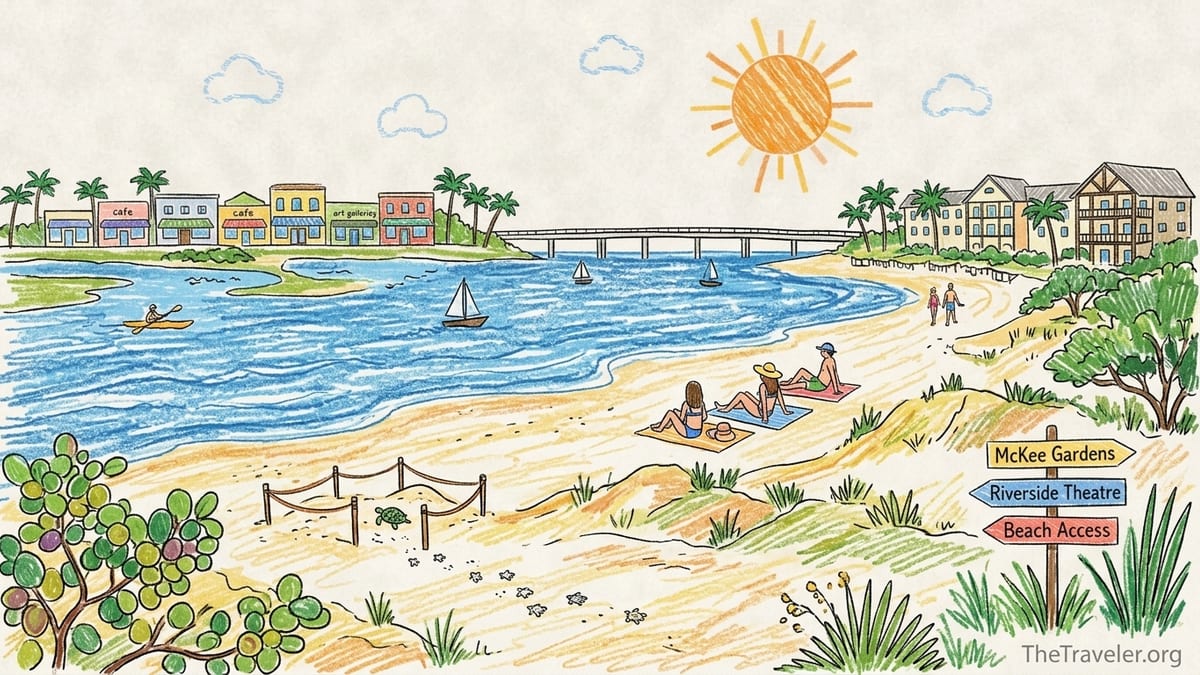
Why Vero Beach Is Suddenly on the Radar
Vero Beach sits on Florida’s Atlantic Treasure Coast between Melbourne and Port St. Lucie, roughly 95 miles southeast of Orlando. With around 20 to 22 miles of shoreline in Indian River County and strict limits on building height near the water, the area has long attracted second-home owners who wanted ocean views without high-rise condos. Local tourism officials describe it as an “eco-chic” haven where sunrises matter more than nightlife, a description that fits the town’s mix of nature preserves, quiet beaches and upscale but understated resorts.
Interest has spiked recently as travelers look for alternatives to Florida’s busiest resort corridors. While places such as Miami Beach and Key West draw dense crowds and premium-price hotel markets, Vero Beach offers a more modest average room rate. Recent hotel price trackers show midrange properties in Vero Beach averaging around 130 to 150 dollars per night over the course of the year, compared with statewide hotel averages approaching 190 dollars. Budget travelers can sometimes find inland motels and national-brand hotels near Interstate 95 for under 90 dollars per night outside peak winter and holiday periods.
Despite growing demand, Vero Beach still feels small. Downtown streets remain walkable, independent cafes and galleries line the blocks around 14th Avenue, and even in the busier winter season locals describe the town as “sleepy” compared with South Florida. Visitors driving over the Merrill P. Barber Bridge from downtown to the Atlantic barrier island are more likely to encounter early-morning joggers and cyclists than fleets of party buses. That sense of scale is a large part of the appeal.
Skyscanner’s report of more than 200 percent growth in traveler interest captures a broader shift toward under-the-radar coastal towns. For many visitors, Vero Beach offers the chance to experience Florida’s Atlantic shore without the pressure to schedule every hour. Long beach walks, slow breakfasts and afternoons in a botanical garden or on a kayak tour often replace the theme-park pace found elsewhere in the state.
Beaches: Space to Spread Out on the Treasure Coast
The biggest surprise for many first-time visitors is how uncrowded the beaches are, even during popular travel periods such as spring break. Indian River County tourism officials highlight more than 20 miles of beach, and large sections of that shoreline remain backed by dunes, sea grapes and low vegetation rather than towers of condominiums. County and city parks maintain numerous public access points with parking, restrooms and lifeguards at key locations.
Humiston Beach Park is one of the most convenient options for visitors staying on the barrier island. Located within the Ocean Drive shopping and dining district, it combines a wide stretch of sand with a shaded playground, picnic pavilions and free parking. Travelers staying at nearby oceanfront hotels, such as Costa d’Este Beach Resort & Spa or Driftwood Resort, can walk to the park in a few minutes, grab coffee from a nearby cafe and be in the water shortly after sunrise.
To the north, Jaycee Park and the adjacent Conn Beach boardwalk offer a relaxed setting with picnic spots and an oceanfront sidewalk popular with walkers and cyclists. Families often base themselves here for a few hours so that children can alternate between the playground, the shallow surf and ice cream shops a short drive away along Ocean Drive. Early risers who visit in summer and early fall might witness sea turtle tracks or roped-off nests along this stretch, reflecting the area’s importance as nesting habitat.
Farther afield, Golden Sands Beach Park and Treasure Shores Park, north of Vero Beach proper, appeal to travelers looking for more solitude. Parking lots sit behind low dunes, and there are fewer services close at hand, so visitors often bring their own coolers and umbrellas. South Beach Park, at the southern end of the main Vero Beach strip, draws a mix of locals, surfers and snowbirds and offers another lifeguarded swimming area with convenient facilities. Wave conditions vary with the weather, but the Atlantic here frequently produces gentle rollers suitable for beginner bodyboarders and casual swimmers rather than heavy surf.
Where to Stay: Oceanfront Resorts and Relaxed Alternatives
Vero Beach’s lodging scene is compact but varied, with options ranging from independent oceanfront properties to familiar national brands along the highway. Unlike in Miami or Fort Lauderdale, building rules along the barrier island have kept hotels to a human scale. Many sit at three or four stories, often with direct access to the sand.
On the oceanfront, Costa d’Este Beach Resort & Spa, co-owned by Gloria and Emilio Estefan, offers a boutique resort feel with around 90 rooms, an oceanfront infinity pool and a compact spa. Nightly rates in winter often climb above 300 dollars, similar to upscale properties in larger resort cities, but off-season midweek stays can fall closer to 220 to 260 dollars, especially in late summer and early fall. A few blocks north, Kimpton Vero Beach Hotel & Spa provides larger suites that appeal to families and longer-stay guests, with kitchenettes and balconies facing the Atlantic. Guests here have access to beach chairs and umbrellas, on-site dining and a small spa, and can often find deals in the 250 to 350 dollar range depending on the season and room type.
For travelers seeking character on a smaller budget, the historic Driftwood Resort offers individually owned oceanfront condos in a quirky, timber-framed complex dating back to the 1930s. Units vary in decor and price, but studios and one-bedroom apartments can sometimes be booked in shoulder seasons for around 150 to 220 dollars per night. The property opens directly onto the beach and sits within an easy stroll of Ocean Drive restaurants, making it a popular choice for couples and multigenerational families who prefer a residential feel.
Travelers who prioritize value over ocean views can look west toward U.S. Highway 1 and Interstate 95. Here, major chains such as Hampton Inn & Suites, Holiday Inn Express and Fairfield Inn offer rooms that often range from about 110 to 170 dollars per night outside peak holidays. A Hampton Inn in downtown Vero Beach, for example, places guests within walking distance of local restaurants, craft breweries and the Saturday farmers’ market rather than the beach, creating a more local, year-round neighborhood feel. For road trippers simply passing through, budget properties near the I 95 interchange have been listed on major booking platforms for as low as 70 to 90 dollars on selected off-peak nights.
Alternatives to Busier Florida Resort Hubs
Part of Vero Beach’s appeal is what it is not. It does not have the dense nightclub strips of Miami Beach, the theme-park corridor of Orlando or the cruise terminals of Port Canaveral and Fort Lauderdale. Instead, the town offers a calmer rhythm more comparable to smaller Gulf Coast destinations such as Anna Maria Island or Sanibel before those areas became household names.
Travelers used to the bustle of South Beach often remark on the ability to cross Ocean Drive on foot without fighting heavy traffic and to find free or low-cost public parking near the sand. During peak winter months, hotels in Vero Beach can still sell out and restaurants may require reservations, but sidewalks remain navigable and noise levels drop considerably after dinner. For many snowbirds, that balance of amenities and quiet is a primary reason to return year after year.
Compared with well-known Atlantic coast resorts such as Daytona Beach or West Palm Beach, Vero Beach feels more residential and less overtly commercial. Oceanfront is dominated by a handful of resorts, low-rise condos and single-family homes rather than continuous walls of hotels. There are no boardwalk amusement rides, and neon signage is scarce. Instead, visitors encounter morning yoga groups practicing in public parks, locals walking dogs along the shore and small clusters of surfers watching the waves in front of South Beach Park.
For travelers debating between Florida’s better-known resort hubs, a practical way to view Vero Beach is as a base for day trips rather than a standalone entertainment district. Orlando’s theme parks lie roughly an hour and a half to the northwest by car, while the Kennedy Space Center is approximately a similar drive up the coast near Titusville. Some visitors choose to spend a few nights in Orlando for the parks, then decompress in Vero Beach for the remainder of their vacation, trading roller coasters for sea breezes and early nights.
Things to Do Beyond the Sand
While Vero Beach is first and foremost about the ocean, the area offers a surprising amount of culture and nature beyond sunbathing. One of the marquee attractions is McKee Botanical Garden, an 18 acre subtropical garden built on the site of a historic 1930s roadside attraction. Visitors can wander shaded trails lined with palms, water lilies and bamboo, and families often pause at the children’s garden with its splash features and whimsical play structures. Admission is typically under 20 dollars for adults, with reduced rates for children and seniors, and seasonal exhibits such as large scale sculpture installations occasionally draw regional visitors for day trips.
Just north of McKee sits the Vero Beach Museum of Art in Riverside Park on the barrier island. The museum features rotating exhibitions of regional, national and international art along with a permanent collection and an outdoor sculpture garden. Admission fees remain modest by big-city standards, often just over 10 dollars for adults, and the museum’s location allows visitors to pair a gallery visit with a picnic under live oaks in the adjacent park or a short drive to the beach.
Live performance is another area where Vero Beach punches above its weight. Riverside Theatre, also located in Riverside Park, bills itself as Florida’s largest professional not-for-profit theater. It produces a mainstage season of plays and musicals and hosts comedy nights and live music on weekends. Ticket prices vary by performance, but weeknight shows and comedy events sometimes start around 35 to 45 dollars, significantly less than comparable productions in major metropolitan areas. Travelers who plan ahead can often line up a matinee at Riverside Theatre and a dinner reservation on Ocean Drive in the same afternoon.
Outdoor enthusiasts have access to the Indian River Lagoon, one of North America’s most biologically diverse estuaries. Local outfitters operate kayak and paddleboard tours that explore mangrove tunnels and spoil islands, with chances to spot dolphins, manatees and wading birds. A typical guided kayak tour of two to three hours might cost around 50 to 75 dollars per person, including equipment. The nearby Environmental Learning Center, set on a lagoon island, combines boardwalk trails with hands-on exhibits and is a popular stop for families looking to add an educational angle to their beach trip.
Practical Planning: Getting There, When to Go and Costs
Vero Beach does not have a large commercial airport, which helps keep visitor numbers in check. Most travelers fly into Orlando International Airport or Palm Beach International Airport. Orlando sits about 95 miles to the northwest, often a one and a half to two hour drive depending on traffic, while Palm Beach is roughly 80 miles to the south. Some regional and charter flights operate from Vero Beach Regional Airport, but schedules and routes change frequently, so travelers planning to rely on those should confirm details well in advance.
Once in town, visitors will find that public transportation is limited, and many locals emphasize that Vero Beach, like much of Florida, functions as a car-oriented destination. Rideshare services operate within town, and taxis and private shuttle companies can connect the airports to Vero Beach, but costs for a one way trip from Orlando often approach or exceed 150 dollars for a private transfer. For that reason, most vacationers rent a car at the airport, allowing easy access not only to the beaches but also to inland attractions, grocery stores and day-trip destinations such as Sebastian Inlet State Park.
Seasonality has a marked effect on both crowd levels and prices. The period from late December through March attracts visitors from colder northern states, pushing hotel rates upward and filling popular restaurants most evenings. During this high season, oceanfront resorts can command nightly rates equal to or higher than comparable properties in larger cities. Shoulder seasons in April, May, October and early November often offer a sweet spot of warm water, pleasant air temperatures and more moderate prices, with some oceanfront rooms dropping below 250 dollars and inland hotels below 130 dollars on select nights.
Summer brings hotter, more humid weather and a greater chance of afternoon thunderstorms, as well as the Atlantic hurricane season that runs from June through November. However, for flexible travelers, these months can bring the lowest prices of the year. Data from hotel comparison sites point to average nightly rates in Vero Beach dipping closer to 120 to 140 dollars in parts of August and September, especially for non-oceanfront properties. Travelers visiting in this period should monitor weather forecasts closely and consider flexible booking policies or travel insurance that covers storm-related changes.
Dining, Nightlife and Local Flavor
Vero Beach’s dining scene reflects its coastal location and affluent winter population, but in a way that is more intimate than flashy. Along Ocean Drive on the barrier island, independent restaurants serve fresh seafood, steaks and creative small plates, often in spaces that blend indoor and outdoor seating. Long-running establishments such as Ocean Grill occupy landmark oceanfront buildings and draw both locals and visitors for sunset dinners that might feature locally caught grouper, shrimp and seasonal produce from nearby farms.
For a casual evening, visitors might grab fish tacos or a poke bowl from a beachside cafe, then stroll to a gelato shop or bakery without needing to move their car. Craft beer enthusiasts find small breweries and taprooms on the mainland near downtown, where converted warehouses and historic storefronts now host tasting rooms and live music on weekends. Prices generally remain in line with other mid-sized Florida cities: expect to pay around 6 to 8 dollars for a craft pint and 15 to 25 dollars for main courses at midrange restaurants.
Nightlife in Vero Beach stays relatively low key. A handful of bars and lounges along the barrier island offer cocktails and live music, particularly on Friday and Saturday nights, but the town does not cater to all-night partiers. Most establishments wind down by midnight, and noise ordinances help keep beachfront neighborhoods quiet. Visitors looking for a more energetic bar scene can drive north toward Melbourne or south to Fort Pierce, but many travelers choose Vero Beach precisely because evenings tend to revolve around sunset drinks, unhurried dinners and perhaps a show at Riverside Theatre rather than crowded clubs.
Daytime offers additional ways to tap into the local culture. Saturday farmers’ markets in or near Vero Beach showcase regional produce, citrus, baked goods and crafts, giving visitors a sense of the agricultural landscape that surrounds the town. Coffee shops in the historic downtown and on the island provide spaces where retirees, remote workers and vacationers mingle, often under ceiling fans and surrounded by local artwork for sale. For some travelers, these small daily rituals become as memorable as any formal attraction.
Is Vero Beach Right for Your Next Coastal Vacation?
Vero Beach is best suited to travelers who value space, scenery and a measured pace over non-stop attractions. Families with young children often appreciate the calm surf, playground-equipped beach parks and family-friendly cultural institutions like McKee Botanical Garden and the Vero Beach Museum of Art. Retirees and couples find plenty of room for long walks, reading on the balcony and relaxed dinners without needing to fight for beach chairs or parking spaces.
For younger travelers seeking a week of nightlife, bar hopping and large-scale events, Vero Beach may feel too quiet, at least outside occasional festivals and special performances. Likewise, visitors who want to explore solely on foot or by public transport might find the car-dependent layout challenging. However, as part of a broader Florida itinerary that includes more intense urban or theme-park experiences, Vero Beach offers a restorative counterbalance.
With Skyscanner reporting a surge of more than 200 percent in interest and local tourism campaigns positioning Indian River County as an upscale but accessible escape, Vero Beach is unlikely to remain under the radar forever. Yet the combination of building restrictions, preserved natural areas and a strong local preference for a low-rise, low-key environment suggests that it will retain its relaxed character even as visitor numbers climb.
If your idea of a coastal vacation involves waking to Atlantic sunrises, wandering through botanical gardens, catching a professional theater performance in the evening and still being in bed at a reasonable hour, Vero Beach deserves a serious look. It offers much of what travelers seek in Florida beaches, but with more elbow room, more local texture and fewer of the stresses that accompany the state’s best-known resort cities.