


More news on this day
Hundreds of air travelers across Canada faced unexpected overnight stays and missed connections as a wave of disruptions led to at least 30 flight cancellations and 173 delays affecting major carriers and regional airlines from early Tuesday, May 26, 2026.
Get the latest news straight to your inbox!
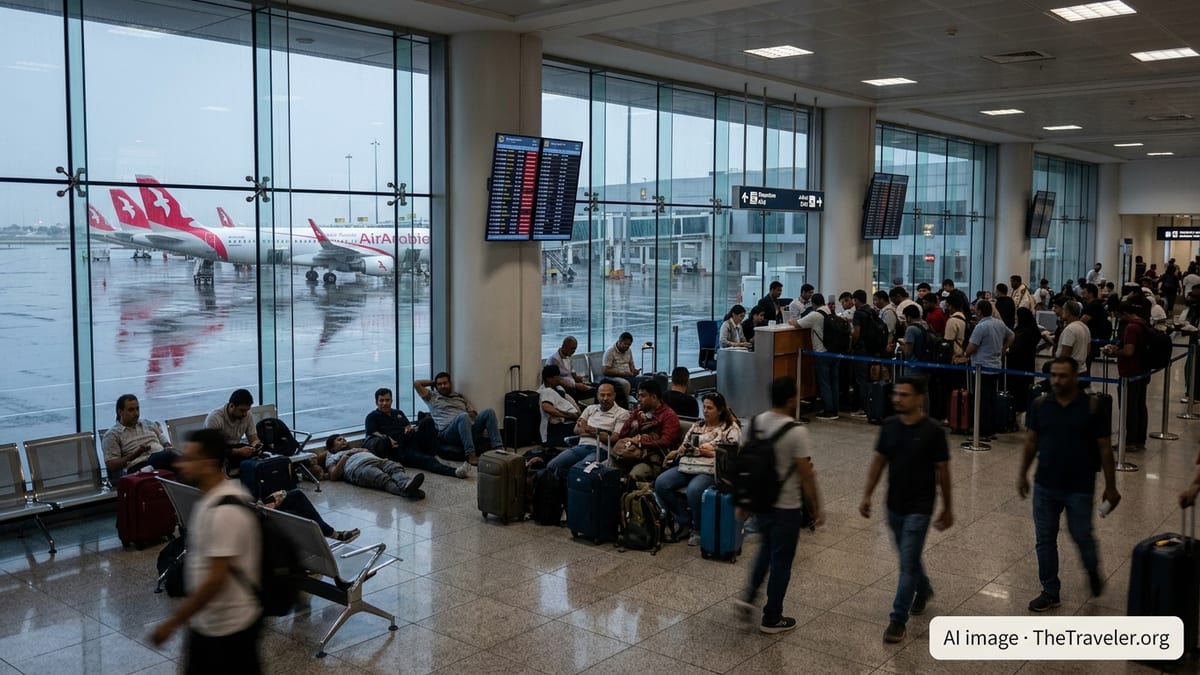
Major Hubs from Toronto to Vancouver Hit by Rolling Disruptions
Publicly available tracking data and airport timetables show widespread disruption at Canada’s busiest hubs, including Toronto Pearson, Billy Bishop Toronto City Airport, Vancouver International and Montréal–Trudeau. The latest figures compiled from flight-status aggregators indicate at least 30 outright cancellations and 173 delayed departures or arrivals nationwide over the course of the day.
Air Canada and its regional partner Jazz accounted for a significant share of the schedule changes, alongside flights operated by PAL Airlines, Pacific Coastal Airlines and Inuit-owned carrier Air Inuit. While many services continued to operate, passengers on affected routes reported substantial departure pushes, rolling gate changes and missed onward connections.
Data from delay-monitoring services in recent days already pointed to elevated disruption levels in Canada, with Montréal, Toronto and Vancouver repeatedly listed among airports experiencing above-average delays and cancellations. Today’s pattern continued that trend, concentrating disruption at the country’s core east–west corridors while rippling outward to smaller communities.
The situation evolved throughout the morning and afternoon as airlines attempted to re-sequence aircraft and crews, often turning minor delays into longer backlogs on subsequent legs. Travelers described crowded departure halls, long rebooking queues and difficulty accessing alternative seats on already busy late-spring services.
Regional Impacts Stretch from Kuujjuaq to Trail
Beyond the big-city hubs, remote and regional communities also experienced knock-on effects. Flight-tracking boards for northern Quebec showed irregular operations at Kuujjuaq, an important aviation lifeline for Nunavik communities. Air Inuit, which serves many of these routes, appeared among the carriers reporting delayed or canceled departures.
In British Columbia’s Interior, Pacific Coastal flights serving Trail and nearby communities reported schedule changes, according to publicly accessible airport and airline status pages. Even a small number of disrupted flights can have outsized consequences in these regions, where daily frequencies are limited and alternative ground transport can involve long drives through mountainous terrain.
PAL Airlines, which links communities in Atlantic Canada and parts of Quebec, also appeared in disruption tallies compiled by air-passenger advocacy platforms. For travelers in smaller markets, options to reroute through larger hubs such as Halifax, Montreal or Toronto were constrained by already full flights and tight connection windows.
Observers note that the growing interconnectedness of Canada’s regional and mainline networks means a cancellation in a remote community can echo through the system, eliminating an aircraft rotation or crew pairing needed later in the day at a major hub.
Weather, Congestion and Network Strain Behind the Numbers
While precise reasons vary by flight, operational analysts point to a combination of adverse weather episodes, congestion and ongoing network strain as factors behind the latest wave of disruptions. Previously published guidance on Canadian flight performance notes that storms, low visibility and periods of intense de-icing activity can quickly reduce airport capacity, forcing airlines to trim schedules or hold aircraft out of rotation.
Industry reports issued earlier this year also highlighted mounting cost pressures, including higher jet fuel prices, which have already prompted airlines such as Air Canada to trim or suspend select routes. Route suspensions and thinner schedules can leave carriers with fewer backup options when irregular operations unfold, making it harder to re-accommodate passengers swiftly.
Travel-rights organizations tracking Canadian disruption levels recently documented days with more than 70 cancellations and over 200 delays nationwide, underscoring how quickly small operational setbacks can scale up. Today’s figures, though somewhat lower, still translated into hundreds of disrupted journeys as individual cancellations cascaded into missed connections across multiple time zones.
Network analysts say that once delays become embedded early in the day on east–west trunk routes, recovery can take many hours, especially when aircraft and crews must comply with strict duty-time and maintenance requirements that limit how aggressively airlines can “catch up.”
Passengers Face Long Rebooking Lines and Limited Options
Across social media and public forums, travelers described lengthy waits at service counters and uncertainty over when they would reach their destinations. Some passengers at Toronto, Vancouver and Montreal reported being offered next-day departures after missed connections, particularly on popular routes already running at high load factors.
At remote points such as Kuujjuaq and small British Columbia airports, the impact was even more acute. With few daily flights and limited interline alternatives, a single cancellation could leave travelers stranded overnight with only one or two viable options to continue their journeys the following day.
Travel-advice sites emphasize that Canada’s air passenger protection rules distinguish between disruptions within an airline’s control and those categorized as safety-related or outside carrier control, such as severe weather. The classification can determine eligibility for compensation or reimbursement of incidental expenses, but passengers often struggle to obtain clear documentation of the cause recorded for their particular flight.
Consumer advocates regularly recommend keeping boarding passes, receipts and screenshots of flight status pages, since these can support later claims for compensation or refunds when delays or cancellations exceed several hours.
What Travelers Can Do if Their Flight Is Affected
With disruption levels remaining elevated, travel specialists suggest that passengers build extra time into itineraries involving critical connections, especially when linking from regional flights to long-haul departures at Toronto, Vancouver or Montreal. Booking longer layovers and avoiding tight same-day transfers between separate tickets can reduce the risk of being stranded.
In the event of a cancellation or lengthy delay, travelers are advised to check their airline’s mobile app or website before joining airport queues, as some carriers allow rebooking onto alternative flights digitally. Monitoring multiple nearby airports, such as both Toronto Pearson and Billy Bishop in the Greater Toronto Area, can sometimes reveal earlier options.
For those already caught by today’s wave of cancellations and delays, the combination of limited seat availability, crew-duty constraints and weather-sensitive schedules means that recovery may continue into the late evening. Passenger-rights organizations encourage affected travelers to document their experiences carefully and to follow up with airlines once their journeys are complete, particularly in cases involving overnight stays or missed international connections.
With the busy summer travel season approaching, the latest disruptions highlight the fragility of Canada’s tightly wound aviation network, where even a relatively modest tally of 30 cancellations and 173 delays can translate into hundreds of disrupted trips spread from Canada’s largest cities to its most remote airfields.