


Passeig de Gràcia is Barcelona’s most glamorous boulevard, where Gaudí landmarks sit beside couture flagships and grand hotels. To enjoy it at its best, a little advance booking goes a long way. From timed tickets at Casa Batlló to dinner reservations and even personal shopping, planning a few key elements before you land can turn a simple stroll into a perfectly orchestrated day or weekend.
Get the latest updates straight to your inbox!
Understand Passeig de Gràcia’s Layout Before You Book
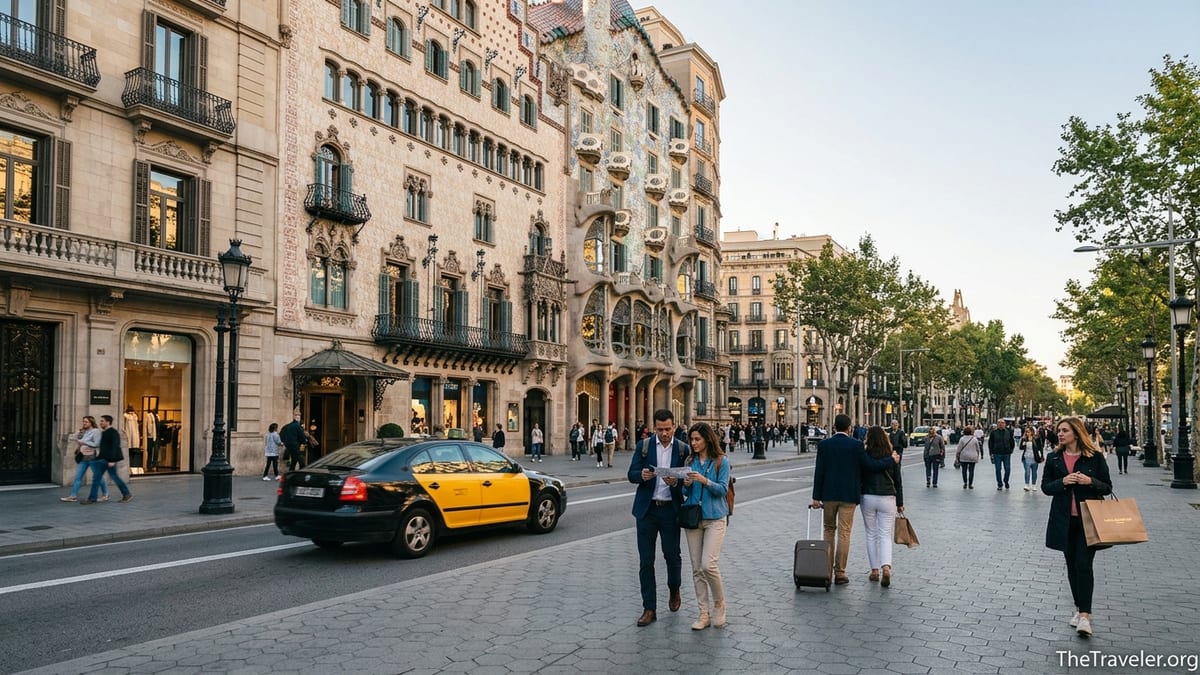
Passeig de Gràcia runs uphill from Plaça de Catalunya toward the Gràcia district, cutting through the Eixample grid and concentrating many of Barcelona’s most visited sights along a single, elegant spine. Knowing this layout before you start booking helps you structure your day logically. Most first‑time visitors focus on the lower and central stretches between Plaça de Catalunya and Avinguda Diagonal, where you will find Casa Batlló, Casa Milà (La Pedrera), and a dense cluster of luxury boutiques and hotels.
Because the avenue is so compact, it is realistic to visit two major Gaudí houses, fit in a leisurely lunch, shop at a few flagship stores and finish with rooftop drinks or a concert in a single day, as long as reservations are sequenced properly. A typical circuit might start at Casa Batlló near the lower end, continue to Casa Milà further up, then loop back down for shopping and dinner. Booking with this geography in mind prevents you from zigzagging between time slots and wasting energy on unnecessary backtracking.
Transport is another element worth thinking through early. Passeig de Gràcia has its own major train and metro hub about halfway up the avenue, with easy connections to the airport and Sants station, and there are plentiful taxis along the boulevard. For evening experiences that end late, such as rooftop events at Casa Batlló or La Pedrera, you may want to book a taxi through an app in advance, particularly if you are staying in a quieter neighborhood away from the center.
Book Gaudí Icons Early: Casa Batlló and La Pedrera
The single most important thing to secure before visiting Passeig de Gràcia is entry to its two star attractions: Casa Batlló and Casa Milà, also known as La Pedrera. Both operate with timed tickets and both are popular enough that walk‑up availability is increasingly rare in high season. Casa Batlló in particular has shifted strongly toward online advance sales, with travel guides noting that general public ticketing is handled digitally rather than through traditional ticket windows, and that same‑day prime time slots often sell out.
If you are traveling between April and October, or around holiday periods, aim to book Casa Batlló at least several days ahead, and a week or more if you want special formats such as the “Magical Nights” rooftop concert series, which pairs an evening visit with live music and a drink on the roof. Recent seasons have seen several different ticket tiers ranging roughly from basic access with an audio guide up to premium tiers that add fast‑track entry and extras like a photo experience. Booking directly through official channels allows you to compare these options side by side and pick a time that aligns with your other plans.
La Pedrera runs a similar timed‑entry system for its daytime visit and a separate “Night Experience,” which combines a guided tour through key spaces with a video‑mapping show on the rooftop and a glass of cava at the end. Official information for 2026 indicates evening sessions of around 1 hour 20 minutes, with adult prices in the upper‑thirty‑euro range for the night visit. Tickets routinely sell out on popular nights. If you dream of watching the chimneys glow against the twilight sky, it is wise to lock in a slot as soon as you know your travel dates, then build your dining and shopping plans around that booking.
For both houses, think strategically about timing. Early morning tickets offer softer crowds and better photo opportunities inside, while late slots allow you to catch golden hour on the rooftops. A practical approach is to reserve Casa Batlló for 9 or 9:30 a.m., break for coffee afterwards, and then schedule La Pedrera either just before lunch or as a dedicated evening highlight, depending on your interests.
Plan Culture Beyond Gaudí: Museums, Rooftops and Events
Although Gaudí dominates many itineraries, Passeig de Gràcia and its immediate surroundings offer additional cultural stops that benefit from advance planning. Several luxury hotels along the boulevard operate rooftop bars with views toward Sagrada Família and the Eixample grid, and they often require reservations for sunset slots, especially on weekends. Booking a table a week in advance can secure you a prime spot without a long wait in the lobby.
Near the top of Passeig de Gràcia, small design‑focused galleries and showrooms sometimes host evening openings, talks or limited exhibitions that require a free RSVP through their own booking systems. While these are more niche than the Gaudí blockbusters, they can add depth to your visit if you are interested in contemporary Catalan design. It is worth checking program calendars of nearby cultural centers in the weeks leading up to your trip and registering for anything that coincides with your dates.
If you hold a multi‑attraction pass such as a modernist architecture card, read the fine print on how time slots are handled. Some passes allow you to visit participating sites freely, but for high‑demand landmarks on Passeig de Gràcia you may still need to pre‑reserve a specific entry time even if the ticket itself is already covered. Travelers sometimes arrive assuming they can walk straight in, only to be told to scan the pass online and choose a later slot, which can disrupt a carefully planned day.
Reserve Dining, From Michelin Stars to Casual Tapas
Passeig de Gràcia is flanked by some of Barcelona’s most in‑demand dining rooms, and reservations are increasingly essential if you want more than a spontaneous snack. A few streets away, Disfrutar regularly appears on world restaurant rankings and holds three Michelin stars. It opens booking windows far in advance and tables can disappear quickly, with some diners securing seats months before a trip. While it is not physically on Passeig de Gràcia, many visitors staying in Eixample pair a day on the boulevard with an evening at Disfrutar, which makes forward planning important.
On Passeig de Gràcia itself, the Mandarin Oriental hotel houses Moments, a Michelin‑starred restaurant by celebrated chefs Carme Ruscalleda and Raül Balam. The hotel advises guests to book ahead and to communicate dietary requirements at least 24 hours in advance, a reminder that serious dining on the avenue is treated as an event in its own right. If you are celebrating a birthday or anniversary, securing a table here or at another top‑tier restaurant nearby can easily become the centerpiece of your Passeig de Gràcia day.
More casual options also benefit from a bit of advance thought. Popular brasseries and tapas bars around the boulevard often accept online reservations for lunch and dinner, and prime terrace tables on Rambla de Catalunya, which runs parallel just a block away, are in high demand on sunny weekends. Booking a 1:30 p.m. lunch slot allows you to relax after a morning of sightseeing without circling for an open table, while a 8:30 or 9 p.m. dinner reservation gives you time to enjoy the evening passeig, or stroll, beforehand.
If you prefer flexibility, consider at least booking one anchor meal, such as a special lunch, and leaving other slots open for serendipitous finds. That way you have a guaranteed culinary highlight without feeling over‑scheduled. For late finishes at rooftop concerts or night tours, you can also look for kitchens that serve on the later side and reserve a light supper for after the event.
Secure Shopping Perks and Personal Services in Advance
Shopping is a major reason many travelers visit Passeig de Gràcia. The boulevard brings together flagship boutiques from international labels such as Dior and Balenciaga alongside upscale Spanish brands and design stores. Several major houses now offer appointment‑based services that can be reserved ahead, including personal shopping consultations, private fitting rooms or click‑and‑collect style pick‑ups for items you pre‑select online. Booking one of these slots before your trip can transform window‑shopping into a more tailored experience.
Recent store information for the Dior boutique on Passeig de Gràcia mentions services such as in‑store pickup and electronic reservations, allowing clients to arrange visits and product holds digitally. Other brands along the avenue offer similar systems for reserving time with a sales advisor or ensuring that specific sizes or items are available on the day you plan to shop. For travelers with limited time in Barcelona, or those aiming to make a significant purchase, confirming such an appointment a week or two ahead reduces the risk of disappointment.
Even mid‑range and niche brands on and around Passeig de Gràcia have adopted booking tools. Aesop, for instance, operates a store nearby and encourages clients to engage with staff for personalized consultations on skincare routines. While you can usually walk in, scheduling a brief consultation on a quieter weekday morning is ideal if you would like unhurried advice and product testing. Similarly, some Spanish fashion labels and concept stores accept informal reservations for styling sessions, often communicated through email or messaging apps.
If you qualify for tax‑free shopping, bring your passport and factor in time at the end of your spree to complete the necessary paperwork, either in‑store or at dedicated desks in department stores off the boulevard. Although you cannot book this step as such, allowing 20 to 30 minutes before closing time avoids a rushed experience and ensures you leave with the documents needed to claim your refund at the airport.
Think Ahead About Accommodation and Transport Logistics
Where you stay relative to Passeig de Gràcia can significantly shape your experience, and accommodation is something best booked well in advance, especially in spring and autumn when Barcelona hosts many major events. Hotels directly on the boulevard range from classic grand dames to contemporary design properties, often with high nightly rates to match their prestigious addresses. Booking a room three to six months ahead usually unlocks a wider choice of room types and may include breakfast or spa packages that are not available at the last minute.
If your budget is more modest, consider hotels and apartments within a short walk, such as along Rambla de Catalunya or in the grid streets of Eixample. These still put you within easy reach of Passeig de Gràcia’s sights while often offering slightly better value. When comparing options, check how close they are to metro and train stations. Staying near the Passeig de Gràcia transport hub makes it straightforward to arrive from the airport by train or bus and to reach other parts of the city for day trips.
Transport bookings themselves can be kept relatively simple, but a few pre‑arranged elements help. If you are landing late at night or leaving very early in the morning, pre‑booking a taxi or airport transfer that knows to pick you up at a specific hotel on or near Passeig de Gràcia can ease anxiety. For daytime movements, a contactless public transport card purchased on arrival will cover most metro and bus journeys without prior reservation, but popular regional trains may require choosing a specific departure time in advance.
Finally, keep in mind that certain citywide events, from major football matches to festivals, can affect both hotel availability and street life around Passeig de Gràcia. Checking the city’s events calendar before you choose dates and locking in a cancellable room gives you flexibility if you later decide the atmosphere will be too crowded or, conversely, if you want to be in the middle of the action.
Time Your Day: Example Itineraries That Depend on Bookings
Pre‑booking on Passeig de Gràcia is not about filling every minute. It is about securing the key pillars of your day so that everything else can unfold smoothly around them. To illustrate how reservations shape reality on the ground, consider a well‑paced example for a first‑time visitor who wants a mix of architecture, shopping and food.
You might reserve a 9:00 a.m. ticket for Casa Batlló, giving yourself an hour and a half to explore with fewer crowds. Afterwards, you could enjoy a late morning coffee at a café just off the boulevard, then browse a few nearby boutiques without fixed appointments, letting the architecture guide your stroll. For lunch, a 1:30 p.m. table booked ahead at a bistro or tapas spot on Rambla de Catalunya ensures you can sit down promptly, which matters if you are traveling with children or older relatives.
In the afternoon, you could schedule a 4:00 p.m. visit to La Pedrera for the standard daytime tour, or opt for the Night Experience and keep the late afternoon free for shopping. If you choose the evening option, you might book a 7:30 p.m. or 8:00 p.m. entry, then reserve a light dinner nearby for after the rooftop show. A pre‑booked taxi or a short walk back to your hotel rounds off the night. Throughout, each small reservation underpins a sense of ease: you know you will enter the houses at set times, you know you have at least one good meal secured, and you can drop into shops without worrying about long queues or closed doors.
A second, more food‑focused itinerary could revolve around a lunch reservation at Moments or a dinner at Disfrutar, with Gaudí visits and shopping orbiting around those anchors. In this case, you would book the restaurant first, often weeks or months ahead, then choose Casa Batlló and La Pedrera time slots on the same day or on adjacent days to avoid rushing between long, multi‑course meals and intense sightseeing. The principle is the same: secure the experiences that are hardest to replace, and keep the rest flexible.
The Takeaway
Passeig de Gràcia rewards the traveler who plans just enough. A handful of reservations for Casa Batlló, La Pedrera, one memorable meal and perhaps a shopping or rooftop appointment can transform a beautiful but potentially crowded avenue into a smooth, deeply enjoyable day. Instead of queuing for tickets or hunting for a free table, you glide between modernist masterpieces, elegant boutiques and buzzing terraces with the confidence of someone who understands how the street works.
At the same time, leave room for spontaneity. Some of Passeig de Gràcia’s greatest pleasures are unscripted: a hidden courtyard glimpsed through an open doorway, a local brand you have never heard of, or a street musician whose sound drifts up between the grand façades. By booking the key pieces before you arrive and keeping the margins open, you give yourself the best chance to experience both the iconic and the unexpected sides of Barcelona’s most famous boulevard.
FAQ
Q1. How far in advance should I book Casa Batlló tickets?
For visits between spring and early autumn, try to book Casa Batlló at least several days ahead, and one to two weeks in advance if you want premium or evening concert options.
Q2. Is it necessary to reserve La Pedrera’s Night Experience?
Yes. The Night Experience has limited capacity and often sells out on weekends and holidays, so booking as soon as you know your travel dates is strongly recommended.
Q3. Can I visit both Casa Batlló and La Pedrera on the same day?
Absolutely. Many visitors see both in one day by booking a morning slot at Casa Batlló and an afternoon or evening visit at La Pedrera, with lunch and shopping in between.
Q4. Do I need restaurant reservations near Passeig de Gràcia?
For Michelin‑starred restaurants and popular terraces, reservations are essential, especially on Thursday to Saturday nights. Casual spots sometimes accept walk‑ins but may involve a wait.
Q5. Should I book shopping appointments on Passeig de Gràcia?
For luxury brands or if you are planning a significant purchase, booking a personal shopping or in‑store pickup appointment ensures better service and product availability.
Q6. Is it worth booking a hotel directly on Passeig de Gràcia?
Staying on the boulevard is convenient and atmospheric but can be expensive. Booking early helps secure better rates; nearby Eixample streets can offer similar convenience at lower prices.
Q7. Can I rely on public transport without advance bookings?
Within Barcelona you usually do not need to reserve public transport. However, late‑night airport transfers or early morning departures are easier with a pre‑booked taxi or car service.
Q8. Do modernist passes remove the need for reservations?
Not entirely. Even if a pass covers your ticket, many high‑demand sites still require you to reserve a time slot in advance to manage visitor flow.
Q9. Are rooftop bars on Passeig de Gràcia walk‑in friendly?
Some accept walk‑ins at off‑peak times, but sunset and weekend evenings often require reservations. Booking ahead secures a table and avoids lobby queues.
Q10. What should I do if a time slot is sold out online?
If your preferred time is unavailable, try alternative hours or adjacent days. For fully sold‑out dates, consider rearranging your itinerary or focusing on other attractions and experiences nearby.