


G Adventures has become one of the most recognizable names in small group adventure travel, with trips that range from budget-friendly backpacker routes in Southeast Asia to National Geographic-branded journeys in Africa. Before you hand over a deposit for that dream itinerary to Costa Rica, Morocco or Peru, it is worth understanding how the company operates in practice, what is and is not included in the price, and the kind of traveler who tends to be happiest on these tours. This guide walks through the key details and real-world examples you should know before you book.
Get the latest updates straight to your inbox!
Who G Adventures Is Right For (and Who It Is Not)
G Adventures positions itself as a small group adventure specialist and a social enterprise, with most groups averaging around 10 travelers and a focus on using local accommodation, transport and experiences rather than big international chains. For many travelers, particularly solo travelers and first-time visitors to a region, that combination of structure and independent feel can be appealing. Recent coverage from organizations like AAA, which announced a partnership with G Adventures in 2026, highlights that many North American travelers choose the company when they want a guided experience but dislike large coach tours.
In practice, G Adventures can work very well if you are comfortable with some unpredictability and do not need luxury. A typical "Classic" itinerary such as a 15-day Highlights of Morocco trip or a week-long Costa Rica Adventure uses clean, simple hotels, local guesthouses and public or private buses. Travelers often praise the immersive experiences, like staying with a Berber family in the Atlas Mountains or visiting a community-run wildlife project in Costa Rica, but some are surprised by long travel days, basic rooms or limited hot water. If you expect polished resort-style comfort, these trips will probably feel too rustic.
On the other hand, if you are the kind of traveler who enjoys hostels, local buses and street food when you travel independently, a G Adventures tour can feel like having logistics and safety handled while keeping the spirit of backpacking. You still need to carry your own luggage, occasionally share bathrooms and cope with early starts, but you benefit from a local guide who navigates things like bus tickets, language barriers and park permits. That trade-off appeals particularly to solo travelers and people in their 20s to 40s who want company on the road.
The travelers who tend to be unhappiest are those who assume the word "tour" means everything will be fully controlled and smooth. Because G Adventures uses small, often locally run suppliers, itineraries can and do change. Road closures can alter a planned game drive in southern Africa, ferry schedules can disrupt island-hopping in Thailand, and weather can cancel a planned hike in Patagonia. The company is upfront in its terms that flexibility is required, but it is important to internalize that before you pay.
Understanding Travel Styles, Ages and Group Dynamics
Picking the right G Adventures travel style is at least as important as choosing the right destination. The company organizes its trips into categories such as Classic, 18-to-Thirtysomethings, Active, National Geographic Journeys and Family. Each style has its own expectations for comfort level, age range and pace. For example, an 18-to-Thirtysomethings Thailand Full Moon Party tour will likely include hostels, late nights and a party-heavy atmosphere, while a National Geographic Journeys safari in Kenya will lean more toward upgraded lodges, more comfortable transport and a slower pace.
If you are in your early 30s and want to meet other solo travelers, you might be torn between 18-to-Thirtysomethings and Classic. In reality, Classic departures often attract a wide range of ages, from late 20s to 60s, with a mix of couples and solo travelers. An 18-to-Thirtysomethings trip has a stated age band, so you can count on being with others in a similar life stage, but you must be comfortable with a more budget-conscious and social atmosphere. Online trip reports in early 2026 from travelers on 18-to-Thirtysomethings Costa Rica or Balkan itineraries frequently mention group nights out, shared dorm-style rooms on some nights and early morning buses the next day.
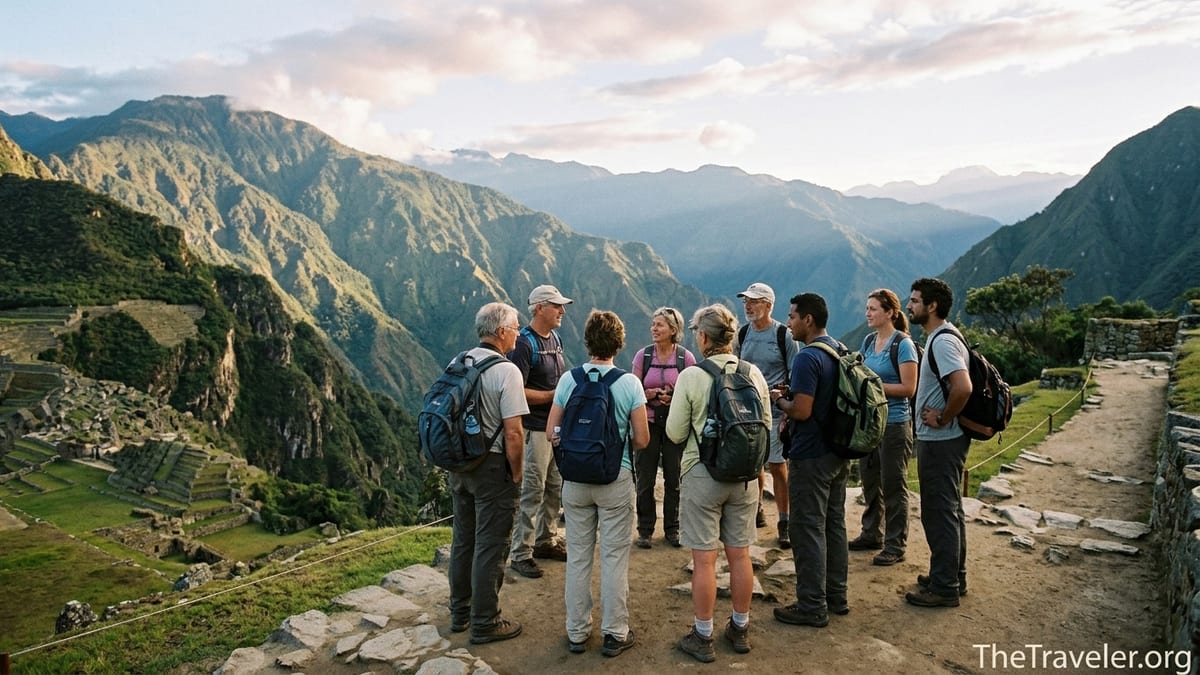
Group dynamics can make or break a trip, and that is true with G Adventures. A 10-person group hiking the Inca Trail may bond quickly and share meals, while a larger 16-person Classic group in Vietnam might naturally split into smaller clusters. You do not get to pre-approve your group, so you should be mentally prepared for a mix of personalities and travel experience levels. Some travelers on recent Morocco and southern Africa tours have reported frustration when less prepared fellow travelers arrived without the right gear or fitness, which slowed down activities. When you book, look at the “physical rating” and daily itinerary and assess honestly whether you and your travel companions will be comfortable.
Finally, it helps to research whether a tour tends to attract mostly solo travelers or couples. Many of the 18-to-Thirtysomethings and new "solo-ish" trips, launched in 2026 in destinations like Portugal and Costa Rica, are designed so solo travelers can book a private room and still join group activities. That can be ideal if you want your own space at night but do not want to travel entirely alone. By contrast, some National Geographic Journeys departures skew more toward couples and small groups of friends, which can feel different if you are arriving solo and hope for a more social vibe.
What Your Trip Price Really Includes (and What It Does Not)
One of the most common sources of confusion for first-time G Adventures customers is what the advertised price includes. Compared with some all-inclusive coach tours, G Adventures trips usually include accommodation, the services of a Chief Experience Officer (CEO), most on-the-ground transport and a limited number of meals and activities. The rest is intentionally left open so you can choose how to spend your free time. That structure can keep the base price lower, but it also means your real trip cost will likely be higher than the headline number on the website.
Take a sample 8-day Costa Rica Quest itinerary. The listed price may cover simple hotels, private transfers between destinations like San José, La Fortuna and Monteverde, and some activities such as a guided walk in a cloud forest reserve. Breakfast might be included most days, but lunches and dinners are frequently at your own expense. Optional paid activities, such as a canopy zip-line in Monteverde or a whitewater rafting day near La Fortuna, can each add roughly 60 to 100 US dollars. Over a week, a traveler who opts in to several excursions and eats at mid-range restaurants can easily add 300 to 500 dollars in extras.
The same pattern appears on longer trips. A two-week Classic itinerary in Vietnam may include a Halong Bay cruise, some city tours and entrance fees for key sites, but cooking classes, bicycle tours through rural villages and street food experiences are offered as optional extras. This is not necessarily a bad thing, since many travelers enjoy choosing their own add-ons, but you should make a realistic budget before you commit. G Adventures typically lists “included” and “optional” activities on each trip page, and reading those carefully will give you a working estimate of how much cash you will need.
Flights are another key point. International airfare to and from the start and end point is almost never included in the tour price, and internal flights within a country are only sometimes included on more premium itineraries. A traveler booking a Peru trip from the United States, for example, might need to purchase a separate ticket from Lima to Cusco if it is not built into the package. Similarly, arrival transfers from the airport to the starting hotel are not guaranteed unless specifically noted. If you assume those elements are included and plan accordingly, you could be caught off guard by several hundred extra dollars in costs.
Deposits, Lifetime Deposits and Cancellation Rules
G Adventures has a distinctive deposit and cancellation system that can be attractive if your plans change frequently, but it is not as simple as “fully flexible.” When you book, you typically pay a deposit that varies by trip type and region. The company moved away from a flat deposit system several years ago and now uses a tiered structure. The deposit is non-refundable in cash, but under many circumstances it becomes what G Adventures calls a Lifetime Deposit, which you can use toward a future trip if you need to cancel.
The Lifetime Deposit policy sounds generous and can be very useful, yet there are important limitations buried in the booking terms. For a start, the deposit usually only converts to a Lifetime Deposit if you cancel for reasons other than non-payment or a serious breach of terms. If you miss a payment deadline or break participation rules, you can lose it outright. Lifetime Deposits generally cannot be used on the same or similar travel dates as your original booking, and some special products, such as certain TailorMade itineraries or expedition cruises, may have more restrictive terms.
Beyond the deposit, standard cancellation fees increase as you get closer to departure. While the exact percentages can change and differ by product, it is common in the wider adventure travel industry to forfeit a greater share of the trip price if you cancel within 60, 30 or 15 days of the start date. G Adventures’ current US terms follow that general pattern, meaning that if you cancel close to departure, you might receive little or no cash refund and will instead rely on your Lifetime Deposit to rebook later. For a traveler who cancels a 3,000 dollar trip six weeks out, that can be a painful surprise.
This structure makes travel insurance with trip cancellation benefits especially important. If you book a two-week National Geographic Journeys safari in Tanzania or Namibia, for example, and a family emergency forces you to cancel 20 days before departure, a robust travel insurance policy purchased at the time of booking may reimburse you for the nonrefundable portion that G Adventures keeps. The company sells insurance through partners, but many travelers prefer to purchase their own policy to compare coverage levels and price. Either way, you should read both the tour operator’s terms and your insurance certificate carefully before you rely on either.
Safety, Risk and How G Adventures Handles Problems
Adventure travel always involves some risk, and G Adventures trips are no exception. Hiking at altitude in the Andes, traveling overnight by bus in Central America or taking small boats between Indonesian islands come with inherent hazards. G Adventures emphasizes small group safety, mentioning in its 18-to-Thirtysomethings guidance that traveling as a group with a knowledgeable CEO provides a safety net that solo travelers might not have on their own. Many recent trip reports from Costa Rica, Peru and Eastern Europe echo that travelers felt more confident walking around towns in small groups or following guide recommendations on safe areas.
That said, G Adventures is not an all-inclusive protective bubble. Local conditions matter. For example, some travelers on a Costa Rica Adventure itinerary in 2025 reported encountering petty crime concerns and heightened police presence in certain towns, which affected their sense of safety in the evenings. In destinations with complex security situations, such as certain parts of southern Africa or South America, the company may adjust routes, change accommodation or shorten stays in response to evolving advice. That flexibility helps mitigate risk, but it can also mean last-minute changes to the experience you expected when you booked.
When problems occur, such as missed highlights, transport disruptions or accommodation issues, traveler experiences vary. Some recent reviews describe CEOs who went out of their way to reorganize activities, negotiate refunds or arrange alternative excursions when something went wrong. Others describe frustration when major itinerary elements were dropped with limited compensation, particularly on overland trips where local partners handled transport and campsites. On a southern Africa overland tour, for instance, a traveler in 2025 reported that a planned game drive in a well-known park was replaced with a shorter, less impressive alternative without clear explanation, leaving the group feeling shortchanged.
The company gathers post-trip feedback through online surveys, and some travelers have noted that guides can feel pressure to earn perfect scores. In one long review of a Highlights of Morocco tour published in June 2026, the traveler recounted a farewell dinner where the CEO suggested anything less than a top score might damage his job prospects. That does not mean G Adventures ignores negative feedback, but it does suggest you should provide balanced, honest comments and perhaps share detailed concerns directly with the company if you feel your experience fell significantly short of what was advertised.
Price, Value and How G Adventures Compares
On a price spectrum, G Adventures usually sits between bare-bones backpacker options and high-end fully guided tours. Compared with booking everything yourself, you might pay more than an ultra-budget traveler but less than a premium operator that focuses on four- and five-star hotels. A week-long Classic itinerary in Central America or Southeast Asia might be priced in the low to mid four figures in US dollars, excluding flights, while a two-week National Geographic Journeys safari or a Galápagos cruise can easily climb to several thousand dollars per person.
To judge value, compare G Adventures itineraries with similar offerings from competitors like Intrepid Travel or small regional operators. For example, an 8-day Classic Italy tour might include city walking tours and a farm stay in Tuscany, while a comparable Intrepid itinerary could use slightly different hotels and include a cooking class instead of a wine tasting. Prices can be close, so the deciding factors often come down to travel style, group size, and how much the company emphasizes responsible travel. G Adventures markets itself heavily as a community tourism champion, partnering with local social enterprises and community projects, which might matter to you if you prioritize that kind of impact.
Promotions can also make a difference. G Adventures regularly runs sales on certain departure dates, particularly shoulder-season trips to destinations like Peru, Jordan or Sri Lanka. A traveler flexible enough to travel in May instead of July could save a noticeable amount. However, deeply discounted departures may have fewer seats left or be more likely to run with smaller groups, which some travelers enjoy and others do not. If a 15-day tour shows a significant discount for a date two weeks earlier than your ideal, ask yourself whether shifting your schedule is worth the savings.
Lastly, consider the value of your time and stress level. For some people, the greatest advantage of a G Adventures trip is not the daily hotel or bus itself, but the fact that the entire route, from airport pickup to departure, has been designed and tested. A solo traveler who works long hours may happily pay extra to avoid spending evenings comparing bus timetables and guesthouse reviews in Spanish or Thai. For a backpacker who thrives on that type of planning and negotiation, the same markup may feel unnecessary.
How to Read Itineraries and Manage Expectations
Before booking, it is worth spending an hour scrutinizing the day-by-day itinerary, not just the glossy highlights. Pay attention to how many “travel days” the tour includes and what form of transport is used. On a 10-day Vietnam adventure, seeing three overnight trains and two internal flights in the fine print tells a different story than the photo gallery alone. A Classic India trip might list multiple long drives between cities that, while scenic, mean early departures and late arrivals at hotels. If you dislike frequent packing and unpacking, you may want an itinerary with more two- or three-night stays in each location.
Meal descriptions also matter. “Breakfast included” is straightforward, but “lunch on your own” and “dinner on your own” repeated day after day means you will spend a fair amount of time finding restaurants and paying separately. For many, that is part of the fun: eating tacos from a street stall in Oaxaca or trying a family-run restaurant in Dubrovnik. For others, particularly those with strict dietary needs or who dislike restaurant decision-making, it can feel like extra work compared with an all-inclusive resort.
Accommodation notes provide another window into what to expect. On certain 18-to-Thirtysomethings itineraries in Europe or Central America, the description may specify multi-share rooms or basic hostels for some nights, while Classic trips will more often mention twin-share hotel rooms. Active trips that involve trekking can include camping or mountain refuges where facilities are shared and simple. Reading independent reviews of specific trips, not just the company brand, can give you a more nuanced view of how “basic” or “comfortable” these options feel in reality.
Finally, check the physical rating and altitude information if relevant. A trek-focused trip to Everest Base Camp or the Inca Trail is not the right place to suddenly discover that you dislike steep climbs or are sensitive to high altitude. The trip notes usually indicate maximum elevations, average daily hiking hours and whether porters or pack animals carry your main luggage. If you are unsure, call G Adventures or speak with a knowledgeable travel advisor to match the trip demands to your fitness level. This step alone can prevent many of the negative experiences travelers later describe online.
The Takeaway
Booking a tour with G Adventures can be a rewarding way to see the world, particularly if you value small groups, local experiences and the ease of having core logistics handled for you. The company’s long presence in the adventure travel space and its emphasis on community tourism give it credibility, and thousands of travelers each year come home with positive stories of guides who went above and beyond, friendships formed on overnight trains and wildlife encounters in places they might not have reached on their own.
At the same time, a G Adventures trip is not a plug-and-play package where everything is smooth, luxurious or all-inclusive. To avoid disappointment, you should go in with clear eyes about what is included, how deposits and cancellations work, and the level of comfort and flexibility required. That means carefully choosing the right travel style, reading the detailed trip notes, budgeting for optional extras and meals, and honestly assessing your appetite for basic accommodation, long travel days and changing plans.
If you do that homework and pick a trip that matches your personality and expectations, G Adventures can be a strong option among small group operators. If you want guaranteed comfort, tightly controlled itineraries and minimal surprises, you may be better off with a more traditional tour company or an independent trip planned around higher-end hotels. In the end, the best choice is the one that fits both your travel dreams and your tolerance for adventure.
FAQ
Q1. Are G Adventures trips suitable for first-time solo travelers?
Yes, many G Adventures trips work well for first-time solo travelers, especially Classic, 18-to-Thirtysomethings and the newer "solo-ish" itineraries. You travel with a group and a CEO who handles logistics, but still have free time to explore. Just make sure you are comfortable sharing space, adapting to group dynamics and handling a moderate level of independence during free time.
Q2. How far in advance should I book a G Adventures tour?
Popular trips, such as Inca Trail departures, Galápagos cruises and peak-season safaris, can sell out several months in advance. For these, booking 6 to 9 months ahead is wise. For more common routes, like week-long Central America or Europe trips, many travelers successfully book 2 to 4 months before departure, especially if they are flexible on dates and room type.
Q3. How much extra money should I budget beyond the tour price?
The answer depends on destination and travel style, but it is common to spend several hundred dollars on optional activities, meals and tips on a week-long trip. For example, on an 8-day Costa Rica itinerary, travelers often budget an additional 300 to 500 US dollars for zip-lining, hot springs, restaurant meals and incidentals. Longer and more activity-heavy trips can require more.
Q4. What is a Lifetime Deposit and can I get my money back?
A Lifetime Deposit is G Adventures’ term for a deposit that can be carried forward to a future trip if you cancel under certain conditions. It is usually not refundable in cash. Instead, you can apply it toward another departure or even gift it to someone else, subject to the company’s current rules. You still need to pay attention to deadlines and product-specific terms, because late cancellations may incur additional nonrefundable charges beyond the deposit.
Q5. How basic is the accommodation on G Adventures trips?
Accommodation ranges from simple hotels and guesthouses on Classic trips to hostels and multi-share rooms on some 18-to-Thirtysomethings itineraries, and lodges or upgraded hotels on National Geographic Journeys. Bathrooms may be private or shared, depending on the specific trip. If you are used to international three-star hotels, most Classic trips will feel roughly comparable, while some budget and trek-focused itineraries will feel more rustic.
Q6. Is G Adventures a good option for older travelers?
Yes, many Classic, National Geographic Journeys and some Active itineraries attract travelers in their 40s, 50s and 60s. The key is choosing a trip with an appropriate physical rating and comfort level. Older travelers who prefer more space and amenities often gravitate toward Journeys or less physically demanding Classic tours, and some choose to pay extra for private rooms where available.
Q7. What happens if G Adventures changes the itinerary after I book?
Itineraries can change because of weather, safety concerns, local events or supplier issues. In practice, you might see a different hotel used, a sightseeing day reordered or, in rarer cases, a major highlight replaced. G Adventures states that it aims to offer an equivalent experience, but compensation varies. If a key element is removed, you can discuss options with your CEO on the trip and follow up with customer service afterward if you feel significantly impacted.
Q8. Are flights included in the tour price?
International flights to and from the tour’s start and end points are almost never included, and internal flights are only sometimes included on specific itineraries. Most travelers book their own airfare separately, either directly with airlines or through a travel advisor. Always check the “What’s Included” section for your specific trip so you know which segments, if any, are covered by the tour price.
Q9. Do I need travel insurance for a G Adventures trip?
G Adventures strongly recommends, and in some cases requires, comprehensive travel insurance that includes medical coverage and evacuation. For more expensive trips, it is also wise to include trip cancellation and interruption benefits, since the company’s standard terms mean that close-in cancellations can be largely nonrefundable. Many travelers purchase a policy at the time of booking to ensure pre-existing condition coverage where applicable.
Q10. How do G Adventures trips compare with booking independently?
Booking independently can be cheaper for very budget-conscious travelers or those comfortable arranging local transport and accommodation on their own, especially in regions with strong backpacker infrastructure. G Adventures usually costs more than a do-it-yourself trip, but offers the convenience of a tested itinerary, the social aspect of a small group and the safety net of a local CEO. The best choice depends on whether you value independence or ease and group support more.