


Grand Cayman’s Crystal Caves are one of the island’s standout inland adventures: a 90‑minute guided walk through humid forest trails and dramatically lit caverns with uneven, sometimes damp ground. To enjoy it instead of worrying about slipping, sweating, or being eaten alive by mosquitoes, what you wear matters just as much as your ticket. This guide breaks down exactly how to dress and pack for the Crystal Caves so you stay comfortable and camera‑ready from the parking lot to the last stalactite.
Get the latest updates straight to your inbox!
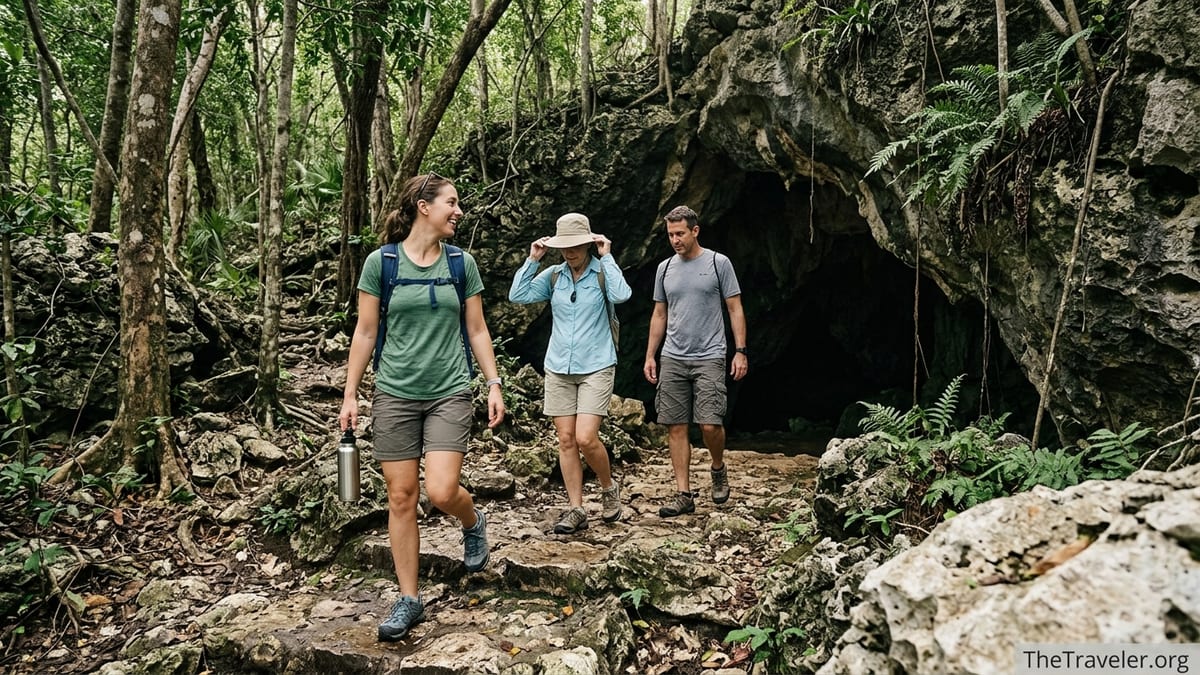
Understanding the Crystal Caves Experience
The Cayman Crystal Caves sit in Grand Cayman’s North Side district, away from the breeze of Seven Mile Beach. Tours are guided only and typically last about 1.5 hours, including short walks on forest paths and time inside three caves, where you navigate steps, narrow passages, and moist limestone surfaces. Cruise lines like Norwegian and independent operators all describe this as a walking tour on uneven terrain rather than a simple boardwalk stroll, and visitors frequently note that some sections feel damp underfoot.
Above ground, you are in tropical dry forest, which can be hot and sticky even in winter. Grand Cayman’s average daytime highs hover in the mid‑80s to around 90 degrees Fahrenheit for much of the year, with high humidity and sudden showers possible at any time. Inside the caves, the temperature is cooler but still warm and humid, and the rock can be slick from constant moisture. Together, this mix of heat, humidity, and variable footing is why your footwear and clothing choices are more important here than for a casual beachside walk.
The site’s own guidance and cruise‑excursion descriptions encourage “comfortable attire and walking shoes,” while tour operators and past visitors strongly recommend closed‑toe footwear with a decent grip. You will also spend a meaningful chunk of time standing while your guide explains formations and history, so anything you wear should be comfortable for at least two hours of slow walking and standing in warm air.
Because the experience blends outdoor jungle‑style walking with time underground, think of your Crystal Caves outfit as a light hiking setup adapted to Caribbean heat: breathable fabrics, stable shoes, minimalist layers, and a small day bag with only what you genuinely need.
The Most Important Choice: Shoes for Uneven, Damp Ground
If you get only one thing right for the Crystal Caves, make it your footwear. The paths and cave floors include uneven rock, occasional puddles, and sets of steps that can feel slippery in spots. Cruise operators serving the attraction “strongly encourage” closed‑toe shoes due to uneven walking conditions and surfaces, and local guide companies echo that advice. Think of the terrain as somewhere between a well‑used nature trail and a developed cave with carved steps: not technical hiking, but absolutely not flip‑flop friendly.
The safest and most comfortable choices are lightweight walking or hiking shoes with a closed toe and a textured rubber sole. Trail‑style sneakers such as the Merrell Moab, Columbia Vent, or similar designs from Adidas Terrex or Salomon work well because they combine breathability with grip. Regular athletic running shoes are also fine if their soles are not worn smooth. Many visitors report being happy in standard trainers like Nike Pegasus or Brooks Ghost, provided they had good tread and laces adjusted snugly.
What you should avoid are open sandals, flimsy fashion sneakers, or any shoe that slides around on your foot. Pool flip‑flops, espadrilles, backless sandals, and platform slides can all be dangerous on damp limestone and narrow steps. Simple rubber “water shoes” without cushioning can also become uncomfortable when you are walking and standing for more than an hour, and their thin soles may slip more easily on polished rock. If you only travel with sandals, opt for a robust, hiking‑style closed‑toe sandal such as a Keen Newport or similar design with a rubber toe cap and ankle strap, but closed athletic shoes still offer better protection against stubbed toes and slick patches.
Consider socks as part of your footwear system. Thin, quick‑dry synthetic or merino socks help prevent blisters in the heat and dry faster if they get damp from sweat or small puddles. Avoid thick cotton athletic socks that soak up moisture and stay wet. A single lightweight pair is enough; you will not need heavy hiking socks in Grand Cayman’s climate.
Lightweight, Breathable Clothing for Tropical Heat
The Crystal Caves visit is short enough that you do not need technical expedition gear, but the combination of sun, humidity, and limited airflow inside the caves means your clothing should prioritize breathability. Average daytime temperatures around the island are usually in the low to high 80s Fahrenheit, and the North Side’s forest interior can feel warmer without the constant sea breeze, especially in the wet season when humidity spikes.
For tops, choose light, moisture‑wicking fabrics similar to what you might wear for a walk on a hot summer day. Short‑sleeve or sleeveless activewear shirts in polyester or merino blends work well. A simple running T‑shirt from brands like Nike, Decathlon, or Uniqlo’s Airism line, or a loose linen‑blend short‑sleeve shirt, will feel much better than a heavy cotton tee that sticks to your back as you sweat. If you are sun‑sensitive and know you will be combining the cave tour with outdoor stops like Rum Point later in the day, a thin, long‑sleeve UV shirt can double as both sun and bug protection while you are on the forest trail sections.
For bottoms, quick‑dry shorts or lightweight hiking trousers are ideal. Many visitors are comfortable in knee‑length athletic shorts or breathable capris. If you prefer more coverage against insects and rough surfaces, choose thin, full‑length pants in nylon or a stretch hiking fabric. Travel trousers from brands such as Prana, Columbia, or REI’s house line are designed for this kind of warm‑weather walking. Heavy denim jeans are not recommended; they trap heat, feel unpleasant if they get damp, and take forever to dry in humid Caribbean air.
Most travelers will not need a warmer layer in the caves, since the environment is warm and humid rather than cold. However, if you are particularly sensitive to temperature changes or visiting in the coolest part of the dry season and going straight from air‑conditioned buses or ships, a very lightweight, packable layer like a thin long‑sleeve overshirt or sport hoodie can be tied around your waist and used only if you feel chilled. In practice, most people end up wishing they were wearing less, not more.
Dealing With Bugs, Sun, and Rain
The Crystal Caves property is surrounded by tropical vegetation, and visitors routinely mention mosquitoes, especially in the wetter months or after rain. A small bottle of insect repellent is one of the most useful things you can pack. Many travelers bring a standard DEET‑based spray like OFF! Deep Woods or a picaridin lotion such as Sawyer, applied before entering the forested paths. If you prefer natural options, oil‑based products with lemon eucalyptus can help, but reapply more frequently in the heat.
Because the caves are inland, you do not benefit from the same constant sea breeze that keeps bugs down on exposed beaches. Long, lightweight sleeves and pants in quick‑dry fabrics can reduce the amount of skin you need to spray and make the experience more comfortable, particularly for children or anyone who reacts strongly to bites. It is wise to apply repellent before stepping onto the nature trails, not once you are already surrounded by trees.
Rain is another factor to keep in mind. Grand Cayman can experience fast, localized showers that blow through in minutes. The Crystal Caves tours run in light rain, and much of the above‑ground walking is on paths that can become slick or muddy when wet. Rather than a heavy raincoat, pack a compact, breathable rain shell or a thin poncho you can fold into your day bag. A simple packable jacket, such as those sold by Uniqlo, Columbia, or similar brands, is usually enough: it keeps you from getting drenched on the walk between caves without turning into a sauna once the sun comes back out.
Sun exposure is limited while you are inside the caves but more significant in the parking area, around the open‑air facilities, and on short open sections of trail. A broad‑brimmed hat or cap and a small tube of reef‑safe sunscreen are useful for the time before and after your tour, particularly if you combine your visit with stops at nearby beaches or viewpoints. Focus your heaviest sun protection on your shoulders, neck, and the backs of your hands and legs, which are most exposed while you are standing and listening to the guide outside.
What to Pack in Your Day Bag
You do not need a large backpack for the Crystal Caves, but a compact day bag makes the visit more comfortable and keeps your hands free on steps and narrow sections. A small 10‑ to 20‑liter daypack or even a crossbody sling bag is adequate. Many visitors arrive by cruise ship excursions and bring something the size of a school backpack just big enough for a few essentials.
Water is the single most important item to include. The walking portion is not a strenuous hike, but the combination of heat and humidity means you will sweat more than you might expect. A reusable bottle in the 16 to 24 ounce range is usually sufficient for the tour itself, especially if you drink beforehand at your hotel or on the bus. Some visitors prefer insulated stainless‑steel bottles to keep water cool in the sun, while others are happy with a simple plastic bottle purchased from a supermarket in George Town before boarding their excursion.
A small travel‑size insect repellent and a compact, packable rain layer are next on the list. Add a microfiber travel towel or a simple bandana if you are someone who overheats easily, as you can use it to pat away sweat or dampness. A lightweight folding hand fan can also be a welcome comfort item during still, humid sections of the tour, and is easy to tuck into a side pocket. If you wear prescription glasses, a soft pouch or hard case stored securely in your bag will keep them from fogging and being wiped with sandy or damp clothing.
Consider how you will carry your valuables. The caves themselves are relatively low‑risk spaces, but it is still best practice to bring only what you need: your ID, a bank card, a bit of local or U.S. cash, and your phone or camera. A small, flat money belt or a crossbody pouch that stays on your body even if you put your backpack down makes life easier. Large beach bags, laptops, and bulky shopping totes are better left in your accommodation or on your ship.
Protecting Cameras, Phones, and Other Electronics
The Crystal Caves are visually spectacular, and nearly every visitor wants photos. Conditions inside, however, are not ideal for electronics: it is humid, often dripping, and you will be navigating steps and occasionally ducking under low rock formations. Plan for how you will protect your phone or camera while keeping both hands available when you need them.
Smartphones are the most common choice, and they usually perform well in the relatively low‑light environment thanks to modern sensors. To keep your phone secure, use a wrist strap or lanyard case so that if you slip or bump into another person, you are less likely to drop it on hard limestone. A basic clear waterproof pouch, the type often sold in Caribbean gift shops and online for a modest price, adds reassurance against drips or sudden downpours outside but is not strictly necessary if you are cautious and keep the phone in a pocket when not shooting.
If you bring a dedicated camera, a small mirrorless body or compact travel camera is easier to manage than a full‑size DSLR with a large lens. A mid‑range zoom, such as a 24–70 mm equivalent, is versatile enough to capture both wide cave chambers and closer details of stalactites and stalagmites. Use a camera strap cross‑body style so both hands remain free for railings and balance. Because of conservation and other visitors, flash photography may be discouraged or limited; increasing ISO sensitivity and bracing yourself against railings or rocks (where permitted) will help you capture sharp images in the dimmer sections.
For any electronics, condensation is a possibility when moving from air‑conditioned buses into humid caves. Keeping devices in your bag for a few minutes between environments allows them to acclimatize more gradually. A couple of small silica gel packets in your camera pouch can help, and a simple microfiber cloth is invaluable for wiping lenses that fog or pick up water droplets.
What Not to Wear or Bring
A few common clothing and gear choices are best avoided on a Crystal Caves visit. The first is anything on your feet that is not securely attached or lacks grip. Flip‑flops, thin leather sandals, fashion slides, and heeled shoes are poorly suited to damp steps and uneven rock surfaces. They also leave your toes fully exposed to stubbing on low rocks. Even if you wear sandals around resorts and beaches, it is worth packing at least one pair of closed walking shoes specifically for this kind of inland excursion.
Heavy or restrictive clothing is another issue. Thick denim shorts, tight jeans, fitted long pants in non‑stretch cotton, and heavy hoodies can quickly become uncomfortable in the heat and humidity, turning the tour into an exercise in endurance rather than enjoyment. Similarly, long dresses or loose maxi skirts that drag near your ankles can get caught on rough ground or soaked in puddles, and they are awkward on steep staircases. If you love dresses, opt for a knee‑length, loose cotton or linen style that lets you lift your feet freely.
Avoid carrying bulky, unsecured bags. Oversized tote bags without zippers, open beach bags, and large handbags that you need to hold by hand can become a nuisance when you need two hands for railings or balance. Anything that cannot be closed invites the risk of a phone, lens cap, or wallet bouncing out if the bag tips on stairs. Where possible, downsize to a small zippered backpack or crossbody bag for the tour itself, leaving larger luggage on your ship, in a hotel safe, or with a trusted companion staying outside.
Finally, think twice about excessive jewelry or accessories. Dangling earrings, long necklaces, and stacks of bangles can snag on narrow rock passages or on other people in close quarters. Wide‑brimmed hats that are floppy or unsecured might be awkward in low‑ceiling areas and may block other visitors’ views. Keeping things simple and streamlined makes it easier to move comfortably and keeps your focus on the cave formations instead of your outfit.
The Takeaway
Planning what to wear to Grand Cayman’s Crystal Caves is less about buying specialized gear and more about combining a few smart choices: secure closed‑toe shoes, breathable clothing suited to tropical heat, light bug and rain protection, and a small, well‑organized bag. Treat the experience like a short, guided nature walk that happens to dip underground into spectacular caverns, and dress as you would for a warm‑weather hike rather than a beach afternoon.
In practice, this might look like a moisture‑wicking T‑shirt, quick‑dry shorts or thin hiking trousers, lightweight socks, and trail or walking shoes with good grip. Add a compact daypack holding a water bottle, insect repellent, a packable rain shell, your phone or camera, and perhaps a small hand fan, and you will be fully prepared for the 90‑minute outing. Skip the flip‑flops, long trailing skirts, and heavy fabrics, and leave unnecessary electronics and bulky bags behind.
When you are dressed comfortably and prepared for heat, humidity, and a bit of uneven ground, the focus of your Crystal Caves visit becomes what it should be: watching shafts of light hit underground lakes, spotting bats overhead, and seeing thousands of years of limestone formations up close. A little packing strategy before you arrive means a far more relaxed, memorable experience once you are under the island’s surface.
FAQ
Q1. Do I have to wear closed‑toe shoes at the Crystal Caves?
Closed‑toe shoes are strongly recommended because the paths and cave floors are uneven and can be damp or slippery. While some operators phrase it as a recommendation rather than a strict rule, wearing secure walking shoes significantly reduces your risk of slips and stubbed toes, and local guides consistently advise them.
Q2. Are flip‑flops or beach sandals acceptable for the tour?
Basic flip‑flops and loose beach sandals are a poor choice. They offer little traction, can slide off on steps, and leave your toes exposed. If you prefer sandals, choose a sturdy, closed‑toe hiking style with a solid rubber sole and heel strap, but regular athletic shoes are usually safer and more comfortable.
Q3. Will I be cold inside the caves and need a jacket?
The Crystal Caves are warm and humid rather than cold. Most visitors are comfortable in lightweight summer clothing without any extra layers. If you are particularly sensitive to cooler temperatures or are coming directly from strong air conditioning, a very thin, packable long‑sleeve layer is more than enough.
Q4. What type of clothing is best for the humidity?
Breathable, quick‑dry fabrics work best: moisture‑wicking T‑shirts, athletic shorts, or lightweight hiking trousers. Avoid heavy cotton and denim, which soak up sweat and feel sticky. Loose fits that allow air circulation will keep you far more comfortable as you move between hot forest paths and humid caves.
Q5. Should I bring insect repellent, and what kind?
Yes, insect repellent is a smart addition, especially in wetter months or after rain. A small DEET‑ or picaridin‑based spray or lotion is effective and easy to apply before entering the forested areas. If you prefer natural formulas, choose one with lemon eucalyptus oil and reapply more frequently in the heat.
Q6. Is a rain jacket necessary for the Crystal Caves?
A heavy rain jacket is not necessary, but a compact, lightweight shell or poncho is useful. Grand Cayman often has brief showers, and the above‑ground sections of the tour continue in light rain. A small packable layer will keep you dry on the trail without being uncomfortably hot once the sun returns.
Q7. Can I bring a large backpack or beach bag?
It is better to bring only a small daypack or crossbody bag. Large, open beach bags and bulky backpacks are awkward on narrow paths and steps, and they make it harder to keep track of valuables. A compact bag with a zipper is enough for water, repellent, a light layer, and your camera or phone.
Q8. Is it safe to bring my camera inside the caves?
Yes, many visitors bring cameras or phones for photos. The key is protecting them from humidity and drips and keeping your hands free when needed. Use straps on cameras or lanyards on phones, store them in a small bag between shots, and consider bringing a microfiber cloth to wipe lenses that fog.
Q9. What should children wear on a Crystal Caves tour?
Children should wear the same type of outfit as adults: closed‑toe sneakers with good grip, breathable tops and shorts or lightweight pants, and possibly a hat for sun protection before and after the tour. Apply insect repellent suitable for kids and pack water and a light snack if allowed by your tour operator.
Q10. Are there any clothing items that are not allowed?
Specific banned items can vary by operator, but in practice you should avoid unsafe footwear such as very loose sandals or high heels, as you may be turned back or asked to change. For comfort and safety, also skip very long skirts that drag on the ground, overly tight or heavy clothing, and large, unsecured bags that could create issues in tight spaces.