


More news on this day
Air links across the Gulf and Levant remain under pressure as a fresh wave of schedule changes sees leading European and Asian airlines extend or reintroduce suspensions on routes to Dubai, Riyadh and Beirut, complicating travel plans well into late summer and early autumn 2026.
Get the latest news straight to your inbox!
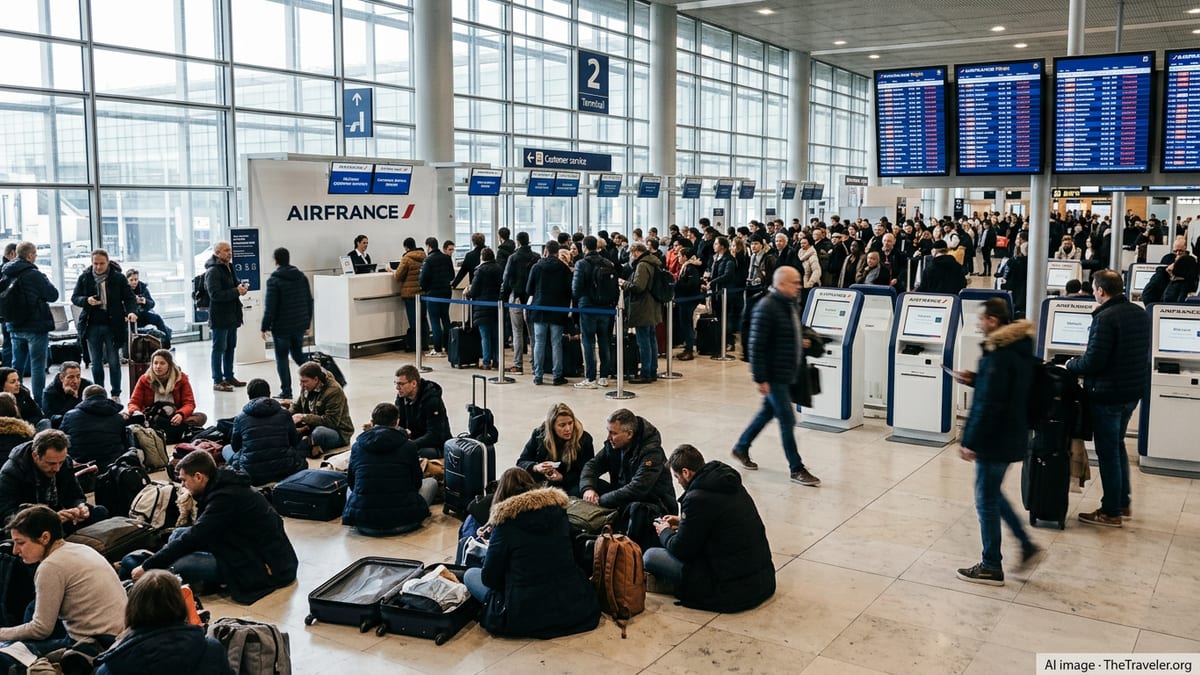
Dubai: Extended cuts from Europe and Central Asia
Dubai, traditionally one of the world’s busiest hubs, continues to see reduced international capacity as airlines weigh security assessments against strong demand. According to recent updates from European flag carriers and regional regulators, several non‑Gulf airlines are keeping suspensions in place on selected Dubai routes into late summer 2026.
Information compiled from Gulf business media and airline advisories indicates that parts of the Lufthansa Group, including Lufthansa and SWISS, have kept passenger services to Dubai paused while regional airspace and airport capacity constraints are reviewed. Publicly available notices describe Dubai’s airports as operating with limits on flight movements, contributing to a longer period of reduced foreign carrier presence.
From Central Asia, Kazakhstan’s Air Astana has announced that it will suspend flights to Dubai from 21 July through 31 August 2026, citing the deteriorating security environment around the Strait of Hormuz and the need to reassess routing and risk exposure. The pause follows an earlier phase in which the airline had already adjusted flight paths to avoid Iranian airspace and had scaled its Dubai schedule up and down in response to previous closures.
Other international airlines are postponing planned resumptions rather than restarting services as originally scheduled. Cathay Pacific, which had intended to bring back daily passenger flights between Hong Kong and Dubai in early September, has moved its target to late October 2026, linking the decision to “developments in the Middle East” in its latest customer bulletin. The shift underscores how carriers are treating Dubai not just as an end point, but as a key hub whose stability is central to wider network planning.
Riyadh: European suspensions and delayed restarts
Saudi Arabia’s capital is facing similar disruption, particularly on routes operated by European network airlines. Updated statements from KLM show that flights from Amsterdam to Riyadh and Dammam remain suspended at least through late July 2026, after an earlier period during which services were already halted while the airline rerouted traffic away from parts of Middle Eastern airspace.
Cathay Pacific has likewise pushed back the launch of its four‑times‑weekly passenger service to Riyadh. The route, which had been due to commence in early September, is now on hold until 26 October 2026 at the earliest, according to the carrier’s most recent online advisory. The postponement removes a planned new connection between East Asia and Saudi Arabia at a time when the kingdom has been actively seeking to expand international air links under its tourism and investment drive.
Alongside these changes, logistics and cargo industry updates suggest that a wider group of airlines has adjusted operations into Saudi airports, in some cases reducing frequencies and in others temporarily halting specific routes while keeping others intact. For passengers, this has translated into fewer one‑stop options from Europe and North America that rely on Riyadh as a connecting point, increasing reliance on Gulf mega‑carriers and regional airlines that continue to operate.
Travel industry advisories describe the situation in Saudi Arabia as “fluid,” with schedules subject to short‑notice amendment. Travellers with itineraries involving Riyadh in July and August are being urged by agents and consumer groups to monitor airline notifications closely and to verify whether alternative routings via Jeddah, Dammam or Gulf hubs are available without additional charge.
Beirut: Longer‑running suspensions as conflict risk lingers
Beirut remains one of the most affected capitals in the region, with several international airlines keeping flights off the schedule amid ongoing security concerns. A series of travel and logistics bulletins show that some European carriers, including parts of the Lufthansa Group, have suspended services to Beirut until at least late October 2026, grouping the Lebanese capital with other destinations such as Amman and Dammam in a broader regional pause.
French carrier Air France has extended its own halt on Beirut flights. Recent Gulf aviation coverage notes that the airline has pushed back the date for a potential restart to at least 2 August 2026, after earlier short‑term suspensions linked to airspace disruptions and risk assessments. This follows a pattern of rolling reviews, with the airline indicating that it is continuously monitoring conditions before committing to a full schedule restoration.
Regional sources indicate that Middle East Airlines, Lebanon’s flag carrier, continues to operate with caution from Beirut’s Rafic Hariri International Airport, adjusting schedules and occasionally cancelling flights in response to the broader security environment. Supply‑chain updates issued in late June still describe operations at the airport as active but subject to disruption, with cargo and passenger flows both affected by route changes across the Levant.
For travellers, the net effect is a patchwork of options: while some regional and Gulf carriers maintain links to Beirut, direct flights from major European hubs remain limited, and many itineraries now require additional stops or changes of airline. Travel advisers recommend that passengers heading to Lebanon remain flexible on dates and routings and factor in the possibility of last‑minute changes to their plans.
Air France, KLM and others: What their latest guidance says
Recent days have brought a new round of detailed guidance from individual airlines, offering insight into how they are managing routes to Dubai, Riyadh and Beirut. Air France, in updates carried by Gulf business media on 21 July, states that flights to and from Dubai International Airport will remain suspended until at least 27 July 2026, while Beirut services are paused until at least 2 August.
KLM has taken a similar stance on parts of its Middle East network. Its publicly available advisories indicate that flights to Riyadh and Dammam are not operating until at least 26 July 2026, following earlier cancellations earlier in the year that also temporarily affected Dubai services. The airline notes that it is continuing to adjust routings and schedules around the region as conditions evolve.
Beyond the Franco‑Dutch group, cargo and freight circulars document a wider set of suspensions and delays. Ethiopian Airlines, for example, has temporarily halted passenger and cargo flights to Beirut and several other Middle Eastern destinations, while other carriers from Europe and Asia have reduced frequencies or restructured their timetables to avoid congested or restricted air corridors.
In each case, airlines are emphasizing safety considerations and regulatory guidance in their decision‑making. Route planners are also contending with longer flight times on alternative paths that skirt sensitive airspace, which can affect aircraft availability and crew scheduling on a global scale, not just on Middle Eastern legs.
What affected passengers should do now
With suspensions and postponements stretching in some cases into October, travellers booked on flights to Dubai, Riyadh or Beirut over the next several months face a more complex landscape than in previous summers. Passenger notices from airlines such as Air France, KLM, Air Astana and Cathay Pacific generally offer options that include full refunds, date changes or rebooking on alternative routes, but the specifics vary by carrier and ticket type.
Consumer advocates and travel industry briefings advise passengers to check their booking status frequently through airline apps and websites rather than relying solely on third‑party platforms. Many carriers are issuing rolling updates as airspace advisories and local airport restrictions change, meaning that flights which appear available one week may be pulled the next, and vice versa.
Travellers are also being urged to pay close attention to minimum connection times and to allow for potential rerouting via different hubs. With some European and Asian airlines limiting their exposure in the region, Gulf carriers and regional airlines are absorbing more traffic, which can drive higher load factors and fewer last‑minute options on popular dates.
Analysts expect that clarity on autumn schedules will emerge gradually as geopolitical negotiations progress and airspace authorities refine their guidance. Until then, anyone planning trips that involve Dubai, Riyadh or Beirut is likely to encounter a shifting picture of availability and should plan for extra time, flexibility and contingency options when arranging their travel.