


For many families, the difference between a stressful trip and a genuinely relaxing vacation comes down to where they stay. In the last few years, Vrbo has emerged as a go-to platform for parents, grandparents, and multi‑generational groups who want more than just a hotel room. They are looking for whole homes, backyards, bunk rooms, and kitchens that make real family life on the road possible. Understanding why travelers choose Vrbo helps you decide when it is the right fit for your next vacation or reunion.
Get the latest updates straight to your inbox!
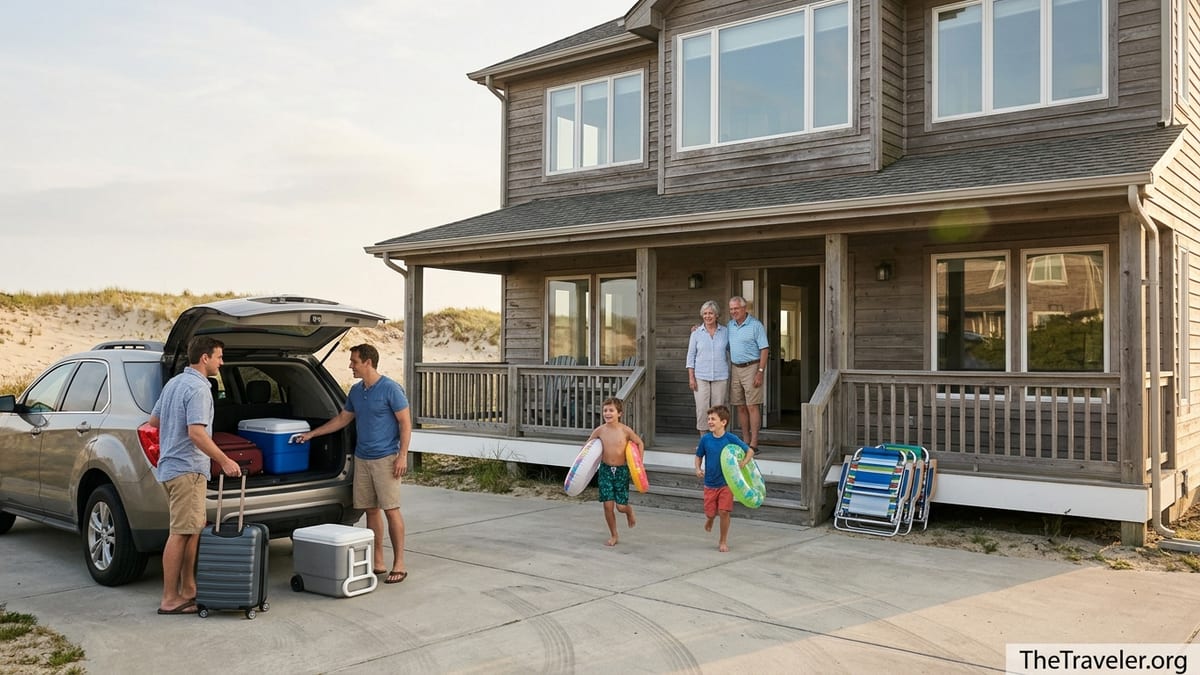
Whole Homes First: Why Vrbo Appeals To Families
Vrbo, originally known as Vacation Rentals by Owner, is built around one simple idea: entire homes. Unlike some competitors that mix shared rooms, private rooms, and hotel-style listings, Vrbo focuses on stand‑alone properties such as houses, condos, cabins, and villas. That focus matters to families who want privacy, predictable space, and control over their environment, especially when traveling with children or older relatives.
On a practical level, this means that if you search Vrbo for a week in Orlando, Florida, you are far more likely to see three‑bedroom townhomes in resort communities, four‑bedroom pool homes near Walt Disney World, or spacious condos with full kitchens in Kissimmee. A typical family of five might book a four‑bedroom home with a private pool and game room for around 250 to 350 dollars per night in shoulder season, rather than squeezing into two standard hotel rooms that can easily reach similar or higher nightly costs.
For multi‑family trips, Vrbo’s whole‑home focus becomes even more useful. Consider a group of two siblings traveling with their spouses and children to Gulf Shores, Alabama. Instead of juggling three or four separate hotel rooms, they can book a five‑bedroom beach house that sleeps 12, with multiple king suites and a bunk room for the cousins. They share a single kitchen and large living room, making it easier to gather in the evenings and split the total price rather than each paying for separate accommodations.
This emphasis on full homes also filters the audience. Many hosts and analysts note that Vrbo tends to attract older, more family‑oriented travelers planning week‑long stays in beach towns, mountain resorts, and lake destinations. That demographic often values quiet nights, predictable routines for kids, and dedicated spaces like nurseries or ground‑floor bedrooms for grandparents, all of which push them toward entire‑home rentals instead of shared spaces.
Space, Layout, and Amenities That Match Real Family Life
Square footage and smart layouts are among the biggest reasons travelers choose Vrbo. A two‑bedroom condo with a separate living room is a different experience from one large hotel suite, even when the total sleeping capacity is similar. Parents can put children to bed in a separate room and still talk, read, or watch a movie without whispering in the dark.
Take a typical Vrbo listing in Breckenridge, Colorado, for a ski week. A three‑bedroom townhouse might offer one king bedroom for parents, a queen bedroom for grandparents, and a bunk room for two or three kids, along with a full kitchen, washer‑dryer, and gear storage in the entryway. After a day on the slopes, everyone can spread out: teenagers on the sofa with a movie, parents sorting ski clothes in the laundry area, and grandparents reading by the fireplace. That kind of zoning is rare in hotel setups unless you book high‑end suites or connecting rooms, which often cost considerably more.
Amenities also tend to be more family‑centric in Vrbo properties. Owners frequently highlight features like travel cribs, high chairs, plastic dishes, blackout curtains in kids’ rooms, and fenced yards. In a typical suburban Vrbo near Anaheim, California, you might find a garage converted into a game room with table tennis and foosball, a small heated pool out back, and a grill for simple dinners after a day at the parks. These details directly support how families actually travel: early bedtimes for some, late‑night chats for others, and plenty of room for noisy play without worrying about disturbing neighbors through thin hotel walls.
Laundry is another decisive factor. Families on a week‑long beach trip to the Outer Banks or Hilton Head Island quickly discover that being able to wash swimsuits and kids’ clothes mid‑stay cuts down on how much luggage they need. A Vrbo with a private washer‑dryer lets them pack lighter and return home with fewer bags of sandy, damp clothing. The value is not just financial; it is about comfort and convenience throughout the trip.
Destinations Where Vrbo Really Shines
Although Vrbo has listings in cities, its strongest appeal is in traditional vacation corridors where families rent full homes for several nights or longer. Along Florida’s Emerald Coast, for example, Vrbo offers thousands of beach houses and condos in Destin, Panama City Beach, and the popular 30A communities. Families often book large homes here for summer holidays or fall break, sharing big open kitchens and decks that overlook the Gulf of Mexico.
Mountain destinations show a similar pattern. In areas like Gatlinburg and Pigeon Forge in Tennessee, or Estes Park in Colorado, Vrbo’s portfolio is heavy on cabins and chalets with multiple bedrooms, hot tubs, and decks. A family reunion group might choose a six‑bedroom cabin outside Gatlinburg with mountain views, a theater room, and a game loft, splitting the nightly rate across several households. This type of property is exactly what Vrbo markets to and what many travelers expect to find there.
Lake and countryside regions also lean strongly toward Vrbo. Around Lake of the Ozarks in Missouri or Lake Tahoe on the California and Nevada border, the platform’s inventory features docks, boat slips, and outdoor firepits that serve boating families and groups who come back year after year. In the Midwest, it is common for families to book the same Vrbo lake house each summer, developing a relationship with the owner and treating the property almost like a timeshare without formal ownership.
Even in popular theme park markets, Vrbo has earned a niche. In the Orlando area, large resort communities of vacation homes often list heavily on Vrbo. A four‑bedroom home with themed kids’ bedrooms and a private splash pool might run around 200 to 300 dollars per night in certain off‑peak weeks, which compares favorably to on‑site hotels once you factor in parking, resort fees, and the need for multiple rooms. For families who care more about space and kitchen access than early park entry, the trade‑off is attractive.
Trust, Protections, and What “Book With Confidence” Really Means
Trust is a major consideration for families investing significant sums in a single property for a week or more. Vrbo promotes several layers of reassurance, from verified payment processing to 24/7 customer support and a program often referred to as a Book with Confidence guarantee. In broad terms, this framework is designed to help travelers in situations involving fraud, wrongful denial of entry, or major misrepresentation of the property, as well as provide support with rebooking if something goes seriously wrong.
In practice, these protections can make a meaningful difference. Imagine arriving at a beach house in North Carolina to find that a plumbing issue has flooded part of the home. If the property cannot be safely occupied, Vrbo’s support team may work with you and the host to find a suitable alternative or assist with refunds under the applicable terms. Parents often choose Vrbo precisely because they feel more comfortable having a large platform involved, rather than booking directly with an unknown owner and wiring money without any intermediary.
At the same time, it is important to understand the limits of these protections. Travelers report mixed experiences with guarantee programs across all major platforms, and Vrbo is no exception. The fine print often includes eligibility requirements, deadlines for reporting issues, and conditions tied to how you booked and communicated with the host. Families who choose Vrbo for peace of mind still need to take basic precautions: documenting problems with photos, contacting Vrbo support quickly if something is wrong, and keeping communication within the platform’s messaging system.
For most vacations, these safeguards remain in the background. A multigenerational group that books a mountain house in Utah, checks in with a smart lock code, and finds the property as described will never think about guarantees at all. Yet knowing that there is a defined process in place if something serious happens can be one of the quiet reasons parents steer their bookings to Vrbo rather than to a smaller listing site or a private classified ad.
Cost, Fees, and When Vrbo Beats Hotels
Families rarely choose Vrbo on principle alone. Cost plays a central role, especially as travel prices have risen in recent years. On a nightly base rate comparison, a vacation rental can look similar to or slightly cheaper than a mid‑range hotel. A three‑bedroom Vrbo condo in Myrtle Beach might list for around 220 dollars per night during spring, while an oceanfront hotel room in the same area might be 180 to 250 dollars per night. At first glance, the hotel looks competitive.
The math shifts when you consider how many people are traveling. If two parents and three kids would otherwise need two hotel rooms to sleep comfortably, the true hotel cost could reach 360 to 500 dollars per night once resort fees and taxes are included. The same family in the three‑bedroom condo may pay near the base rate plus a one‑time cleaning and service fee. Spread over a five‑ or seven‑night stay, that Vrbo booking often comes out ahead on a per‑person basis, especially when you use the kitchen for breakfasts and a few simple dinners.
Fees are an important nuance. Vrbo properties typically include a cleaning fee and a service fee on top of the nightly rate, and those can be significant on very short stays. A two‑night weekend in a mountain cabin with a 150 dollar cleaning fee and platform charges might end up costing far more per night than a nearby hotel. Many experienced Vrbo users recommend stays of four nights or longer, where fixed cleaning costs are averaged over more days and the convenience of laundry and a kitchen has time to show its value.
Real‑world trip planning illustrates this trade‑off. A couple from Chicago planning a two‑night concert weekend in Nashville may still choose a downtown hotel within walking distance of the venue. But the same couple, when organizing a weeklong beach trip with their siblings and parents, will often run the numbers and end up on Vrbo, where a six‑bedroom house in Gulf Shores or Hilton Head can host the entire group under one roof at a reasonable shared cost.
Planning a Family Trip on Vrbo: How Travelers Actually Use It
When families talk about why they gravitate to Vrbo, their reasons are often practical rather than technical. Parents appreciate the ability to filter quickly for whole homes with a certain number of bedrooms, pet‑friendly policies, or specific amenities like pools and hot tubs. While other platforms also offer filters, Vrbo’s inventory skews toward properties that already fit the typical family checklist, which can make the search process feel more efficient.
A common pattern looks like this: a family decides on a general destination, such as the Smoky Mountains or San Diego, then opens Vrbo and sets a date range during school holidays. They filter for at least three bedrooms, two bathrooms, and a fully equipped kitchen, then scan photos to see whether the living and dining areas look large enough for their group. Many travelers also pay close attention to bed layouts, seeking homes that combine king beds for adults with bunk beds or twin rooms for kids.
Reviews and host communication are another reason travelers choose Vrbo. Parents often read comments looking for mentions of cleanliness, responsiveness, and whether the home matched the photos. A property in Scottsdale that consistently earns praise for spotless presentation and clear instructions will rise to the top of a family’s shortlist, even if there are slightly cheaper options nearby. Once they inquire, quick, friendly replies from the owner or manager build confidence that questions about cribs, early check‑in, or accessibility will be handled well.
After booking, families rely heavily on digital guides and house manuals provided through Vrbo messages. These often cover parking details, Wi‑Fi instructions, local grocery stores, and recommendations for kid‑friendly attractions. For a first‑time visit to a place like Branson, Missouri, having a host‑curated list of family activities such as miniature golf courses, lakeside playgrounds, and casual restaurants can be as valuable as the house itself.
The Takeaway
Families and groups have many choices for where to sleep, from traditional hotels to boutique inns and a growing number of rental platforms. Vrbo has carved out a strong position by focusing on entire homes in classic vacation destinations, a strategy that aligns closely with how parents, grandparents, and multi‑generational groups actually travel.
Travelers choose Vrbo because it consistently offers what they need on longer, more involved trips: real bedrooms with doors, kitchens where breakfast happens at kid pace, washers and dryers for sandy swimsuits, and living rooms big enough for cousins to pile onto the sofa. In popular beach, lake, and mountain regions, that translates into practical, often cost‑effective stays that feel more like borrowing a friend’s house than checking into a hotel.
Vrbo is not always the right answer. Short city breaks, last‑minute weekend getaways, or trips where you prioritize on‑site hotel services may point you elsewhere. Fees and cleaning charges can blunt the value of very short stays, and travelers still need to read listing details carefully and understand the limits of any guarantees. Yet for the core use case it is built around, the family vacation rental, Vrbo remains one of the most compelling options on the market.
If your next trip involves grandparents, strollers, pool toys, and a week’s worth of groceries, there is a good chance Vrbo will be part of your planning. Used thoughtfully, it can deliver exactly what many families want most from travel: the feeling of being at home together, somewhere entirely new.
FAQ
Q1. Is Vrbo better than a hotel for family vacations?
For many families on trips of four nights or more, a Vrbo can be better value and more comfortable than booking multiple hotel rooms, thanks to extra bedrooms, kitchens, and laundry.
Q2. How far in advance should I book a Vrbo for a summer beach trip?
For popular beach destinations in June, July, or early August, many families book three to six months ahead to secure the best selection of homes and fair prices.
Q3. Are Vrbo rentals safe for young children?
Safety varies by property. Look for listings that mention child‑friendly features such as stair gates, pool fencing, and secure balconies, and confirm details with the host before booking.
Q4. Can I save money by cooking in a Vrbo instead of eating out?
Yes. Having a full kitchen allows families to prepare breakfasts and some dinners at home, which can significantly reduce daily food costs compared to restaurant meals for a group.
Q5. What happens if I arrive and the Vrbo is not as described?
If a property is seriously misrepresented or uninhabitable, you should document issues with photos, contact the host, and reach out to Vrbo support promptly to explore options for help.
Q6. Are Vrbo fees higher than other platforms?
Vrbo charges service and cleaning fees similar to other major rental platforms. These costs are easier to justify on longer stays but can feel high for one‑ or two‑night trips.
Q7. Is Vrbo a good choice for multi‑generational trips?
Yes. Vrbo’s focus on whole homes with multiple bedrooms, living areas, and outdoor spaces makes it well suited for trips that include grandparents, parents, and children.
Q8. How can I tell if a Vrbo host is reliable?
Check reviews for comments about communication, cleanliness, and accuracy, look at response times, and do not hesitate to ask direct questions about anything that matters to your family.
Q9. Do Vrbo properties usually allow pets?
Policies vary by listing. Use the pet‑friendly filter when searching, then read each property’s pet rules carefully and confirm any extra fees or restrictions with the host.
Q10. Is Vrbo useful for short city breaks, or only for longer trips?
Vrbo can work for city breaks, especially for groups who want shared living space, but cleaning fees often make it more attractive for longer stays rather than quick overnight visits.