


For many New York City visitors, the dream is simple: wake up to a full-on Manhattan skyline view without emptying the travel budget. Increasingly, the answer to that dream lies not in Midtown or Lower Manhattan but just across the Hudson River in Jersey City. With direct PATH trains, ferries gliding past the Statue of Liberty, and hotel rooms that often cost noticeably less than in Manhattan, Jersey City delivers the iconic view for a fraction of the price.
Get the latest updates straight to your inbox!
Why Jersey City Is a Smart Alternative to Manhattan
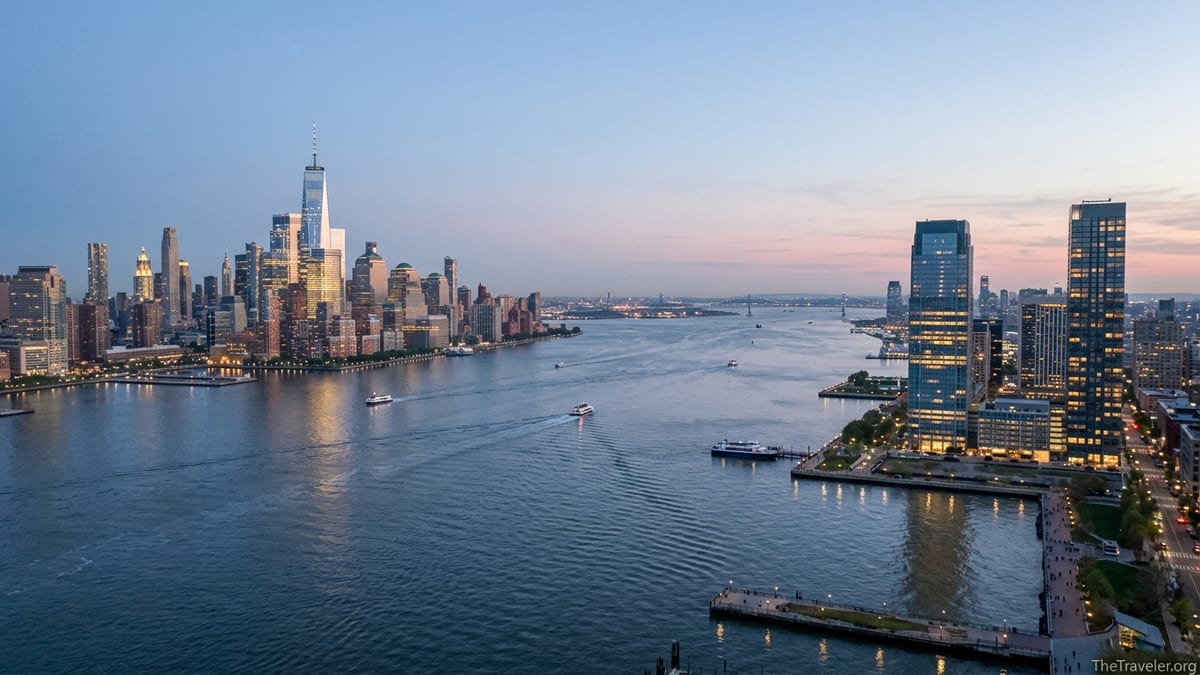
Stand on the Hudson River waterfront at Exchange Place in Jersey City at sunset and you are facing a postcard: the One World Trade Center spire, the Financial District clustered around it, and the Hudson shimmering in the foreground. It looks and feels like you are in the middle of New York, yet you are standing in another city where hotel rates, restaurant checks, and bar tabs are often lower than across the river. That basic value equation is why Jersey City is appearing more often in hotel searches and World Cup 2026 accommodation guides as a smart base for visiting New York.
In practice, choosing Jersey City often means trading a compact Midtown hotel room for more space and a skyline view. Travelers comparing prices for the same summer weekend frequently see mid-range chain hotels in Downtown Jersey City priced at roughly 20 to 40 percent less than similarly rated properties in popular Manhattan neighborhoods like Times Square or SoHo. Exact savings fluctuate with major events and demand, but enough visitors are making the switch that local tourism boards and hotel groups now actively market Jersey City as “New York without the New York price tag.”
For families, groups of friends, or remote workers combining leisure and work, that difference adds up quickly. Booking a two- or three-night stay during a peak period such as December holiday markets or a citywide convention can mean hundreds of dollars saved, which can then go to Broadway tickets, a special dinner in Manhattan, or a harbor cruise instead of simply covering a bed and a bathroom.
Just as important as price is the feeling of being in a real neighborhood rather than a visitor-only zone. Many of Jersey City’s most popular hotels and short-term rentals cluster around Grove Street, Exchange Place, and Newport. These are areas where commuters line up for coffee at independent cafes before catching the PATH, local parents gather in playgrounds lining the waterfront, and residents walk their dogs against the glow of the Manhattan towers. Visitors who stay here still get an unmistakably “New York” daily rhythm, just with more elbow room and easier access to the water.
Unbeatable Skyline Views From the Jersey Side
The secret that photographers and film crews have known for years is that some of the very best views of Manhattan are not in Manhattan at all. The Jersey City riverfront offers a true front-row perspective. From the Exchange Place plaza, the skyline rises almost directly in front of you, with One World Trade Center so close it feels within arm’s reach. Just north, the Newport and Harborside promenades frame Midtown’s skyscrapers, including the Empire State Building and Hudson Yards, in clean, unobstructed lines across the river.
Travelers do not need to book a private yacht or rooftop bar to enjoy these views. The Hudson River Waterfront Walkway runs for miles through Jersey City, lined with public seating, small piers, and landscaped parks. In the early morning, joggers follow the path as the sun hits the glass of Lower Manhattan. In the evening, office workers stop at waterfront benches with takeout dumplings or slices of pizza and watch the river traffic glide by, from commuter ferries to sightseeing boats circling the Statue of Liberty.
Several hotels have capitalized on this natural theater by orienting rooms directly toward the skyline. Guests booking a “Manhattan view” category in Jersey City frequently mention in reviews that they spent as much time by the window as they did in the city itself, watching the skyscrapers change color with the weather and time of day. Unlike many Manhattan rooms that peer straight into another building’s windows, here the view opens outward across the water, giving a sense of perspective and calm that can be rare in city stays.
Even if you are staying a few blocks inland, a short walk brings you to iconic lookout spots. The pier at J. Owen Grundy Park, next to Exchange Place, offers a nearly 360-degree sweep of river and skyline, ideal for photos that capture both you and the city in the background. South of downtown, Liberty State Park adds the Statue of Liberty and Ellis Island to the scene, letting visitors frame all three symbols in a single image without ever stepping onto a boat if time or budget are tight.
Getting Into Manhattan: PATH Trains and Ferries
Choosing Jersey City does not mean sacrificing convenience. For many itineraries, commute times from central Jersey City locations to key Manhattan neighborhoods match, or even beat, those from outer parts of Brooklyn or Upper Manhattan. The backbone of this connection is the PATH rail system, which links Jersey City stations such as Exchange Place, Grove Street, Newport, and Journal Square with Lower Manhattan and Midtown.
As of May 2026, a standard PATH single ride is priced around the low three-dollar range per trip, with modest discounts available when purchasing multi-trip options or short-term unlimited passes for frequent riders. That flat fare covers the full journey whether you ride one stop from Exchange Place to World Trade Center or stay on to reach 33rd Street in Midtown. For visitors, the simplicity is welcome: tap in, ride under the river, and emerge directly inside or near major New York transit hubs without worrying about zones or distance pricing.
Typical travel times underscore how practical this is for sightseeing. The ride from Exchange Place to World Trade Center is usually about five minutes, making it one of the quickest ways into Lower Manhattan from any direction. From Grove Street or Newport to 33rd Street near Herald Square, the trip often takes around 15 to 20 minutes once you are on the train. That places attractions like the 9/11 Memorial, Wall Street, the Brooklyn Bridge, Macy’s, and the Empire State Building within what feels like an ordinary subway hop rather than a commute from another city.
For a more scenic route, ferries bridge the Hudson between Jersey City and several Manhattan terminals. Operators such as NY Waterway and Liberty Landing Ferry run boats from piers including Paulus Hook, Liberty Harbor, Port Liberté, and Liberty Landing Marina to destinations like Brookfield Place in Battery Park City and Pier 11 near Wall Street. Schedules are generally geared toward commuters on weekdays, with more relaxed but still regular service on weekends. One-way adult fares are typically higher than the PATH, so this is less of a budget play and more of a memorable experience: crossing the river with skyline views on both sides, often passing near the Statue of Liberty and Ellis Island as you go.
What You Actually Spend: Real-World Cost Comparisons
To understand how Jersey City can save visitors money, it helps to walk through a basic three-night trip. Imagine a couple planning a long weekend in October, a popular shoulder season when hotel rates are still relatively high. In Manhattan, a standard room in a well-known Midtown hotel might commonly hover in the mid- to upper-300-dollar range per night before taxes during a normal weekend, occasionally climbing higher when there is a major conference or event in town. That quickly pushes the total for lodging alone over the thousand-dollar mark.
Across the river in Downtown Jersey City, the same couple may find mid-range branded hotels or well-reviewed independents pricing in the low- to mid-200-dollar range for similar dates, sometimes dipping lower for advance, nonrefundable rates. Even after accounting for local taxes, that can shave several hundred dollars from the accommodation budget over the course of the stay. Those savings remain even if you add in daily transit costs for PATH or the occasional ferry ride.
Transit spending itself remains easy to manage. A visitor staying near Exchange Place, riding the PATH into Manhattan twice a day for three full days of sightseeing, might realistically make eight to ten PATH trips during the visit. At a bit over three dollars per ride, the total transportation cost stays in the few-dozen-dollar range for the entire stay, roughly comparable to what many visitors spend on subway fares within New York alone. If you plan to use PATH heavily alongside subways and buses, short-term unlimited products can bring the effective per-ride cost down slightly further.
Meals and casual spending show a similar pattern. In popular Jersey City neighborhoods like Grove Street, you will find independent coffee shops selling espresso drinks and pastries at prices that feel familiar to major U.S. cities, often a little lower than the busiest blocks of Midtown. Dinner at a neighborhood Thai, Italian, or modern American restaurant can come in below what you might pay at a Manhattan spot with a comparable level of quality and atmosphere. Over several days, that slightly lower baseline for every coffee, sandwich, and drink can quietly but meaningfully stretch your budget.
Neighborhoods and Experiences on the Jersey Side
Staying in Jersey City is not just a cost-saving tactic; it opens up neighborhoods and experiences many Manhattan-focused itineraries skip entirely. Downtown Jersey City around Grove Street is a walkable grid of historic brownstones, small boutiques, and a growing number of cafes and bars. On weekend mornings, you might wander past a farmers’ market in the plaza, pick up a coffee from a local roaster, and stroll down Newark Avenue’s pedestrian stretch before heading into Midtown for a museum or show.
Along the waterfront, the mood shifts slightly more corporate during the weekday rush, with glass office towers and commuters in suits lining up at food trucks. Outside those hours, the same spaces feel relaxed and residential. Families bring scooters and strollers to the riverfront parks at Newport and Harborside, while runners and cyclists use the waterfront path as a training route. It is an easy environment to slip into, especially for visitors who enjoy mixing classic New York landmarks with more local-feeling evenings close to where they are staying.
South of downtown, Liberty State Park is one of the region’s great underappreciated green spaces. From this vast waterfront park, you get direct views of the Statue of Liberty and Ellis Island, as well as long, sweeping panoramas of the Lower Manhattan skyline. There are picnic lawns, a historic rail terminal, and, in warmer months, seasonal concessions and events. Many visitors choose to board Statue of Liberty and Ellis Island ferries here instead of in Battery Park, appreciating the calmer atmosphere and easier security lines before heading out on one of the country’s most famous sightseeing trips.
Jersey City’s cultural life has been growing in step with its skyline. Small galleries, music venues, and art studios are tucked into side streets, particularly around neighborhoods like the Powerhouse Arts District. Annual festivals and street fairs bring food trucks, local breweries, and live performers to the streets, giving visitors still more reasons to linger close to their Jersey base instead of automatically crossing the river every evening.
Planning Your Stay: Practical Tips for Visitors
A bit of planning goes a long way toward making a Jersey City base feel seamless. When booking accommodation, pay attention to proximity to PATH stations such as Exchange Place, Grove Street, and Newport. A hotel within a short walk of these stops effectively shrinks the distance to Manhattan’s major sights; in practical terms, walking ten minutes to Exchange Place and riding five minutes to World Trade Center is not much different from walking ten minutes to a subway station in Manhattan and riding a similar distance uptown or downtown.
It is also useful to consider your night-time habits. The PATH operates late into the evening, but frequencies can change after midnight and on weekends for maintenance. If you expect to be out in Manhattan until the small hours, check current schedules before your trip so you understand the last convenient trains back to Jersey City. Taxis and ride-hailing services do run between the two cities, but the cost of crossing the Hudson by car, especially via toll tunnels or bridges, can be noticeably higher than a late PATH ride, so most budget-minded visitors treat them as a backup rather than a nightly habit.
For families, stroller access and elevators can matter. Many Jersey City and Manhattan PATH stations have elevators or escalators, but not all, and street-level entrances sometimes involve stairs. Reviewing station maps in advance helps you choose the most convenient stops for your group. That said, the walk from many waterfront hotels to the PATH is usually on flat, wide sidewalks, which can be a relief if you are juggling luggage, children, or both.
Finally, be realistic about what kind of “New York” you want. If you imagine walking out of your hotel directly into Times Square at all hours, then a Midtown stay might still be the best psychological fit. But if your priority is seeing the museums, landmarks, and neighborhoods spread across the five boroughs while returning each night to a slightly calmer base with big-city views, Jersey City delivers exactly that mix. You are close enough that grabbing a last-minute same-day ticket to a Broadway show still makes sense, yet far enough that you can exhale when you step off the train and see the skyline from a quieter shore.
The Takeaway
Jersey City has quietly turned into one of the most compelling places to stay for visitors who want New York’s iconic skyline in the frame but do not need a Manhattan address on their hotel bill. With riverfront promenades that showcase Lower Manhattan, quick PATH rides to major transit hubs, and ferries that double as sightseeing cruises, it delivers the skyline experience many travelers dream about at a price that leaves more room in the budget for the rest of the trip.
On a practical level, choosing Jersey City can mean more space for your money, lower everyday costs for meals and drinks, and an easy, predictable commute into the city for museums, shows, and landmarks. On an emotional level, it offers something less tangible but equally valuable: the ability to look back at Manhattan each night, from just across the water, and feel that you have the city in view and within reach without being swallowed by it.
For travelers planning trips around major events, from holiday seasons to upcoming global tournaments that will bring visitors to the broader New York and New Jersey region, that combination of access, views, and value makes Jersey City particularly attractive. As more people discover it, the question may shift from “Why stay across the river?” to “Why did we not stay here sooner?”
If your picture of the perfect New York visit includes waking up to glass towers glowing over the Hudson, walking to a local cafe for breakfast, and riding a quick train into the heart of the city, then Jersey City belongs at the top of your hotel search. It is the rare case where stepping just outside the main stage gives you the best possible view of it.
FAQ
Q1. Is staying in Jersey City really cheaper than staying in Manhattan?
In many cases yes. Mid-range hotels in Jersey City often price noticeably lower than similar Manhattan properties, especially during busy periods, though exact savings depend on dates and demand.
Q2. How long does it take to get from Jersey City to Manhattan by PATH?
The PATH ride from Exchange Place to World Trade Center is often around five minutes, while trips from Grove Street or Newport to Midtown’s 33rd Street usually take about 15 to 20 minutes once on the train.
Q3. Is the PATH included in New York City subway passes?
No. PATH is a separate system, so New York City subway passes do not cover it. Visitors pay a separate, flat fare for PATH, with optional multi-ride and unlimited products.
Q4. Are ferries between Jersey City and Manhattan a good daily option?
Ferries offer beautiful views and a pleasant ride, but their one-way fares are generally higher than PATH. Many visitors use ferries occasionally for the experience and rely on PATH for most trips.
Q5. Which Jersey City neighborhoods are best for visitors?
Areas around Exchange Place, Grove Street, and Newport are especially popular, thanks to quick PATH access, waterfront views, and a good mix of restaurants, cafes, and services.
Q6. Is Jersey City safe for tourists?
Central visitor areas such as Downtown, the waterfront, and Newport are generally busy and feel comfortable, especially by day and early evening, though normal big-city precautions always apply.
Q7. Can I see the Statue of Liberty easily from Jersey City?
Yes. Liberty State Park in Jersey City offers clear views of the Statue of Liberty and Ellis Island, and many visitors choose to board official monument ferries from this side.
Q8. Will I feel like I am missing out by not sleeping in Manhattan?
Most visitors who stay in Jersey City report that they still spend the bulk of their days in Manhattan while enjoying more space and calmer evenings back across the river, so they rarely feel shortchanged.
Q9. Is Jersey City convenient for events like World Cup 2026 matches?
Yes. Guides for major regional events increasingly highlight Jersey City as a base, since it combines fast access to Manhattan with reasonable travel times to venues elsewhere in the metro area.
Q10. Do hotels in Jersey City offer rooms with direct Manhattan skyline views?
Many waterfront and high-rise hotels do. When booking, look for “Manhattan view” or similar room descriptions if skyline views are a top priority for your stay.