


More news on this day
Rising travel costs across the United States are reshaping vacation habits, with growing numbers of Americans from California, Arizona, New Mexico, Texas, Nevada and Colorado looking south to Mexico for more affordable getaways by road and short-haul air.
Get the latest news straight to your inbox!
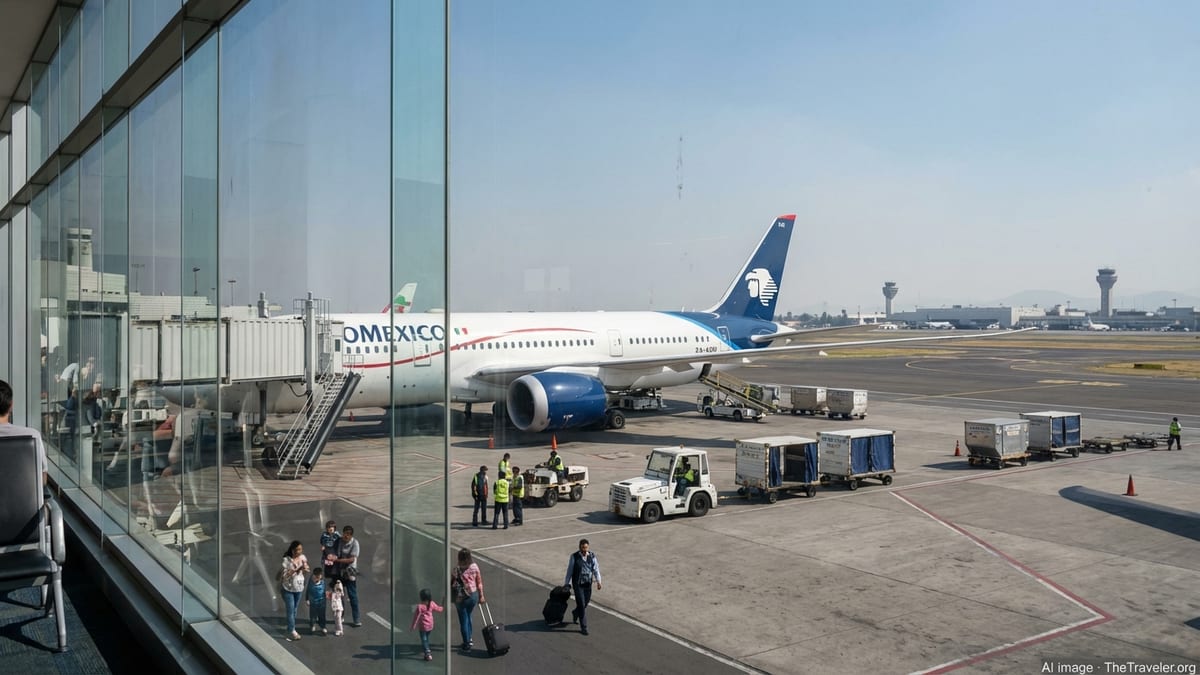
Surging Demand for Mexico Amid Cost Pressures
Publicly available data shows that Mexico remains the top international destination for U.S. residents, with government statistics indicating close to 40 million American visits to the country in 2024 and forecasts pointing to continued growth through 2026. As total U.S. outbound travel reached a record 107.7 million international trips in 2024, Mexico captured a significant share of that demand, particularly for leisure travel.
While overall airfares have fluctuated, many U.S. travelers report feeling squeezed by higher trip costs, from resort prices in Florida and Hawaii to rising fees at popular national parks. Industry analyses describe travelers trading long-haul vacations for closer, better-value options, a shift that has favored destinations such as Cancún, Mexico City, Puerto Vallarta and Playa del Carmen.
Analysts note that currency dynamics have also reinforced the appeal of Mexico for U.S. visitors. The relative strength of the dollar against the Mexican peso has helped stretch vacation budgets on the ground, particularly for food, lodging away from the most exclusive resorts and local transportation.
As a result, Mexico’s traditional role as an easy winter-sun escape has widened into a year-round pressure valve for American travelers seeking lower prices without sacrificing beaches, culture or modern infrastructure.
California Joins the Border-State Road Trip Wave
For years, residents of Arizona, New Mexico and Texas have relied on quick cross-border trips for everything from dental work and shopping to weekend beach breaks. Today, publicly available tourism research and anecdotal reporting suggest that more Californians and inland Western travelers are adding Mexico road trips to their vacation mix, especially as they confront higher prices at coastal destinations at home.
Major crossings between California and Baja California, including routes funneling drivers toward Tijuana, Rosarito and Ensenada, offer relatively short drives from San Diego, the Inland Empire and even the greater Los Angeles area. Similar patterns can be seen along the Arizona and Texas borders, where Americans are combining errands and family visits with overnight stays in Mexican border cities or nearby beach towns.
Car-based travel remains attractive for groups and families facing cumulative airfare for multiple travelers. With fuel costs leveling off from previous spikes and accommodation options ranging from budget hotels to vacation rentals, cross-border road trips can undercut equivalent domestic beach weekends or city breaks.
However, travelers are increasingly encouraged by travel experts and public agencies to plan carefully. Requirements for passports or other approved travel documents, variable border wait times, and differing insurance and driving regulations mean that advance research is essential, especially for first-time drivers from California and neighboring states.
Short-Haul Flights to Cancún, Mexico City and Pacific Resorts
Even as some reports highlight a recent dip in U.S. air passenger volumes to Cancún, the destination remains among the busiest international leisure gateways for American travelers. Industry coverage points to dozens of U.S. cities with nonstop or one-stop connections to Cancún and the broader Riviera Maya corridor, serving resorts in Playa del Carmen, Tulum and Costa Mujeres.
Mexico City continues to grow as both a city-break destination and a hub for onward travel to colonial cities and Pacific and Gulf coasts. Its global airport rankings underscore its status as one of Latin America’s leading aviation hubs, with wide-body links from major U.S. gateways complementing a network of domestic connections to beach destinations such as Puerto Vallarta, Los Cabos and Huatulco.
On the Pacific side, Puerto Vallarta and neighboring Riviera Nayarit have carved out a strong niche among U.S. visitors seeking a mix of all-inclusive resorts and smaller, locally run hotels. Short-haul flights from Western states are often under four hours, allowing long-weekend trips that compete directly with domestic U.S. coastal getaways.
Airline capacity and pricing on these routes can be volatile, with carriers adjusting frequencies in response to seasonal demand and fuel costs. Travel analysts advise flexible dates and early booking for peak periods such as winter holidays and spring break, when price-sensitive travelers may otherwise find themselves paying premiums even on typically “value” routes.
How Americans Are Keeping Mexico Trips Affordable
Publicly available consumer research suggests that U.S. travelers heading to Mexico are increasingly focused on trip design, using a mix of road and air, different airports and diverse lodging types to keep costs in check. Many are flying into one city and departing from another, or combining a border drive with a domestic Mexican flight to reach more distant beaches or cities.
Budget-conscious visitors are also looking beyond marquee resort zones. Neighborhoods in Mexico City, Guadalajara or Mérida, as well as smaller Pacific and Gulf Coast towns, often offer lower nightly rates than the main strips of Cancún’s hotel zone or Puerto Vallarta’s busiest beachfronts. Travelers willing to stay a few blocks inland can frequently find substantial savings.
Food and activities are another area where Americans are stretching budgets. Travel coverage highlights a growing interest in markets, street food and independent restaurants in place of all-inclusive dining, as well as free or low-cost experiences such as historic centers, public beaches, archaeological sites with modest entry fees and self-guided neighborhood walks.
Insurance, both for rental cars and personal health, has become a standard line item for many cross-border trips. Advisories from travel organizations stress that U.S. auto policies often do not fully cover driving in Mexico and that medical coverage can vary widely. Building these protections into the budget at the outset helps prevent unexpected expenses from eroding perceived savings.
Practical Considerations for Cross-Border and Short-Haul Travel
Experts recommend that Americans contemplating a Mexico trip start by checking passport validity, entry rules and any state or federal advisories. While procedures are routine for most tourists, requirements can differ for minors, dual nationals or travelers planning extended stays or remote work while abroad.
For road trips, drivers are urged to verify insurance coverage, review rules for bringing vehicles across the border, and familiarize themselves with toll roads, known as cuotas, which are generally considered better maintained and more predictable than some free alternatives. Many travelers also plan crossings during daylight hours and monitor wait-time information released by border agencies when possible.
Those opting for short-haul flights are paying closer attention to total trip costs, including checked-bag fees, seat selection and airport transfers on both sides of the border. Secondary airports in the U.S. or Mexico can sometimes offer lower base fares but may add ground-transportation expenses that narrow the gap with more convenient hubs.
With outbound U.S. travel continuing to press against record levels, industry observers expect Mexico’s mix of proximity, price competitiveness and diverse destinations to keep drawing travelers from California, Arizona, New Mexico, Texas, Nevada, Colorado and beyond. For many Americans navigating airfare hikes and broader cost pressures, Mexico is emerging as a practical playbook for keeping international travel within reach.