


More news on this day
Moroccan fans planning to follow their national team to the 2026 FIFA World Cup in North America now have a new tool to navigate long United States visa queues, as Morocco joins India, Brazil, Mexico, Argentina, Nigeria, Colombia and Saudi Arabia among the countries where ticket holders can tap into the US government’s FIFA PASS priority appointment system.
Get the latest news straight to your inbox!
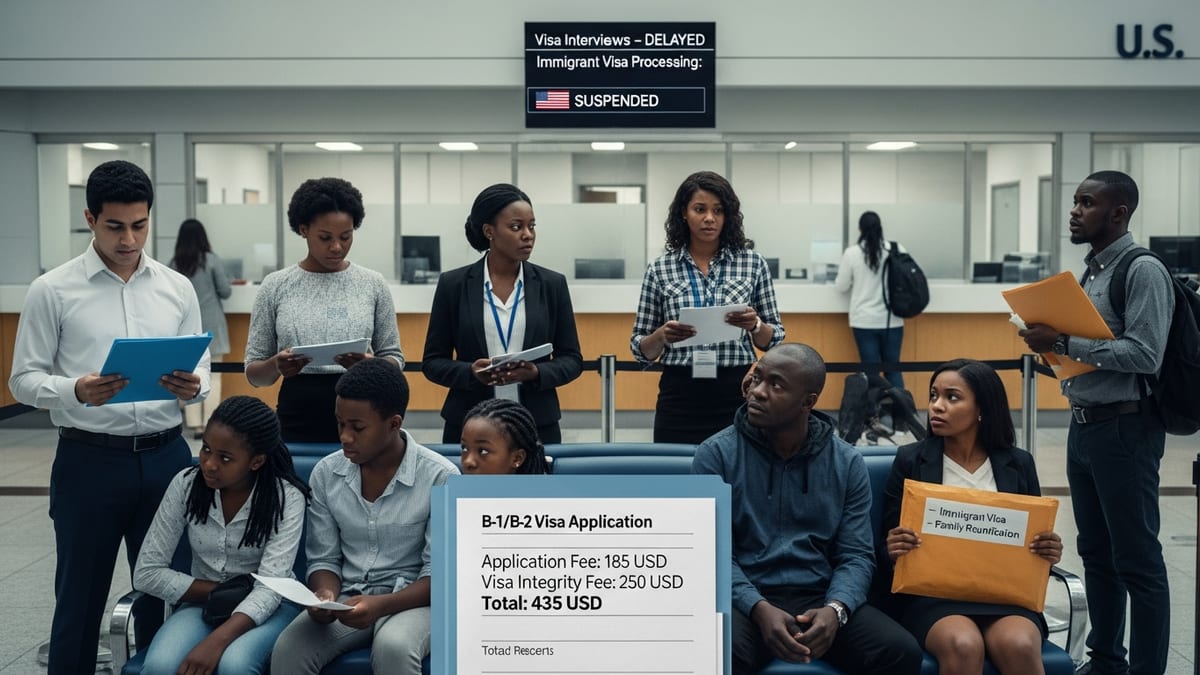
FIFA PASS Widens Its Reach As World Cup Nears
The FIFA Priority Appointment Scheduling System, known as FIFA PASS, is designed to give official FIFA World Cup 2026 ticket holders earlier access to US visa interview slots than standard applicants. Publicly available guidance explains that eligible fans who hold a valid Right-to-Ticket on FIFA’s official platform can request a special FIFA PASS key that unlocks priority dates at US consulates ahead of the tournament.
FIFA PASS sits alongside the broader 2026 ticketing program, which has already generated hundreds of millions of ticket requests across host and non-host nations. Ticket holders traveling to matches in the United States who require a visa are being encouraged through official channels to consider the system if regular wait times in their country are long and could threaten travel plans.
According to published coverage, US authorities and FIFA framed the initiative as a way to manage heavy demand for consular services in the run-up to the World Cup, which kicks off on 11 June 2026 and will stage 78 of its 104 matches in US cities. The program remains voluntary and does not alter the underlying visa requirements, fees or security screening standards.
Morocco Joins List Of Key Football Nations Using FIFA PASS
Recent documentation circulated in North African media and consular advisories indicates that Morocco is now explicitly included among the countries where fans are being guided toward FIFA PASS if they plan to attend World Cup fixtures in the United States. Guidance aimed at Moroccan supporters stresses that fans should first secure official match tickets, then use those details to access the priority appointment mechanism.
Reports describe Morocco’s inclusion as part of a broader push to reach football-heavy markets where demand for US travel is expected to spike during the World Cup. Earlier coverage highlighted India, Brazil, Mexico, Argentina, Nigeria, Colombia and Saudi Arabia among countries from which large numbers of supporters are anticipated and where visa wait times have historically stretched from several months to more than a year.
Morocco’s national team is already drawing international interest after its recent tournament performances, and fixtures involving the Atlas Lions are expected to attract significant traveling support. With matches scheduled in major US metropolitan areas, interest from Moroccan fans based both in the kingdom and across the diaspora is likely to add further pressure on consular calendars without special measures such as FIFA PASS.
How FIFA PASS Works For Ticket Holders
Official explanatory material on the World Cup 2026 ticketing help center and FIFA Collect portal outlines a multi-step process for accessing FIFA PASS. Supporters must first hold a recognized World Cup ticket entitlement, usually in the form of a Right-to-Ticket, before requesting a FIFA PASS code through FIFA’s dedicated interface. That code can then be used to unlock a limited pool of priority appointments within the US visa system.
Once a code is issued, eligible applicants are redirected to a specific US visa scheduling page to book an interview date at a participating embassy or consulate. Public information emphasizes that only a finite number of priority slots are available and that they are allocated on a first-come, first-served basis. Fans who delay ticket purchases or wait too long to activate their code may find that priority dates are gone, forcing them back into standard queues.
Guidance also notes that FIFA PASS is not relevant for travelers from countries that participate in the US Visa Waiver Program, where eligible visitors may use the ESTA system instead of a full visa. In addition, if a consular post already has generally short wait times, the relative benefit of FIFA PASS may be modest, even though the pathway technically exists for ticket holders.
Will Priority Appointments Really Cut Through Backlogs?
The central question for many fans is whether FIFA PASS can meaningfully improve odds of reaching the World Cup on time from countries with historically long wait times for US visitor visas. Publicly available information from consular briefings and specialist visa commentary indicates that the program has had a cautious start, with take-up still modest relative to the millions of tickets FIFA expects to sell.
Analysts note that priority interview access does not guarantee visa approval and does not bypass normal security vetting. The US State Department has repeatedly underscored, in public-facing advisories, that each case continues to be evaluated under existing immigration law, and that a World Cup ticket alone does not constitute grounds for a visa. For applicants who might face complex eligibility questions, an earlier appointment simply accelerates the timing of that decision.
However, for straightforward tourist visa applicants from high-demand markets such as India, Brazil, Nigeria or Morocco, advocates argue that shaving months off interview waits can make the difference between attending a long-planned match and watching from home. If priority slots are managed carefully and not overwhelmed, the initiative could help spread demand more evenly across consular calendars in the crucial year leading up to June 2026.
What Fans From Morocco And Beyond Should Consider Next
Travel advisers and immigration-focused publications suggest that fans from Morocco, India, Brazil, Mexico, Argentina, Nigeria, Colombia, Saudi Arabia and other participating countries should treat FIFA PASS as one component of a broader trip-planning strategy rather than a last-minute fix. Securing tickets early, monitoring local visa wait times and gathering required documentation well in advance remain central steps.
Observers also point out that fans should be alert to unofficial intermediaries or resellers claiming to provide guaranteed visas or special access to FIFA PASS. Official materials stress that there is no separate “World Cup visa” and that the program only adjusts appointment timing within the regular B1/B2 visitor visa framework. Any promises that go beyond priority scheduling may indicate misleading or fraudulent services.
With the tournament schedule fixed and high-profile clashes set to feature teams such as Brazil, Morocco, Argentina and Saudi Arabia on US soil, demand for travel from these football-strong nations is expected to intensify through late 2025 and early 2026. For now, Morocco’s addition to the growing roster of countries actively steering ticket holders toward FIFA PASS signals both the scale of interest and the urgency of tackling long-standing visa backlogs before the first ball is kicked.