


Travelers chasing la dolce vita in southern Italy often make a beeline for Capri, Positano, or Sorrento, assuming the ultimate island escape lies along the Amalfi Coast. Yet just a short ferry ride from Naples, Ischia quietly offers something many of those headliners have lost: room to breathe. With volcanic hot springs steaming into the sea, working fishing villages that still feel local, and beaches where you can actually stretch out a towel without jostling for space, skipping Ischia might mean missing southern Italy’s most genuinely relaxing island retreat.
Get the latest updates straight to your inbox!
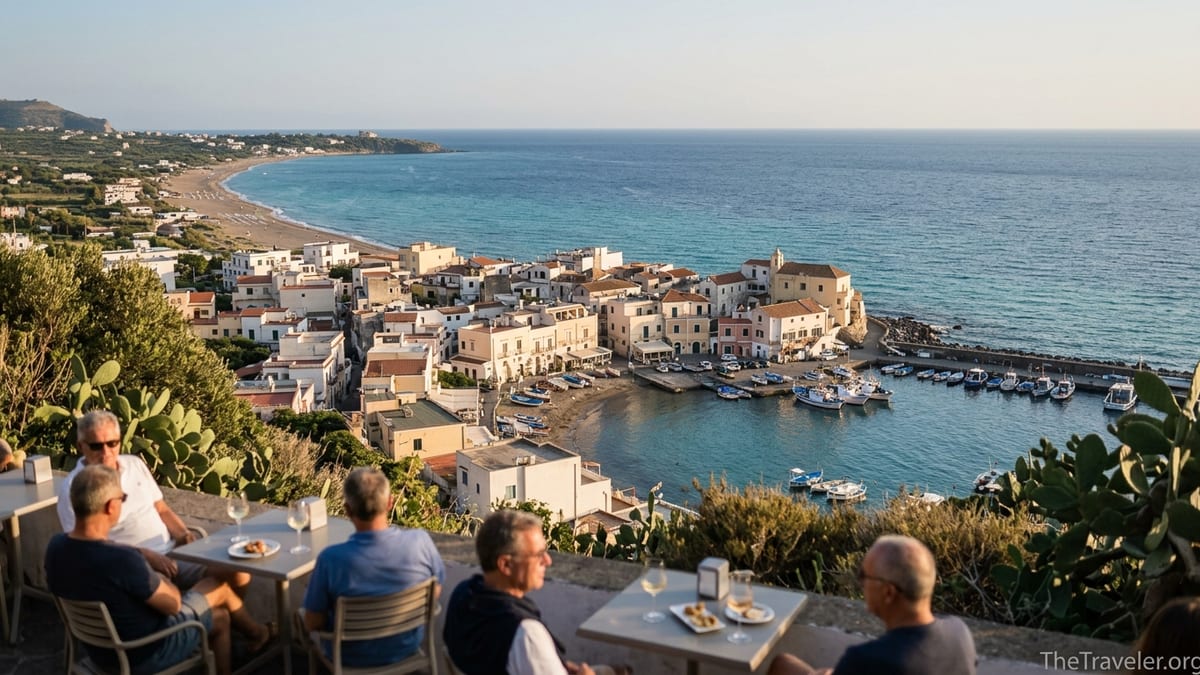
Ischia vs. The Usual Suspects: A Different Kind of Island Escape
Capri and the Amalfi Coast draw deserved crowds, but they also bring premium prices and tightly packed streets. In high summer it is common to queue for buses in Anacapri, pay elevated rates for sun loungers in Positano, and navigate lanes jammed with day-trippers off cruise ships. By contrast, Ischia tends to attract Italians and in-the-know travelers who are staying longer, moving slower, and spreading out across six distinct towns instead of concentrating in one famous village.
That difference is obvious the moment you step off the ferry. At Ischia Porto the waterfront is busy but not overwhelming, and within 20 minutes on a local bus you can be in a quieter base like Forio or Lacco Ameno, where seafront promenades are lively in the evening yet calm during the day. A couple arriving in July might pay a moderate nightly rate for a sea-view room near Chiaia beach in Forio instead of the dramatically higher costs for comparable rooms with views in Positano or Capri.
Ischia also remains a place where people actually live year-round. With more than 60,000 residents, you will see schoolchildren in uniform, older locals gossiping in piazzas, and shopkeepers who know each other by name. That everyday rhythm, combined with the island’s thermal waters and easy connections to Naples, makes it feel more like a Mediterranean home base than a polished resort stage set.
For many travelers this balance is the real luxury. You can spend a morning soaking in natural hot springs, enjoy a plate of spaghetti alle vongole at a simple harbor trattoria, and linger over a sunset spritz without feeling rushed off your table. The island’s infrastructure is welcoming but not over-curated, which is precisely why Ischia still feels like a discovery.
Getting There: Ferries, First Impressions, and How Long to Stay
Reaching Ischia from Naples is straightforward, and the journey sets the tone for a slower stay. High-speed hydrofoils and larger ferries run from the city’s main piers to Ischia Porto and, on some routes, onward to Forio. In 2026, there are dozens of daily crossings in peak season, with travel times generally between about 50 minutes and 1 hour 45 minutes depending on the vessel and route. One-way tickets often start in the single digits in euros for standard ferries, with surcharges for faster hydrofoils and vehicle transport.
From the United States, many travelers land in Rome or Naples and connect by train to Napoli Centrale before taking a short taxi or tram ride to the ferry piers. Booking ferry tickets in advance is strongly advised for July and August, particularly for afternoon returns, but outside peak weeks it is still common for travelers to buy tickets on the day of departure at the port ticket offices. Families bringing a rental car should factor in higher fares and consider whether they truly need a vehicle, since Ischia’s coastal buses and taxis cover most visitor routes.
Once you arrive, local buses ring the island regularly, linking Ischia Porto with Casamicciola, Lacco Ameno, Forio, and Sant’Angelo. Day passes are available from newsstands and tabacchi shops on the island and can be handy for visitors staying in one town but planning several beach and thermal park days in others. Many returning visitors describe the buses as crowded at rush hours but manageable for leisure travel, provided you allow extra time and pick up a printed timetable from the station.
To feel Ischia’s unhurried side, aim for at least three nights. Four to five nights allows a rhythm of one “outing” day, one “doing nothing” day. A typical stay might include a full day at a thermal park, a boat tour around the island with swim stops, and a slow exploration of villages like Forio and Sant’Angelo, punctuated by beach hours wherever the weather and your energy levels lead.
Where to Stay: Matching Towns to Your Travel Style
Choosing the right base on Ischia can shape your entire experience. Ischia Porto offers the most convenient arrival, a busy harbor, and quick access to buses, making it practical for short stays or travelers planning frequent day trips. The neighborhoods around Lido beach and Ischia Ponte, near the Aragonese Castle, combine swimming spots with historic atmosphere, though they can feel livelier and more built-up than other areas.
For a more laid-back escape, many visitors gravitate toward Forio on the western side. Here you will find long, sandy stretches like Chiaia and San Francesco, backdropped by pastel houses and the whitewashed Santa Maria del Soccorso church overlooking the sea. Midrange hotels and guesthouses cluster within walking distance of the waterfront, and evenings bring relaxed passeggiate, gelato stands, and seaside bars rather than high-end nightlife. Couples on honeymoon often choose boutique properties tucked into the hills above Forio, where infinity pools look across to the Citara coastline.
Lacco Ameno has a quieter, village feel with a curved bay, the iconic mushroom-shaped rock offshore, and several spa-focused hotels using their own thermal springs. Guests at upscale properties here typically enjoy private park-like grounds, small coves, and shuttles down to San Montano beach, one of the island’s prettiest sheltered bays. Travelers who value on-site wellness facilities and easy, flat strolls along the seafront tend to find Lacco Ameno particularly restful.
On the southern side, Sant’Angelo is Ischia’s postcard village: a pedestrian isthmus connecting the main island to a rocky outcrop, lined with boutiques, cafes, and small hotels. There are no cars in the center, and luggage is often transported by small electric carts, which reinforces the unhurried, tucked-away feel. Staying here suits travelers who prioritize scenery and quiet nights over quick connections, as reaching the rest of the island requires scheduled microbuses, water taxis, or longer bus rides to and from the main road above the village.
Thermal Bliss: Why Ischia Is Italy’s Original Wellness Island
Ischia sits on a volcanic foundation that heats underground aquifers, feeding hot springs, fumaroles, and mineral-rich mud used for treatments. While nearby islands may have glamorous hotels with spas, Ischia has entire complexes built around thermal wellness. For visitors, that means a rare chance to spend full days moving between pools of varying temperatures, sea views, and lush Mediterranean gardens, all in one ticketed space.
Giardini Poseidon, on Citara beach near Forio, is one of the largest and most famous thermal parks. Its terraced pools cascade down a hillside planted with bougainvillea and pines, ending at a wide sandy beach. A typical full-day ticket in the 2025 season costs in the several dozen euros per adult depending on the month and any online promotions, giving access to a range of pools, saunas, and loungers. Families should note that children have restricted access to some hotter pools, though they can enjoy the beach and cooler areas.
On the northern side near Lacco Ameno, Negombo thermal park wraps around the sheltered cove of San Montano. Trails wind past contemporary sculptures and botanical plantings to small pools hidden in grotto-like corners and panoramic terraces. Price lists for 2026 day entry suggest broadly similar ranges to Poseidon, again with lower rates outside peak dates. Many visitors pair a few hours of soaking with beach time on the bay’s shallow, calm waters, which are ideal for less confident swimmers.
Beyond the big-name parks, Ischia’s volcanic character surfaces in more rustic ways. At Sorgeto Bay, geothermal water bubbles up between rocks right in the sea, creating natural hot pools that locals use year-round, accessed by a flight of steps down the cliff or by boat. In the Maronti area, fumarole fields heat pockets of sand; some beach restaurants use this geothermal warmth for slow-cooked dishes sealed in foil and buried until lunchtime. These experiences remind travelers that wellness here is woven into the landscape rather than added as an afterthought.
Beaches Made for Unhurried Days
While many southern Italian coasts are defined by dramatic cliffs and compact pebble coves, Ischia offers something rarer in the region: extensive, walkable sandy beaches. On the south coast, Maronti stretches for around two kilometers between Punta della Signora and the village of Sant’Angelo, backed by low hills and dotted with lidos and free sections. On calm days the water here can be remarkably clear, and a local water taxi shuttles between the Sant’Angelo harbor and different points along the bay, turning the shoreline into a string of easy day-trip options.
To the west near Forio, Citara and Chiaia beaches are popular with families and couples who want sunbeds and beach clubs without the cramped feeling that can accompany more famous resort towns. Citara, directly in front of Giardini Poseidon, brings together classic rows of umbrellas, casual bars for lunchtime salads and panini, and a wide horizon where the sun sets into the Tyrrhenian Sea. Chiaia is shallower and more sheltered, so it often hosts groups with children who can wade and play close to shore.
On the northern shore, San Montano bay curls in a nearly perfect arc between low cliffs, its sandy shallows extending far out, which makes it a favorite for those who prefer gentle entry into the sea. Nearby, more rugged spots like Cartaromana offer rockier access but unforgettable views, including vistas of the Aragonese Castle rising from its own islet. Reaching Cartaromana involves a walk or a boat ride from Ischia Ponte, but the reward is a sense of being slightly removed from the bustle of the port.
For travelers used to the tightly packed sunbeds and premium prices of places like Positano’s Spiaggia Grande, Ischia’s beaches feel notably more relaxed. There are still private lidos with set prices for loungers and umbrellas, but there are also generous free sections, informal bars, and space to move. It is entirely possible to arrive by mid-morning, rent a pair of sunbeds for a moderate fee, and spend the day reading, swimming, and strolling without feeling nickeled-and-dimed at every turn.
Slow Villages, Local Food, and Even Slower Evenings
Ischia’s charm goes beyond sea and spas. In village centers and along quiet lanes, daily life continues at a measured pace, giving visitors a glimpse of an island that works for residents as well as guests. Forio’s old town, for example, remains a functioning local hub where fruit vendors set up near the church, residents catch up over espresso, and boutiques sell both linen resort wear and practical household goods. Streets fill gently after sunset, but the mood stays neighborly rather than performative.
Food is another area where Ischia stands apart. The island’s volcanic slopes support vineyards that produce local white wines, often served by the carafe in trattorias. These pair naturally with seafood harvested from the surrounding waters: grilled pezzogna fish, spaghetti with clams, and platters of fried anchovies are common menu staples. Inland, traditional dishes like coniglio all’ischitana, rabbit stewed with tomatoes, herbs, and white wine, speak to the island’s agricultural heritage.
Experiences rooted in the landscape are easy to find. On Maronti beach, for instance, some long-established restaurants prepare whole fish sealed in foil and slow-cooked under the hot sand where volcanic steam rises. Diners who reserve earlier in the day can watch staff uncover the foil parcels in the afternoon, then enjoy the tender, subtly smoky fish at a simple table just steps from the surf. Elsewhere, rustic thermal spots such as the natural gorge of Cavascura offer cave-cut treatment rooms and mineral mud sourced directly from the springs.
Evenings typically revolve around relaxed rituals. In Sant’Angelo, aperitivo might mean a glass of local wine on a terrace overlooking the harbor as small boats shuttle in and out. In Lacco Ameno and Ischia Porto, people drift along the promenade, pausing at gelaterie or bars with live music. Late-night clubbing is less prominent than on Capri or in parts of the Amalfi Coast, which suits travelers seeking unhurried conversation and early morning swims rather than sunrise dance floors.
Costs, Practicalities, and When to Go
Ischia is not a budget destination in absolute terms, particularly in high season, but it often represents better value than nearby icons when you compare what you receive for the price. A midrange hotel with a pool and sea view in Forio or Lacco Ameno typically costs less than a similarly positioned property along the Amalfi Coast in July or August. Thermal park entry, beach club rentals, and restaurant meals also tend to be more moderate, especially when you choose local trattorias just off the busiest promenades.
Visitors should factor in the local tourist tax, which from May 2026 is charged per person per night across various categories of accommodation, with higher rates for four and five star hotels and peak periods. For a couple staying a week in a midrange hotel, this adds up to a noticeable but manageable supplement on top of the room rate. It is usually collected by the property at checkout and itemized on the bill, so it rarely comes as a surprise to travelers who have done even basic research.
Getting around without a car is feasible but requires a patient mindset. Island buses can be crowded in the mornings and late afternoons, and timetables may change seasonally. Many repeat visitors recommend buying day passes, traveling slightly outside rush hours, and using taxis or boat taxis selectively for key journeys, such as returning from a late dinner in Sant’Angelo or reaching a trailhead. Hiring scooters can be appealing, but the island’s narrow, winding roads and local driving style mean this is best reserved for confident riders.
As for timing, late May, June, and September strike the best balance of warm seas, long daylight, and manageable crowds. July and August bring a festive energy and more events, along with higher prices and busier ferries. In shoulder months outside the main season, some hotels and thermal parks close or run reduced services, but walkers, spa-goers, and those seeking quiet may still find plenty to appreciate, especially on sunny autumn days when the sea retains summer’s warmth.
The Takeaway
Ischia is not the place for those seeking headline glamour, superyachts lined up in rows, or a checklist of “must see” spots that everyone already knows. Instead, it offers something subtler and, for many travelers, more restorative: space to stretch out on long sandy beaches, time to soak in mineral-rich pools, and the feeling of sliding into the everyday rhythm of a real island community. You may still visit Capri or the Amalfi Coast for their drama, but leaving Ischia off your itinerary risks missing the destination where southern Italy genuinely exhale.
On a practical level, the island’s combination of frequent ferries, diverse villages, and layered landscapes makes it surprisingly accessible. In a single day you can hike a crater rim, have lunch in a fishing harbor, and end with a thermal soak overlooking the sunset. That variety, delivered at a slower pace and with more room to move, is what keeps many visitors returning year after year.
For travelers willing to step one ferry ride beyond the obvious, Ischia rewards curiosity with warmth, authenticity, and a kind of relaxation that lingers long after your return flight. In a corner of Italy where destinations can sometimes feel overscripted, this volcanic island still writes its own story, and it is one well worth making time to read.
FAQ
Q1. How long should I stay on Ischia for a relaxing trip?
Most travelers find that three to five nights is ideal. Three nights allow time for a thermal park, one or two beach days, and an evening exploring a village like Forio or Sant’Angelo without rushing.
Q2. Is Ischia easy to visit without a car?
Yes. Ferries connect directly to Ischia Porto and sometimes Forio, and buses circle the island throughout the day. Taxis and small boat services fill in the gaps, so many visitors are comfortable relying on public transport and walking.
Q3. Which town on Ischia is best for first-time visitors?
Forio is often recommended because it balances sandy beaches, a pretty historic center, sunset views, and good bus connections. Ischia Porto also works well for short stays focused on access and convenience.
Q4. Are the thermal parks suitable for children?
Thermal parks like Giardini Poseidon and Negombo welcome families, but children are often restricted from the hottest pools for safety reasons. They can usually enjoy the cooler pools, gardens, and adjacent beaches instead.
Q5. When is the best time of year to visit Ischia?
Late May, June, and September typically offer warm weather, swimmable seas, and fewer crowds than July and August. High summer brings a lively atmosphere but also higher prices and busier ferries and beaches.
Q6. How expensive is Ischia compared with Capri or the Amalfi Coast?
Ischia is generally more affordable. Accommodation, beach clubs, and restaurant meals often cost less than in Capri or the most famous Amalfi Coast towns, especially if you choose local trattorias and midrange hotels.
Q7. Can I visit Ischia as a day trip from Naples?
It is possible as a long day trip, but you will only sample one or two areas. Given the ferry travel time and the island’s size, staying at least one or two nights provides a much more relaxed experience.
Q8. Is swimming safe around Ischia’s volcanic beaches and hot springs?
Yes, swimming is generally safe at designated beaches and thermal areas. At natural hot spots like Sorgeto, it is wise to test the water temperature with your hand and follow local advice, as some rocks can be very warm.
Q9. Do I need to book thermal parks and ferries in advance?
In peak months, advance booking is strongly recommended for popular thermal parks and for ferries at the busiest times of day. In shoulder seasons, same-day bookings are more common, but planning ahead still offers peace of mind.
Q10. Is Ischia suitable for travelers who prefer quiet over nightlife?
Very much so. Evenings tend to focus on seaside walks, relaxed aperitivo, and late dinners rather than clubs. Villages like Sant’Angelo and Lacco Ameno are particularly calm after dark, ideal for early nights and early swims.