


Naples sits at the center of one of Italy’s richest coastal playgrounds, with Capri, Procida and the Amalfi Coast all competing for your limited days. Ischia is often the wildcard: a green volcanic island known for its thermal spas, sandy beaches and lived-in feel. The question many travelers ask while planning a stay in Naples is simple but important: is Ischia actually worth carving time out of a busy Campania itinerary, or should you focus elsewhere?
Get the latest updates straight to your inbox!
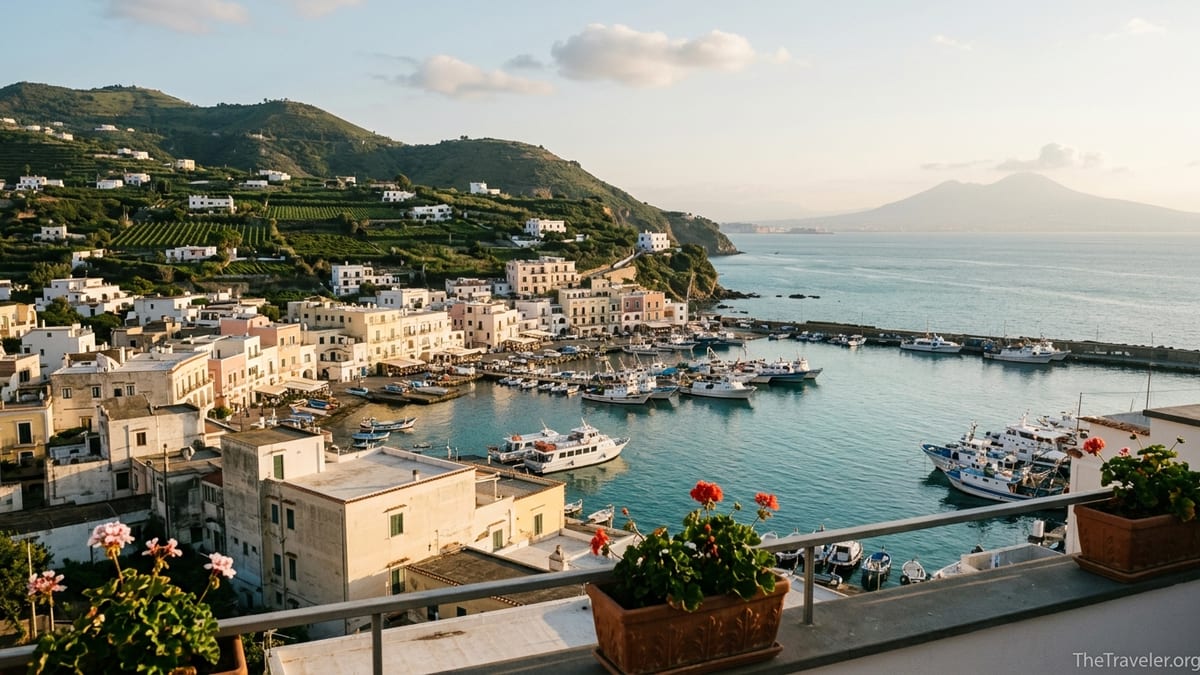
What Ischia Offers That Naples Itself Does Not
Naples is intense, urban and endlessly fascinating, but it is not a beach destination. Ischia, by contrast, is all about slowing down: hot mineral springs that bubble up into seaside pools, low-key beach clubs and a surprisingly wild interior of terraced vineyards and chestnut woods. For travelers using Naples as a base, Ischia can feel like stepping into a different world after just an hour on the water.
The island’s best known draws are its thermal parks. At Poseidon Gardens in Forio, for example, you move between terraced pools ranging from cool plunge baths to nearly 40°C, many with direct views of the Bay of Naples. A standard full-day entrance usually runs in the ballpark of 50 to 70 euros per adult, depending on season and package, comparable to a nice spa day in a major European city but with the addition of a volcanic beach below the pools.
Ischia also offers proper stretches of sand, something notably lacking in central Naples. On Spiaggia dei Maronti near Barano, basic sunbed and umbrella rentals at simple lidos often start around 15 to 25 euros for two people in summer, while more upscale setups are higher. In practice, this means a couple who spends a morning exploring Naples’ Centro Storico and the National Archaeological Museum can be lying on warm sand with a cold beer in hand by the late afternoon of the same day, if they time the ferries right.
Equally important is atmosphere. Unlike Capri, where day trippers dominate, Ischia retains a strong year-round community. Evening strolls through Ischia Porto or Forio are filled with locals doing their shopping or meeting for aperitivo at neighborhood bars. If you want a break from the tourist crush of Via Toledo or Spaccanapoli without giving up good food and decent transit connections, Ischia is a compelling counterpoint that still feels authentically southern Italian.
Getting From Naples to Ischia: Time, Cost and Practicalities
From a logistics standpoint, Ischia is one of the more straightforward islands to reach from Naples. Ferries and high-speed hydrofoils run from the main city port from around early morning to late evening for most of the year, with roughly 20 or more departures on a typical summer day when you combine all operators. Crossing times range from about 50 minutes on a fast hydrofoil to 1 hour 30 minutes on the slower car ferries.
Ticket prices fluctuate with operator, season and how early you book, but as a working estimate, foot-passenger hydrofoil tickets between Naples and Ischia often land somewhere in the 20 to 35 euro one-way range in high season. Slower ferries are usually a bit cheaper, while bringing a car on board can increase costs significantly. Travelers landing at Naples Capodichino Airport can take the dedicated airport bus to the port for a small extra cost, buying ferry tickets directly at the terminals or in advance through booking platforms.
In real terms, this means a couple making a day trip might spend around 80 to 120 euros total just on round-trip hydrofoil tickets, before any spending on food, beach clubs or spa entrances. For many, this is a reasonable price for a full day in a very different setting. However, for budget-conscious travelers, that transport cost alone is a good reason to consider staying a night or two on the island to make the most of what you are paying to reach.
Schedules are frequent but not infinite. The last evening ferries back to Naples generally leave Ischia in the early-to-late evening depending on season, and sailings can be reduced in winter or in rough seas. If you have a morning flight out of Naples or a time-sensitive train, it is wise to sleep on the mainland the night before rather than counting on the final boat from Ischia. Travelers in recent seasons have occasionally reported missed connections when weather or delays disrupted the last services, a reminder that island trips always require some buffer time.
When Ischia Fits Nicely Into a Naples Itinerary
How much time you have in Naples is the biggest factor in deciding whether Ischia belongs in your plans. If you have four or five full days or more in the area, dedicating at least one of those to Ischia starts to make sense, especially if you enjoy water, spas and quieter evenings. With a week in Campania, many visitors now choose to split nights between Naples and an island, either Ischia itself or a combination of Ischia and nearby Procida.
Consider a scenario where you have six nights total. A realistic structure might be three nights in Naples to focus on city sights, Pompeii and perhaps the Amalfi Coast, then three nights in Ischia for beaches, spa days and coastal walks. This pacing allows you to visit a thermal park like Negombo, spend half a day exploring Castello Aragonese, and still have lazy afternoons in a beachside bar in Forio or Sant’Angelo without rushing to catch a returning ferry.
By contrast, if you have only two full days in Naples, Ischia becomes a tougher sell. In that timeframe, many travelers find more value in exploring the historic center, the archaeological museum, and an easy half-day to Pompeii or Herculaneum rather than losing several hours to boat travel and orientation on a new island. In such cases, a short trip to nearby Procida or a coastal stroll in Posillipo may offer a simpler taste of the sea without such a big time investment.
Season also plays a role. Between roughly May and September, when water temperatures and ferry schedules are at their best, Ischia can be a highlight of a Naples-based trip. In the shoulder months of March or November, when some beach clubs and thermal parks cut hours and evening breezes can be chilly, the island may feel sleepy unless your primary interest is peaceful hiking and hot springs rather than swimming and nightlife.
Day Trip or Overnight Stay: What Works Best
Technically, doing Ischia as a day trip from Naples is easy. In summer, you can catch a hydrofoil between 8 and 9 in the morning, arrive on the island before 10, spend six to eight hours at a thermal park or on the beach, then return on an evening sailing around 18:00 or 19:00. Many tour companies now package this into simple “thermal park day” offers that include tickets and transport, appealing to visitors who prefer an organized structure.
In practice, however, Ischia reveals more of its character if you stay overnight. Even one night lets you wander Ischia Ponte’s quiet streets after the day trippers have left, or watch the sunset from a seaside bar in Forio without scanning your watch for the last ferry. Hotel rates vary widely, from simple pensions and guesthouses starting around 80 to 120 euros per night in high season to upmarket spa hotels charging several hundred euros, but with a bit of notice you can usually find a mid-range room that includes breakfast and access to small in-house thermal pools.
If you are deciding between Ischia and other overnight options like Sorrento or Capri, think about the experience you want. Capri excels at drama and glamour, with designer boutiques and cliffside terraces. Ischia is more about space and ease. It is larger and more spread out than Capri, with multiple towns such as Ischia Porto, Forio and Lacco Ameno each offering different vibes. That scale means buses and taxis play a bigger role in getting around, but it also means you can still find relatively quiet corners in peak season.
Travelers with limited budgets should factor in local transport. Bus tickets on the island are inexpensive, yet journeys can be crowded in July and August, especially on routes to the most popular beaches and spas. Taxis and hotel transfers, on the other hand, can feel surprisingly costly for short distances. Renting a scooter is common among confident riders, giving flexibility to reach viewpoints like Monte Epomeo or secluded coves, though less experienced drivers should weigh the island’s hilly, sometimes narrow roads before committing.
Highlights That Justify the Detour From Naples
Whether Ischia earns its place in your Naples itinerary ultimately depends on how much the island’s specific highlights appeal to you. The most obvious starting point is Castello Aragonese, the fortified island fortress connected to Ischia Ponte by a stone causeway. Spending a few hours here means winding past small churches and terraces that look back toward Vesuvius across the bay. Entrance fees are usually in the same range as a mid-tier museum ticket in Naples, and a café inside the complex makes it an easy half-day excursion without strict scheduling.
Thermal parks are another pillar of Ischia’s appeal. Beyond Poseidon Gardens, parks like Negombo in Lacco Ameno combine landscaped pools with direct sea access, shaded relaxation areas and on-site restaurants. Many visitors from Naples plan their entire day around a single park: arriving mid-morning, enjoying multiple circuits through pools of varying temperature, having a long seafood lunch, and finishing with a late-afternoon swim in the sea before catching a sunset ferry back to the mainland.
For travelers more interested in nature than spas, Ischia’s interior is a strong argument in its favor. Hiking trails around Monte Epomeo, the island’s highest peak, reward walkers with broad views over the Bay of Naples and neighboring islands. Paths often begin from villages in the hills above Casamicciola or Forio, where small tavernas serve simple dishes like rabbit alla cacciatora and local white wines grown on the island’s volcanic slopes. Compared with urban Naples, where green space is limited, these rural corners of Ischia feel surprisingly remote considering they are only an hour by boat from the city.
Finally, food and wine on Ischia are an attraction in their own right. Seaside restaurants in towns like Sant’Angelo specialize in freshly grilled fish, linguine with clams and local rabbit dishes, usually at prices that are somewhat lower than the most famous dining rooms on Capri or the Amalfi Coast. For a traveler who has spent a couple of days weaving through Naples’ street-food scene, an unhurried, sit-down meal on a terrace above the water can feel like exactly the kind of contrast that justifies another leg of travel.
Risks, Crowds and When Ischia Might Not Be Worth It
Although Ischia remains a beloved holiday island, it is not without downsides. In high summer, ferries can be crowded and some sailings sell out in advance, especially on weekends. If you arrive at the port of Naples expecting to board the next boat without a reservation during a July heatwave, you may find yourself waiting several hours or adjusting your plans to a slower ferry from another port such as Pozzuoli. Booking tickets ahead of time for peak dates is a sensible step.
On the island itself, the most famous thermal parks and beaches can feel busy in the middle of the day. Many regulars recommend arriving at parks later in the afternoon, when temperatures soften and day trippers start to leave, rather than arriving at opening time and staying through the hottest hours. Likewise, public buses in peak season can become packed, which may be stressful for travelers with mobility issues or those used to more predictable urban transit systems.
From a safety perspective, Ischia is an active volcanic island with a history of seismic events, including a damaging earthquake in 2017 that affected parts of Casamicciola and surrounding areas. While the island continues to operate as a mainstream tourist destination, and accommodations and public structures are subject to Italy’s evolving building and safety regulations, cautious travelers may wish to book lodgings in well-reviewed properties and keep an eye on any local advisories, just as they would in other seismically active parts of Italy.
There are also types of trips for which Ischia may simply not be the right fit. If you are deeply focused on classical archaeology, for example, the time it takes to reach the island might be better spent on slower, deeper visits to Pompeii, Herculaneum, Paestum or the museums of Naples. If nightlife is your top priority, Naples itself, with its tightly packed bars around Piazza Bellini and the Chiaia district, or even Capri’s late-night scene, will be more rewarding than Ischia’s relatively low-key evenings.
The Takeaway
So, is Ischia worth visiting during a trip to Naples? For many travelers, the answer is yes, provided you have enough time and a genuine interest in what the island does best: thermal waters, relaxed beaches, village life and gentle hikes with sea views. Ischia is not just another pretty stop; it offers a notably different rhythm from Naples’ crowded alleys and museums, while remaining close enough that you can move between the two in under two hours door to door.
If your stay in Naples is short or anchored around archaeological sites and city culture, Ischia may feel like an unnecessary diversion that adds cost and complexity. But if you can spare at least one full day, and ideally a night or two, the island often becomes one of the most memorable parts of a Campania itinerary. Many visitors who make the effort to cross the bay end up describing Ischia as the place where their trip finally slowed down enough for them to taste what southern Italy feels like beyond the big-name sights.
In practical terms, the decision comes down to priorities. Look at your calendar, your budget and your energy levels. If the idea of leaving crowded streets behind for a hot mineral pool above a volcanic beach appeals to you, Ischia is very likely worth the detour. If every day is already spoken for with must-see ruins and city walks, save the island for a future trip and enjoy the many rewards that Naples and the mainland offer within easier reach.
FAQ
Q1. Can I visit Ischia as a day trip from Naples?
Yes, a day trip is possible and common in summer. Expect about 2 to 3 hours total on ferries and ports round-trip, leaving you roughly 6 to 8 hours on the island if you take early and late sailings.
Q2. How much does the ferry from Naples to Ischia usually cost?
Prices vary by operator and season, but a typical one-way hydrofoil ticket for a foot passenger often falls somewhere around 20 to 35 euros in high season, with slower ferries generally a bit cheaper.
Q3. Which part of Ischia is best to stay in for first-time visitors?
Ischia Porto works well if you want easy access to ferries and nightlife, Forio is great for sunsets and beaches, and Sant’Angelo appeals to those seeking a quieter, more scenic village atmosphere.
Q4. Are the thermal parks on Ischia worth the price?
For travelers who enjoy spas and hot springs, most find the thermal parks good value. A full day at a park like Poseidon or Negombo combines pools, sea access and relaxation in one place, which can justify the cost compared with multiple separate activities.
Q5. Is Ischia or Capri better if I have time for only one island from Naples?
Choose Capri if you want dramatic scenery, luxury shopping and a more glamorous scene. Pick Ischia if you prefer more space, sandy beaches, thermal baths and generally lower prices for accommodation and dining.
Q6. Is Ischia safe given its volcanic and seismic activity?
Ischia is an active volcanic island with a history of earthquakes, but it functions as a regular tourist destination. Authorities monitor seismic activity, and most visitors experience no issues, though it is sensible to follow local guidance as you would anywhere in Italy.
Q7. What is the best season to visit Ischia from Naples?
Late spring through early autumn, roughly May to September, offers the best combination of warm sea temperatures, frequent ferry connections and open beach clubs and thermal parks. Shoulder months are quieter but can feel cool for swimming.
Q8. Do I need a car on Ischia, or can I rely on public transport?
You can comfortably get around using the island’s bus network and occasional taxis or hotel shuttles. Confident riders sometimes rent scooters for more flexibility, but many first-time visitors manage well without a car.
Q9. How many days should I spend on Ischia if I am staying in Naples?
If you can, plan at least one full day and night to appreciate the island beyond a rushed day trip. Two or three nights is ideal for combining a thermal park visit, some beach time and a bit of hiking or village exploration.
Q10. Is Ischia suitable for families traveling from Naples?
Yes, Ischia works very well for families. Sandy beaches with shallow entry, hotel pools, and relaxed seaside promenades give children space to play, while adults can enjoy the scenery, food and thermal waters in a laid-back setting.