


Few small towns in the United States stir up stronger travel opinions than Gatlinburg, Tennessee. For some, it is a beloved gateway to the Great Smoky Mountains National Park, a place of hazy ridgelines, cabin decks with hot tubs and pancake houses on every corner. For others, it is the definition of an overbuilt tourist strip, choked with traffic and souvenir shops. With visitation to the Smokies setting records in recent years, the debate over Gatlinburg has only grown louder. Understanding why some travelers love it and why others avoid it can help you decide where you fall on the spectrum.
Get the latest updates straight to your inbox!
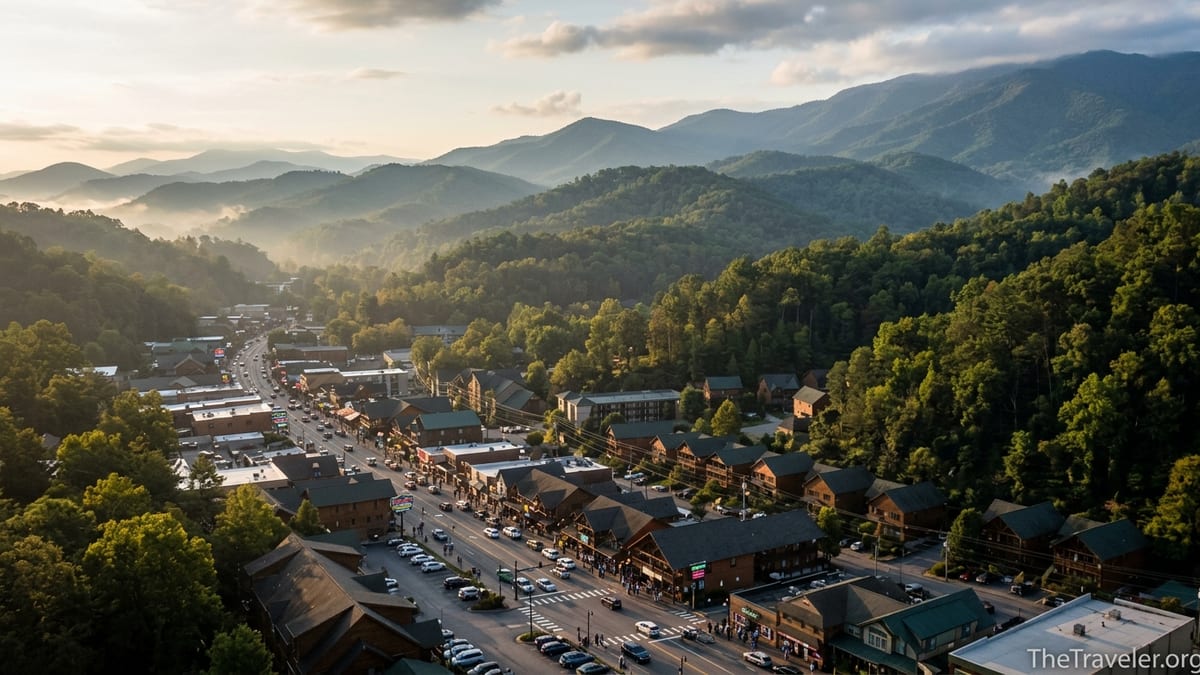
The Smoky Mountains Gateway Millions Love
One reason Gatlinburg attracts such fierce loyalty is simple geography. It sits at the busiest entrance to Great Smoky Mountains National Park, the most visited national park in the United States. Recent National Park Service figures show well over 13 million visits annually, with the Sugarlands area just above Gatlinburg alone drawing more than 4 million recreation visits in 2023. For many travelers driving from Atlanta, Cincinnati or Charlotte, Gatlinburg is quite literally the front door to the Smokies.
That location means you can leave a hotel or downtown condo on the Parkway, drive 10 to 15 minutes up U.S. 441, and be standing at trailheads for Cataract Falls, the Sugarlands Nature Trail or well on your way toward Newfound Gap. Families with mixed interests often love this setup. One teenager can spend the morning on the Gatlinburg SkyBridge, another can hike an easy trail with grandparents, and everyone can be back downtown in time for dinner. For groups trying to balance outdoor time with creature comforts, Gatlinburg’s role as a gateway feels ideal.
The surrounding cabin market is another big draw. In the Gatlinburg and wider Sevier County area, there are tens of thousands of short-term rental listings ranging from rustic one-bedroom log cabins to multi-story chalets with game rooms and theater-style seating. A couple booking in shoulder season might find a basic cabin with a hot tub and mountain peek views for around 150 to 200 dollars per night, while a large extended family could split a six-bedroom cabin at 500 to 800 dollars per night during a typical spring weekend. For many visitors, those private decks, porch swings and firepits are where their fondest Gatlinburg memories are made.
Travelers who fall in love with Gatlinburg often mention the ease of trip planning. There is an airport connection through nearby Knoxville, an abundance of hotels from budget chains to mid-range resorts, and no shortage of dining options. You can book a weekend with very little advance research, knowing there will be something open and available nearly every month of the year.
What Fans Appreciate: Atmosphere, Attractions and Affordability
Beyond location, Gatlinburg loyalists often describe the town as comforting and nostalgic. For many Southerners and Midwesterners, it was their childhood vacation spot, and they return with their own kids for the familiar ritual of pancake breakfasts and evening walks under the Parkway’s neon signs. Winter visitors rave about the town’s Christmas light displays, when animated light tunnels and oversized decorations run along the Great Smoky Mountains Parkway and side streets from late fall into early January. Couples gravitate toward cozy cabins for anniversary trips, enjoying a mix of scenic drives by day and hot tubs or fireplaces at night.
The attractions themselves also have fans. The Gatlinburg SkyLift and SkyBridge tempt travelers with broad valley views and photo opportunities, while Anakeesta’s mountaintop village offers a chairlift ride, treetop suspended bridges and a family-friendly alpine coaster. A standard adult ticket for these types of mountaintop attractions often falls in the 30 to 40 dollar range before add-ons, which some travelers find reasonable given the views and built-in activities. Families frequently pair a morning of hiking with an afternoon at Ripley’s Aquarium of the Smokies, which has been repeatedly praised in consumer rankings for its walk-through shark tunnel and hands-on exhibits.
There is also an affordability argument in Gatlinburg’s favor. Compared with coastal destinations or theme park cities, lodging and food here can be relatively budget-friendly outside peak holidays and foliage weeks. A mid-range hotel room within walking distance of the Parkway might be found between 120 and 200 dollars per night in early December or late winter. Visitors report that a family of four can get a sit-down breakfast at a pancake house for 40 to 60 dollars including tip, and basic pizza or burger dinners can be similar, especially if you avoid the most heavily branded venues.
For certain types of travelers, the very things critics dislike are part of the charm. People who genuinely enjoy mini-golf courses, old-fashioned photo studios, arcades and tasting rooms can spend several days walking the strip and never get bored. Compared with more polished resort cities, Gatlinburg often feels unpretentious, and some visitors see its slightly kitsch atmosphere as part of its identity rather than a flaw.
Why Some Travelers Avoid Gatlinburg Entirely
On the other side of the spectrum are travelers who visit once and vow not to return. Their complaints typically start with congestion. Local traffic data shows daily vehicle counts in the tens of thousands along the Parkway through Sevierville, Pigeon Forge and into northern Gatlinburg. Travelers frequently describe a scenario where a 10-minute drive on a map becomes 45 minutes or an hour on a busy Saturday in October or during a summer holiday week. Crossing downtown Gatlinburg by car can feel like inching through a theme park parking lot, especially near pedestrian crosswalks.
Parking is a related frustration. While many hotels and cabins offer their own parking, anyone driving into town for the day quickly finds that most downtown lots are paid, often in the 15 to 25 dollar range for several hours. During peak leaf-peeping weekends or between Christmas and New Year’s, some visitors report circling side streets multiple times before finding an open space. Travelers who are used to quieter mountain towns in places like western North Carolina or northern New England can find the crowds and commercialization around Gatlinburg genuinely jarring.
Cultural fit is another factor. People seeking a tranquil mountain village with a few independent cafés and outfitters may feel they have wandered into the wrong place. They notice chain pancake houses, taffy shops, moonshine tasting rooms, political souvenir stores and a high concentration of flashy signage. Some repeat Smokies visitors deliberately stay in less-developed communities like Townsend on the Tennessee side or Bryson City in North Carolina, making day trips through Gatlinburg only for essential errands or a specific attraction.
Food and drink expectations can also influence whether travelers enjoy Gatlinburg. While there are solid independent restaurants and a growing number of breweries and distilleries in the area, the town’s main strip leans heavily on hearty, fried and meat-centric menus. Travelers with strict vegan diets or those seeking lighter Mediterranean or Asian-inspired fare sometimes report limited casual options within walking distance of the Parkway, especially during busy times when the few spots that fit their needs have long waits or are tucked away from the main strip.
Crowds, Overtourism and the National Park Experience
Because Gatlinburg funnels so much traffic into Great Smoky Mountains National Park, feelings about the town are closely tied to perceptions of overtourism in the park itself. The National Park Service has acknowledged that rising visitation has caused congested roadways, overflowing parking lots, and crowded restrooms and visitor centers. On a clear October weekend, the Sugarlands Visitor Center parking area just beyond Gatlinburg can fill early in the morning, with cars lining the road shoulders toward popular trailheads like Laurel Falls. Travelers expecting a solitary wilderness hike sometimes find themselves in a single-file procession instead.
In response to mounting pressures, the park launched the “Park it Forward” program in 2023, requiring visitors who park in the Smokies for more than 15 minutes to purchase and display a parking tag. At the time of writing, a daily tag runs a modest fee per vehicle, with weekly and annual options also available. Many local and repeat visitors view this as a reasonable way to support maintenance of trails, restrooms and visitor services, while some first-time travelers are surprised by the added cost, particularly when they are already paying resort or cabin rates in Gatlinburg.
For hikers and nature-focused visitors, the issue is rarely the existence of Gatlinburg itself but how they manage it. Some avoid the Sugarlands entrance entirely on busy days, opting instead for lesser-known access points like Greenbrier, Cosby or the Foothills Parkway, which often have fewer crowds and more available parking. Others time their visits around the busiest months: July, October and peak holiday weeks are typically the most congested, while January, early February and parts of late April or early May can feel quieter, especially on weekdays.
Travelers who walk away frustrated often did not realize how busy the Smokies can be. They arrive at midday on a Saturday in October, find traffic backed up at Gatlinburg’s park entrance, struggle to find a spot at the first trailhead they see, and conclude that the park is “ruined.” Those who plan around these patterns usually have a very different experience, even if they are staying in the exact same cabin perched above town.
Price Creep and the “Tourist Trap” Perception
The phrase “tourist trap” surfaces frequently in conversations about Gatlinburg, and it usually reflects a mix of pricing and expectations. On one hand, the area remains relatively accessible compared with high-end resort towns. On the other, visitors can feel nickeled-and-dimed if they move from attraction to attraction without paying attention to costs. A family of four riding chairlifts, walking a mountaintop bridge, visiting the aquarium, and sampling a couple of indoor attractions in a single day can easily spend several hundred dollars on activity tickets alone, before food or souvenirs.
Many attractions now operate with dynamic pricing that varies by day and season, which can push adult tickets toward the upper end of the 30 to 50 dollar range during school breaks and peak Saturdays. Parking fees both in town and in the national park (through the parking tag program) add another layer. Some travelers feel that this is fair value for a concentrated vacation experience, while others resent it, especially if they see similar or better mountain views available for free by driving a little farther away from the main strip.
The retail mix contributes to the perception as well. Along the main Parkway you will find multiple shops selling similar T-shirts, fudge, novelty items and mass-produced home décor. Travelers who dislike this style of commerce can feel overwhelmed and conclude that Gatlinburg exists only to separate visitors from their money. Yet other visitors appreciate the convenience of souvenir shops that stay open late and the ability to find inexpensive gifts for children and relatives in one evening stroll.
There is also a gap between marketing imagery and on-the-ground reality. Promotional photos often show an almost empty mountain town framed by orange and red autumn leaves, with a clear view of the ridgeline and a couple walking hand-in-hand on a quiet sidewalk. Travelers arriving to discover multi-lane traffic, crowded crosswalks and bright neon signage may experience disappointment. Those who understand that Gatlinburg is a lively entertainment hub as much as a mountain town are more likely to calibrate their expectations and enjoy it for what it is.
Safety, Wildfires and Environmental Concerns
Some travelers who are hesitant about Gatlinburg point to the 2016 wildfires that swept down from the national park into town, causing significant loss of life and property. The event remains one of the worst natural disasters in Tennessee’s modern history, and news images from that time still circulate online. For a minority of potential visitors, those images create an impression that Gatlinburg is somehow unsafe or still recovering. In reality, the core tourism infrastructure has been rebuilt and operating at full capacity for years, and wildfires of that magnitude are rare in the region.
That said, environmental concerns remain part of the conversation. As visitation has climbed, both the town and the park have had to manage the stress heavy tourism places on roads, water systems and natural resources. National Park Service reports note issues such as roadside erosion, vegetation trampling and strains on restrooms and visitor centers. In town, the sheer volume of vehicles can create localized air quality challenges on stagnant summer days, and litter from high-traffic pedestrian areas requires constant clean-up.
Conscientious travelers sometimes choose their base and activities with impact in mind. They might stay in a cabin community that emphasizes recycling, avoid litter-prone single-use plastics during their stay, or time their hikes away from the most overused trails. Some opt to spend a portion of their vacation budget on guided experiences or local nature tours that support smaller operators and include education about the Smokies’ ecosystems and history.
For many visitors, Gatlinburg represents a lesson in balancing access and preservation. The same roads and accommodations that allow millions of people to see the Smokies also create strain that must be carefully managed. Whether a traveler views Gatlinburg as a symbol of successful access or as a cautionary tale about overtourism depends largely on how they prioritize those competing values.
How to Decide if Gatlinburg Is Right for You
Ultimately, Gatlinburg is neither universally wonderful nor objectively terrible. It is a busy, entertainment-focused mountain town that happens to sit beside one of the most beautiful national parks in the country. Deciding whether it fits your travel style starts with being honest about what you want from the trip. If you envision walking to dinner every night, having a range of attractions within a short drive, and mixing easy nature time with mini-golf, moonshine tastings and candy shops, Gatlinburg may be exactly what you are seeking.
If, on the other hand, your ideal mountain getaway involves quiet streets, limited commercial signage and evenings spent under truly dark skies, you may prefer nearby alternatives. Townsend, about 45 minutes away, markets itself as the “peaceful side of the Smokies,” with fewer neon lights and a slower pace. On the North Carolina side, communities like Bryson City and Cherokee offer access to the same national park with a different feel, though they have their own mix of tourism infrastructure and seasonal crowds.
Timing can be a compromise solution. Travelers who are curious about Gatlinburg but wary of crowds often book in slower periods like mid-January or late February, outside holiday weekends. During those windows, room rates tend to be lower, parking a bit easier, and sidewalks less packed, especially on weekdays. Similarly, starting your day before 9 a.m., using the Gatlinburg Bypass where appropriate, and planning park visits for early morning or late afternoon can dramatically change how busy the town and nearby trails feel.
Thinking practically about your group’s needs also helps. Multigenerational families might accept some congestion in exchange for easy access to medical care, grocery stores and indoor activities if the weather turns. A couple on a once-a-year romantic escape might decide that a quieter cabin farther from the Parkway, even if it means longer drives, is a better fit. Clearly articulating those priorities before booking can keep Gatlinburg from becoming an accidental mismatch.
The Takeaway
Gatlinburg inspires strong reactions because it sits at the intersection of wild scenery and full-throttle tourism. Supporters see a cheerful base camp where you can wake up to mountain mist, spend the day on scenic drives or family attractions, and end the evening with an easy stroll for ice cream. Critics see an over-commercialized strip whose traffic and neon distract from the Smokies’ natural beauty and strain the park’s resources.
Both perspectives contain truth. Gatlinburg provides millions of people each year with their first glimpse of a national park, often at a relatively approachable price point. At the same time, its popularity contributes to congestion and a feeling of crowding both in town and on nearby trails. Whether you come away enchanted or exasperated will depend largely on your expectations, timing, and willingness to plan around the busiest times and spots.
If you thrive on energy, entertainment and convenience, Gatlinburg can be a memorable destination, especially when paired with thoughtful forays into quieter corners of the Smokies. If you crave solitude and subtlety, you may appreciate visiting once, then using that experience to seek out less-developed gateways in future years. Either way, understanding why feelings run so strong on both sides will help you make a more informed decision about how, when and whether to include Gatlinburg in your own travel story.
FAQ
Q1. Is Gatlinburg worth visiting if I mostly care about the national park?
If your priority is hiking and scenery, Gatlinburg can be a convenient base thanks to its proximity to the Sugarlands entrance, but you may want to plan your park days around peak traffic. Consider early starts, alternative trailheads away from the busiest corridors, and possibly splitting your stay with a quieter town if you prefer less commercial surroundings.
Q2. When is Gatlinburg least crowded?
Generally, the quietest times are mid-January through late February and portions of early May and late August, especially on weekdays. Holiday weekends, school breaks, peak summer and October foliage season are typically the busiest. Even in slower months, Saturdays can feel busy, so flexible travelers often target Sunday through Thursday stays.
Q3. How expensive is a typical Gatlinburg trip?
Costs vary, but many visitors find mid-range hotels between roughly 120 and 250 dollars per night depending on season, with cabins ranging from around 150 dollars nightly for simple one-bedroom units in low season to several hundred dollars per night for larger homes. Attraction tickets commonly fall in the 30 to 50 dollar range for adults, and restaurant meals are similar to other mid-priced U.S. tourist towns.
Q4. Can I enjoy Gatlinburg without spending a lot on attractions?
Yes. Many travelers focus on the free experiences in Great Smoky Mountains National Park, such as scenic drives and hikes, and keep their time on the Parkway simple with window-shopping or one paid attraction. Bringing snacks or groceries for some meals, using your cabin kitchen, and selecting just one or two signature activities can keep costs down while still experiencing the area.
Q5. Is Gatlinburg safe for families?
Gatlinburg is generally considered a family-oriented destination, with most crime involving minor property issues typical of busy tourist areas. As in any crowded town, it is wise to keep valuables secure, supervise children closely on busy sidewalks and crosswalks, and follow local guidance during severe weather or rare emergency situations such as wildfire warnings.
Q6. How bad is traffic in and around Gatlinburg?
Traffic can be heavy, especially on weekends, in summer, and during peak fall color. Short distances on a map may take significantly longer in real time. Many visitors mitigate this by parking once and walking downtown, using the Gatlinburg Bypass when appropriate, and scheduling popular drives or park entrances early in the morning or later in the day.
Q7. Are there quieter alternatives near Gatlinburg?
Yes. Townsend on the Tennessee side offers a slower-paced base with access to the national park, and on the North Carolina side towns like Bryson City or Cherokee provide different atmospheres while still serving as gateways to the Smokies. Some travelers stay in these areas and visit Gatlinburg briefly for a day of attractions before returning to quieter lodging.
Q8. Do I need a reservation or permit to visit Great Smoky Mountains National Park from Gatlinburg?
At present, there is no general entry fee or reservation required to enter the park, but vehicles that park for more than 15 minutes must display a valid parking tag. These daily, weekly or annual tags can be purchased in and around Gatlinburg and online through official channels. Certain backcountry activities may require separate permits or reservations.
Q9. What should I pack for a Gatlinburg trip?
Pack comfortable walking shoes for both town and easy trails, layers for variable mountain weather, and rain gear, as conditions can change quickly in the Smokies. If you plan to hike more serious trails, bring proper boots, a daypack, water bottles, and basic first-aid supplies. In town, casual clothing is the norm, and many restaurants are relaxed about dress codes.
Q10. How many days do I need to experience Gatlinburg and the Smokies?
A long weekend of three nights gives many travelers enough time for a full park day, a day focused on Gatlinburg attractions, and a more relaxed day of scenic drives or rest. Those who want to explore multiple trails, visit Cades Cove, or add side trips to nearby towns often plan five to seven nights, sometimes splitting their stay between Gatlinburg and a quieter base to experience both sides of the region.