


Every summer, as soon as school lets out and the days stretch long and humid along the Mid-Atlantic, the Jersey Shore fills up again. Minivans roll over the Garden State Parkway, coolers are packed with hoagies, hotel signs flip to “No Vacancy,” and the same families who have been coming for decades set up their umbrellas in almost exactly the same spot on the sand. Despite competition from farther-flung beach destinations and a changing climate, the Shore’s pull has only grown stronger, with New Jersey welcoming more than 120 million visitors a year and its four coastal counties generating tens of billions in tourism revenue. The question is not just why people come for the first time, but why they keep coming back.
Get the latest updates straight to your inbox!
A Shoreline Built on Nostalgia and Traditions
For many visitors, a week at the Jersey Shore is less a vacation than a standing family appointment. Grandparents who once rode the tram car in Wildwood now watch their grandkids do the same, and families who started in modest motels in Seaside Heights have graduated to rented condos in Ocean City or a cottage in Lavallette. Generations often return to the same towns and even the same blocks, creating a ritual that feels as much a part of summer as fireworks on the Fourth of July. Ask Ocean City regulars why they keep coming back and the answers usually sound the same: the familiar smells of fries and funnel cakes on the boardwalk, the clang of arcade games they played as kids, the simple comfort of knowing exactly where to get ice cream after miniature golf.
This tradition is reinforced by how Shore towns build their summers. Events calendars are structured around annual milestones that families weave into their own histories. In Atlantic City and along Cape May County’s barrier islands, free outdoor concert series return year after year, with tribute bands, classic rock, and local acts playing on beach stages and in seaside parks all season long. Towns like Sea Isle City and Brigantine publish their full summer concert lineups months in advance, so visitors book the same rental week to catch their favorite band or a particular festival. Over time, those events become familiar signposts in family photo albums: the same band, the same beach, but taller kids and more beach chairs.
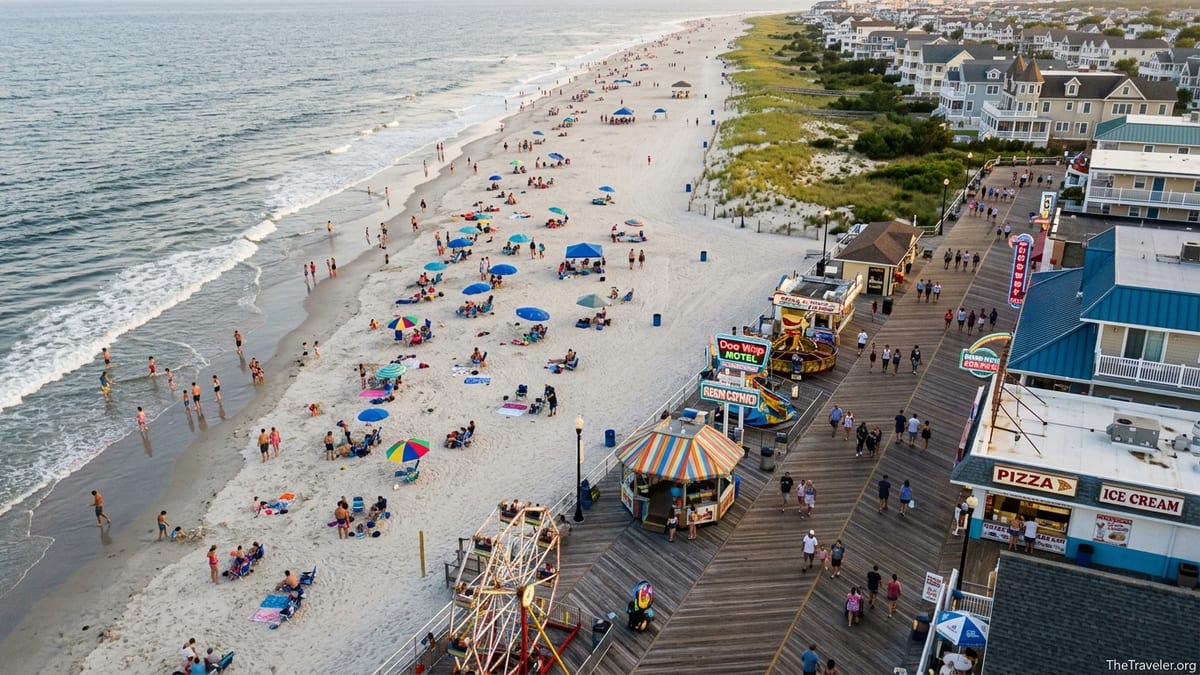
Nostalgia also plays out on the piers and boardwalks. In Wildwood, the 38-block boardwalk still hums with amusement piers, water parks, arcades, and the iconic tram car that has ferried families past neon-lit motels for generations. Even as certain historic rides and parks close or are redeveloped in places like Ocean City and Seaside Heights, their replacements are almost always designed to preserve that sense of low-key summer magic: spinning rides, Ferris wheels with ocean views, and dark rides that delight kids more than they scare them. The landscape changes in details, but the feeling of walking the boards on a humid night with a dripping cone in hand stays remarkably consistent.
New Hotels, Food and Festivals Keep Things Fresh
While tradition is a huge part of the Jersey Shore’s appeal, what keeps many repeat visitors coming back is the sense that there is always something new. In recent seasons, new and renovated hotels have opened from Asbury Park to Wildwood Crest, including retro-inspired oceanfront properties that update classic midcentury “Doo Wop” motel styling with modern pools, cabanas, and family suites. In Wildwood Crest, for example, recent resort upgrades have given long-time visitors more comfortable rooms and resort-style amenities within walking distance of the old-school boardwalk. Couples who first came down in college often return years later for a more grown-up stay, trading motel balconies for full-service resorts with beach service and cocktail bars.
The food scene, once dominated by pizza, cheesesteaks, and soft-serve, has become a reason in itself for travelers to return. Across the Shore, chef-driven spots are putting New Jersey seafood and produce front and center. Visitors can spend the day eating classic boardwalk slices in Seaside Heights or Wildwood, then book a dinner of local oysters, day-boat scallops, and seasonal vegetables at a modern coastal restaurant in towns like Cape May, Atlantic City, or Asbury Park. Inland destinations tied closely to the Shore, such as celebrated oyster shacks and seafood markets in South Jersey that have drawn national attention, give food-focused travelers another excuse to tag on a day trip before or after their beach stay.
Festivals and big-name performances add another layer of anticipation. Atlantic City’s beachfront concert tradition has evolved into a summer-long roster of events that can include dance music nights in the sand, indoor arena shows at Boardwalk Hall, and casino-resort residencies. The North to Shore Festival, a relatively new statewide event that links Asbury Park, Atlantic City, and Newark in a month-long celebration of music, comedy, film, and tech, showcases just how central the Shore has become to New Jersey’s cultural calendar. Return visitors now time their vacations around favorite performers or festival weekends, knowing they can spend the day on the sand and be at a concert or comedy show by sunset.
Importantly, these new draws are layered onto, rather than replacing, the familiar basics. In Ocean City, a family that always books the first full week of August still rides bikes on the boardwalk at sunrise, but they might also be there for a specific concert at the Music Pier or a themed event like a sand-sculpting contest. In Asbury Park, visitors who once came only for the beach and the Stone Pony now find independent shops, coffee bars, and restaurants stretching inland from the boardwalk, giving them fresh reasons to roam between beach days.
Something for Every Beachgoer: Families, Couples and Groups
One of the Shore’s biggest advantages is its variety. Within a relatively short stretch of coastline, visitors can find dry towns with a strong family focus, lively nightlife hubs with casinos and beach bars, and quiet barrier islands that feel far from the crowds. Ocean City, for example, markets itself heavily as a “family resort,” leaning into its dry status, traditional amusement rides, miniature golf courses, and candy shops that close on the early side. Families with younger children return year after year because they know they can let kids run between the surf and the boardwalk without worrying about loud late-night crowds.
Just down the coast, Wildwood offers a very different experience that still appeals to repeat visitors. Here, the wide free beaches, three major amusement piers, and retro Doo Wop motels attract multigenerational groups, high school graduates celebrating the end of the year, and parents with teens who want a little more excitement after dark. The cost of entry also plays a role. With no beach tags required and a range of motels that remain more affordable than some quieter towns, Wildwood often becomes the go-to spot for large families or friend groups trying to keep summer trips within reach. Visitors may start by piling into a budget motel room and eventually return for upgraded suites or nearby condo rentals as their budgets grow.
Couples and smaller adult groups, meanwhile, are drawn to places like Cape May and Asbury Park. Cape May’s Victorian architecture, bed-and-breakfasts with front porches, wineries just inland, and quiet beaches have turned it into a romantic long-weekend staple. Many couples who first visit for a quick autumn getaway come back for summer anniversaries, eventually bringing children along once they start families. Farther north, Asbury Park offers a more urban shore experience: live music at legendary venues, a revitalized downtown with art galleries and coffee roasteries, and a boardwalk lined with boutique shops and inventive eateries. It is common to see the same friend groups return for the Stone Pony’s Summer Stage series each year, turning a single concert into a full weekend of beach time and nightlife.
Then there is Atlantic City, which straddles several identities at once. Day-trippers ride the relatively affordable rail line in from Philadelphia to spend a few hours on the sand or the boardwalk, while casino guests book multi-night stays that combine gambling, spa days, outlet shopping, and time by the ocean. In recent years, more families and couples have discovered that Atlantic City can deliver an affordable beach break with big-city perks, especially midweek, when hotel deals at the major resorts are often easier to find. Many of those guests later return in shoulder seasons like September, when the water remains warm, crowds thin, and room prices drop.
Ease of Access From Cities Keeps Crowds Coming
Accessibility is another reason the Jersey Shore continues to pull back visitors, especially from the densely populated corridor between New York and Philadelphia. New Jersey’s main north-south highway and smaller coastal routes funnel city-dwellers to the sand in a matter of hours, making weekend trips and even spontaneous day visits easy. For many families in North Jersey and New York City, driving to Point Pleasant Beach, Long Branch, or Belmar still feels more manageable than flying to Florida or driving to New England, especially with kids in tow and only a few days to spare.
Public transportation adds to the appeal, reducing the stress of traffic and parking for those willing to plan ahead. NJ Transit’s North Jersey Coast Line connects New York Penn Station with stations in shore towns like Long Branch, Asbury Park, and Point Pleasant Beach, putting the boardwalk within walking or a short rideshare trip of major train stops. Separate rail service from Philadelphia to Atlantic City offers another direct line between a major metro area and the beach, with tickets often costing less than a typical restaurant meal. Seasonal bus routes provide additional links, such as express buses running in summer between Philadelphia and Wildwood or Cape May, and extended-coach services that make it easier for visitors without cars to reach a broader mix of shore destinations.
Once at the shore, local transit and walkable layouts keep visitors coming back because the logistics are predictable. In dense towns like Ocean City, Wildwood, and Sea Isle City, families frequently report that once they park their car at the rental, they barely touch it all week. Boardwalks, grocery stores, playgrounds, and beaches lie within a walk or bike ride, simplifying life with strollers and beach carts. In Atlantic City, the combination of jitneys, the boardwalk tram, and ride-hail services makes it feasible to stay at one resort and still explore nearby piers, outlet stores, and restaurants without much planning. Knowing that transit is familiar and manageable lowers the barrier to planning a return visit.
Free Beaches, Affordable Traditions and Value for Money
Price matters, especially for families weighing whether to repeat a trip or try somewhere new. Although the Shore is not immune to rising rental rates and dining costs, it still offers a spectrum of price points and a few built-in bargains that encourage repeat visits. Some towns, including Wildwood and Atlantic City, do not charge for beach access, which can save a family a noticeable amount over the course of a week. In beach-tag towns like Ocean City or Avalon, seasonal tags are often included with rentals or provided by longtime property owners as part of their guest perks, making the cost feel less painful for returning visitors.
Beyond beach tags, the real value is how much free or low-cost entertainment is built into a Shore vacation. Summer calendars run thick with free concerts in park gazebos and beachfront stages, family movie nights projected onto inflatable screens on the sand, fireworks visible from nearly any patch of beach, and festivals anchored around everything from seafood to vintage cars. A family staying in Sea Isle City, for instance, might spend nothing more than the price of takeout pizzas on a Tuesday night and still enjoy a live band at the Excursion Park band shell with the ocean in the background. In Cape May County and Atlantic County, some shore towns now promote dozens of free shows over the course of a single summer.
Repeat visitors learn where the deals lie. They plan boardwalk wristband nights in Wildwood or Ocean City, when ride prices drop, or take advantage of weekday happy hours in Asbury Park and Atlantic City, when upscale restaurants offer discounted small plates and drinks. Many return at the same time each year specifically because they know which week aligns with the best combo of lower rental rates and favorite events. Others discover that the so-called “second season” in September provides the best value of all: water that is still warm, thinner crowds, and significantly lower prices on both hotels and weekly house rentals.
Resilience, Reinvention and a Strong Sense of Place
Part of the reason people feel attached to the Jersey Shore is its resilience. Many visitors remember how quickly towns rebuilt boardwalks and reopened beaches after storms in the past decade, and they associate that tenacity with the character of the place. When extreme weather or beach erosion threatens parts of the coastline, local governments and businesses typically work quickly on dune projects, beach replenishment, and infrastructure repairs, signaling to returning guests that their traditions will be protected. Travelers who have watched those cycles play out often develop a sense of emotional investment in “their” towns, following local news in the offseason and booking early to support the community.
Alongside that resilience is a steady reinvention that keeps the Shore relevant. Atlantic City, long known primarily for casinos, has increasingly emphasized its restaurants, entertainment, and outdoor events to diversify beyond gaming. Asbury Park, once a faded resort, has become a case study in how music venues, arts organizations, and independent businesses can revive a boardwalk and downtown district. Even in small towns, new parks, upgraded playgrounds, and improved beachfront facilities help signal to visitors that their experience will be better each year they return.
This sense of place is reinforced by how distinct each stretch of coastline feels. North Jersey beaches like Sandy Hook and Long Branch offer quicker escapes from Manhattan and North Jersey suburbs, while central Shore towns like Point Pleasant Beach and Belmar have a classic boardwalk feel with easy day-trip logistics. Farther south, the islands of Cape May County, from Ocean City to Wildwood Crest and Cape May, feel more like self-contained summer worlds, where families park once and slip into a slower rhythm. Many travelers rotate among these regions at different life stages, but tend to settle into a favorite once they find the mix of quiet, nightlife, and amenities that fits, returning countless times over the years.
The Takeaway
The Jersey Shore’s power to pull back families, couples, and summer crowds lies in the blend of the familiar and the new. Generations return to the same motels, beach blocks, and boardwalks, chasing the exact sensations they remember from childhood. At the same time, a steady stream of new hotels, restaurants, concerts, and festivals gives each season its own energy. Add in convenient access from major cities, a range of price points that still allow for relatively affordable beach time, and a coastline that constantly reinvents itself while holding on to its core identity, and it becomes clear why so many people choose to repeat their Jersey Shore trips rather than look elsewhere.
Whether it is a young couple sharing a first weekend in Asbury Park, a family packing a rented house in Ocean City for the tenth August in a row, or a group of friends catching a summer concert weekend in Atlantic City, the pattern is the same. One visit rarely feels like enough. The sounds, flavors, and small rituals of the Shore linger into the fall and winter, and before long, those same travelers are scrolling through rental listings, concert schedules, and updated restaurant openings, plotting their return. In a world where vacation options have never been broader, the Jersey Shore keeps making a compelling case to choose the same stretch of sand, one more time.
FAQ
Q1. Which Jersey Shore towns are best for families with young kids?
Ocean City, Wildwood Crest, Sea Isle City, and parts of Long Beach Island are especially popular with families thanks to gentle beaches, playgrounds, and classic boardwalk attractions like kiddie rides, arcades, and mini golf.
Q2. What time of year is least crowded but still warm enough for the beach?
Late August into mid-September is usually the sweet spot. The ocean often stays warm, crowds thin as schools reopen, and lodging prices can drop compared with peak July weeks.
Q3. Are there free beaches at the Jersey Shore?
Yes. Wildwood, Atlantic City, and several other towns do not require beach tags, which can save families a noticeable amount over a weeklong stay compared with tag-only beaches.
Q4. How far in advance should I book summer rentals?
For prime July and early August weeks, many families book six to nine months in advance, especially in high-demand towns like Ocean City, Cape May, and parts of Long Beach Island. Shoulder-season trips can often be planned closer to your travel dates.
Q5. Is it possible to visit the Jersey Shore without a car?
Yes. NJ Transit rail service connects New York City to towns like Long Branch, Asbury Park, and Point Pleasant Beach, while a separate rail line links Philadelphia to Atlantic City. Summer bus routes and local shuttles help fill in the gaps once you arrive.
Q6. Which towns work best for couples and adult groups?
Cape May and Asbury Park are favorite choices for couples, thanks to their boutique hotels, strong restaurant scenes, and walkable neighborhoods. Atlantic City appeals to adult groups looking to mix beach time with casinos, concerts, and nightlife.
Q7. Are Jersey Shore vacations very expensive?
Costs have risen, but there is still a wide range. Budget-conscious travelers often choose towns with free beaches and older motels, look for weekday or shoulder-season rates, and rely on free concerts and fireworks for entertainment.
Q8. What are some classic Jersey Shore boardwalk experiences?
Riding the tram car in Wildwood, grabbing pizza or funnel cake along the Ocean City or Seaside Heights boardwalks, playing skee-ball in old-school arcades, and enjoying a Ferris wheel ride with ocean views are all beloved traditions.
Q9. How crowded does the Shore get on holiday weekends?
Very crowded, especially over Memorial Day, the Fourth of July, and Labor Day. Traffic can be heavy, parking tight, and popular restaurants and rides busy. Many repeat visitors either book well ahead or choose non-holiday weeks to avoid the peak crush.
Q10. Is the Jersey Shore a good option for short weekend trips?
Yes. Its proximity to New York City, Philadelphia, and much of New Jersey makes it ideal for quick escapes. Many couples and families drive or take the train down on Friday evening and are back home by Sunday night, making the Shore a realistic go-to for frequent short breaks.