


In just over a decade, Traveloka has grown from a small Indonesian flight search site into one of Southeast Asia’s most influential travel super apps. Today it is a default choice for millions of travelers booking low-cost flights from Jakarta to Bangkok, staycations in Kuala Lumpur, family trips to Danang, and weekend spa deals in Bali. Its rise was not a matter of luck. Traveloka succeeded by solving very specific regional problems: fragmented transport networks, underbanked consumers, price-sensitive travelers, and a post-pandemic shift toward domestic trips and everyday experiences rather than rare big holidays.
Get the latest updates straight to your inbox!
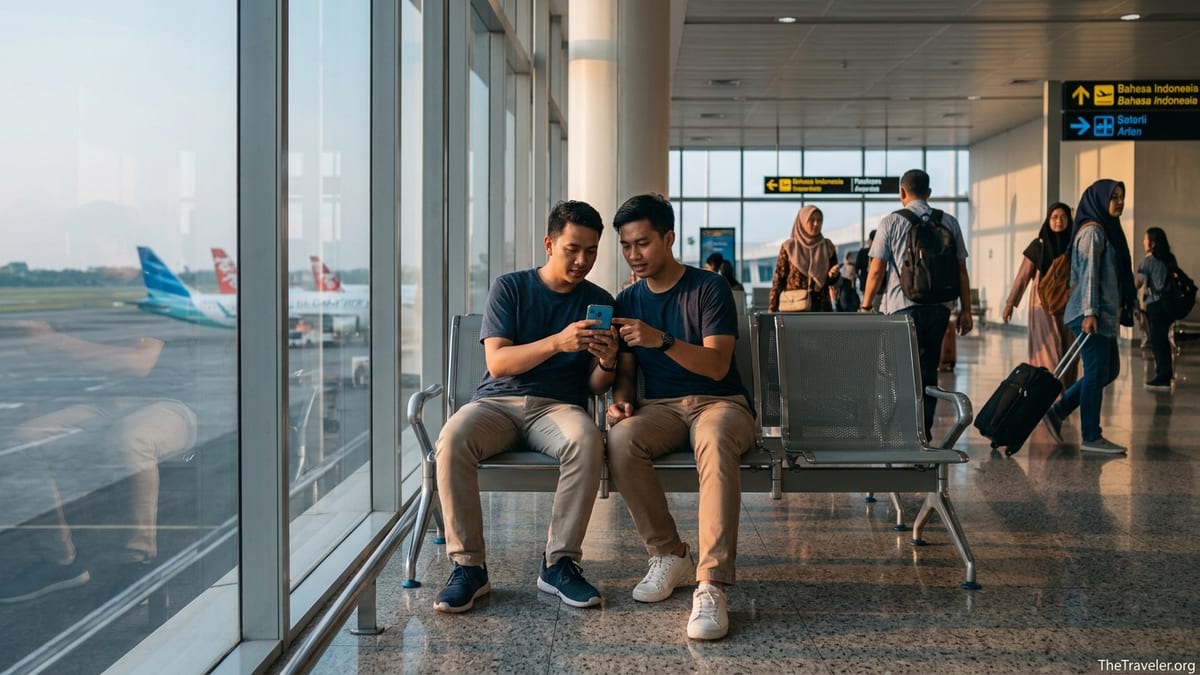
From Bandung Idea to Regional Powerhouse
Traveloka was founded in Jakarta in 2012 by Ferry Unardi and his co-founders, who saw how difficult it was for Indonesians to compare flight options online in real time. At the time, a traveler wanting to fly from Surabaya to Singapore often had to visit multiple airline websites or rely on a traditional travel agent at a mall kiosk. Traveloka’s first product was a metasearch engine that aggregated schedules and fares, showing low-cost carriers such as Lion Air and AirAsia alongside full-service airlines like Garuda Indonesia in a single view. That simple convenience tapped into a rapidly growing, smartphone-first middle class across Indonesia.
As the model proved itself at home, Traveloka expanded into other Southeast Asian markets including Thailand, Vietnam, Malaysia, Singapore, and the Philippines. By the late 2010s it was frequently cited as one of Indonesia’s leading unicorns, with investors such as Expedia and global venture funds backing its growth. In practice, this meant that a Thai traveler in Chiang Mai looking for a budget flight to Krabi saw the same polished interface and local-language support that had worked so well for users in Jakarta and Surabaya.
This combination of local execution and heavyweight funding allowed Traveloka to move quickly. Within a few years it evolved beyond flights into hotels and then into a much broader marketplace of travel and lifestyle services. The app effectively followed its users’ needs from the moment they began dreaming of a trip to the moment they checked out of their hotel or redeemed an attraction ticket.
By the mid 2020s, the company was widely recognized as one of the dominant online travel agencies in key markets such as Indonesia, Thailand, and Vietnam. In many city centers, from Yogyakarta to Ho Chi Minh City, it became common to see hotel front desks and small guesthouses referring walk-in guests to Traveloka prices, because so much of their online business already flowed through the app.
Building a Super App Around the Southeast Asian Traveler
Traveloka’s rise is closely tied to how carefully it shaped its product around the realities of Southeast Asian travel rather than copying Western online travel agencies. The region is made up of archipelagos and peninsulas where travelers hop between secondary cities using low-cost carriers, intercity buses, and trains as often as they use flagship international routes. Traveloka embraced this complexity. In Indonesia, for example, the app lets users compare not only flights between Jakarta and Medan but also train tickets for routes such as Jakarta to Yogyakarta and bus tickets connecting small Javanese towns that rarely appear on global booking sites.
For hotels, Traveloka invested heavily in inventory across all price points, from family-run guesthouses in Sapa and Malang to big-name chains in Singapore’s Marina Bay. Travelers planning a quick weekend in Danang can see sea-view resorts listed next to budget-friendly homestays, all with user reviews in Bahasa Indonesia, Thai, or Vietnamese. This local-language context is critical in a region where many travelers are more comfortable reading reviews from fellow countrymen than English-language comments on global platforms.
The “Xperience” tab, which bundles attractions and activities, is another pillar of the super app approach. A traveler flying to Bali from Jakarta can use Traveloka to buy discounted tickets to Waterbom Bali, pre-book a Mount Batur sunrise trekking tour, reserve a spa package in Seminyak, and even purchase airport transfer in one app. The same pattern plays out in Singapore, where users can book access to popular attractions such as the Singapore Zoo or observation decks alongside their hotel near Orchard Road.
Crucially, the app is designed for mobile-first use. Many Indonesians and Vietnamese first came online via Android phones rather than desktop computers. Traveloka’s booking flow is optimized for small screens, with big call-to-action buttons, clear bottom navigation, and pricing broken out in local currencies like Indonesian rupiah or Vietnamese dong. For a young traveler in Bandung searching for a last-minute bus ticket home for Eid, the entire transaction can be completed with a few taps during a lunch break.
Solving the Payment Problem for an Underbanked Region
One of Traveloka’s most important strategic moves was addressing Southeast Asia’s underbanked reality. In countries such as Indonesia and Vietnam, a large share of consumers either do not have credit cards or are wary of entering card details online. Traditional Western travel sites that relied heavily on card payments struggled to convert these users. Traveloka took a different approach, integrating a wide array of local payment methods. In Indonesia, for example, users can pay via bank transfers, virtual accounts, convenience store partners, and e-wallets alongside cards.
The introduction of Traveloka’s PayLater product in the late 2010s marked a turning point. This buy now, pay later feature allows eligible users to book flights, hotels, and activities in installments, even if they do not have a credit card. A young professional in Jakarta planning a honeymoon to Phuket might use PayLater to spread the cost of flights, resort stay, and airport transfers over several months, making the trip feasible without large upfront savings. In practice, PayLater can be used for almost everything inside the app, from a budget hotel room in Surabaya to a theme park ticket in Kuala Lumpur.
This financing option proved especially powerful for price-sensitive families and younger travelers. For example, a family in Surabaya could use PayLater to secure discounted early-bird tickets for a school holiday trip to Bali, paying in manageable monthly amounts rather than risking last-minute price spikes. Local media in Indonesia have highlighted how the feature helped democratize travel for people who previously regarded air travel or resort stays as rare luxuries.
Beyond financing, Traveloka also localized its payment incentives. It regularly runs bank-specific promotions in partnership with local institutions, such as additional discounts for using a particular Indonesian bank card or cashback for payments through a popular e-wallet used in Thailand. For travelers, this translates into tangible savings. A Bangkok-based user might see a special code that knocks a few hundred baht off a hotel booking near Phuket’s Patong Beach, while a Medan resident might receive targeted offers for domestic flights during Ramadan.
Price Transparency, Local Deals, and Everyday Use
In a region where travelers often compare multiple apps and offline agents before buying, Traveloka focused on price transparency and aggressive promotions. Inside the app, users see not just base fares but also taxes and estimated fees, helping them avoid surprises at checkout. Price alerts allow budget-conscious travelers to track routes like Jakarta to Singapore or Hanoi to Bangkok and receive notifications when fares fall below a preferred threshold.
Traveloka also invested in recurring campaigns such as its “Epic Sale,” which offers steep, time-limited discounts on flights and hotels. During these events, it is common for Indonesian users to stay up until midnight to secure half-price stays at Bali beach resorts or heavily discounted business hotels in Jakarta’s Sudirman district. Hotels and airlines participate because the campaigns drive huge spikes in bookings that can help fill shoulder-season gaps.
Another key to Traveloka’s success has been its push beyond big-ticket trips into everyday or low-ticket experiences. Through Traveloka Xperience, a user in Kuala Lumpur can book a discounted afternoon at a local waterpark, a restaurant voucher in Petaling Jaya, or a quick spa session after work. In Jakarta, couples use the app to reserve cinema tickets or private karaoke rooms, while in Ho Chi Minh City, it is common to book city tours, museum passes, or Mekong Delta day trips. This frequent, smaller-scale usage keeps the app installed and top of mind even between major vacations.
These local deals have a subtle network effect. As more merchants come on board, Traveloka can surface highly specific promotions for neighborhoods or city corridors. A user staying near Canggu in Bali might see different recommended activities and dining vouchers than someone based in Kuta or Ubud. Over time, this granular personalization has helped cement Traveloka as a daily lifestyle tool, not just a place to book flights a few times a year.
Trust, Support, and the Realities of Scale
Any discussion of Traveloka’s growth must also acknowledge the trust challenges that come with serving tens of millions of customers. Online forums and traveler communities across Southeast Asia and abroad occasionally feature complaints about last-minute fare adjustments, booking errors, or slow customer support. Some travelers report situations where low advertised fares disappeared during payment or where airline schedule changes led to frustration over refunds and rebooking.
These issues are not unique to Traveloka; they are part of the broader reality of online travel agencies operating in high-volume, price-sensitive markets. When a Bangkok to Manila low-cost flight sells out across multiple platforms at once, every intermediary must reconcile fare changes and seat availability in near real time. From a traveler’s perspective, however, the distinction between airline and agency responsibility often feels academic when plans are disrupted and costs rise.
In response, Traveloka has invested in multilingual customer support channels, in-app help centers, and clearer explanations of fare conditions. For example, when booking a non-refundable promotional ticket on a low-cost airline, the app typically flags restrictions, baggage rules, and potential fees, encouraging users to double-check before confirming. Many hotels and providers also participate in instant confirmation schemes, reducing the risk of overbooking that previously plagued some smaller properties in Bali or Phuket.
Trust also builds through everyday reliability. For every negative anecdote, there are many ordinary experiences where the app delivers exactly what it promises: a correctly issued e-ticket for a Vietnam Airlines flight from Hanoi to Danang, a confirmed stay at a mid-range hotel in Makati, or a last-minute bus seat from Kuala Lumpur to Penang during a long weekend. Over time, this baseline reliability, combined with strong value for money, has kept a large base of repeat users across Indonesia, Thailand, and Vietnam.
Competition, Partnerships, and Regional Positioning
Traveloka does not operate in a vacuum. It competes with global giants such as Booking Holdings brands and regional rivals like Agoda, Trip.com, and local OTAs in each country. In Singapore and Malaysia, for example, many users compare prices across multiple apps before deciding where to book a weekend in Langkawi or Bintan. In Vietnam, global platforms have increased their marketing spend, while domestic players leverage local loyalty schemes and bank tie-ups.
What has helped Traveloka remain a major force is its deep local integration and partnerships. It has built direct relationships with thousands of hotels, airlines, bus operators, and activity providers. In Indonesia, this includes not only well-known chains in Jakarta and Bali but also independent lodgings in cities like Palembang and Makassar. In Thailand, it collaborates with hoteliers in popular destinations such as Chiang Mai, Krabi, and Pattaya, offering them tools to manage inventory, pricing, and visibility through the Traveloka extranet.
On the corporate side, investment from global players such as Expedia provided both capital and know-how in the early years. Over time, Traveloka has also attracted interest from sovereign wealth funds and regional investors looking to gain exposure to Southeast Asia’s rising travel and consumption story. This backing has enabled the company to weather shocks, including the pandemic, when borders closed and travel demand collapsed for months at a time.
At the same time, competition has pushed Traveloka to innovate. When rivals began emphasizing flexible cancellation policies during the pandemic recovery, Traveloka introduced its own flexible booking options and clearer refund processes on selected fares and hotel rates. When super apps in the region started bundling food delivery or ride-hailing with travel, Traveloka doubled down on its core strengths in travel and experiences while experimenting with adjacent lifestyle services that still tie back to trips and leisure.
The Takeaway
Traveloka’s emergence as a major travel app across Southeast Asia is the result of careful adaptation to local conditions rather than a simple copy of Western booking models. By starting in Indonesia and truly understanding the challenges of booking flights, trains, buses, and hotels across a vast archipelago, the company built a platform flexible enough to handle similar complexity in Thailand, Vietnam, and beyond.
Its super app strategy integrates flights, stays, and experiences into one mobile-first ecosystem, while localized payments and buy now, pay later options make travel accessible to consumers who lack traditional credit cards. Aggressive pricing, frequent promotions, and a strong focus on everyday experiences keep users engaged year-round, not only when they plan rare international vacations.
Challenges remain, including the need to continually improve customer support and maintain trust in a fiercely competitive market. Yet for millions of travelers booking everything from a simple bus ticket in Java to a multi-city Southeast Asia trip, Traveloka has become part of the fabric of how travel is researched, paid for, and experienced. Its story illustrates how deeply localized solutions can grow into regional powerhouses when they solve real problems in practical, traveler-friendly ways.
FAQ
Q1. In which countries is Traveloka most widely used?
Traveloka is strongest in Indonesia, where it was founded, and has substantial user bases in Thailand, Vietnam, Malaysia, Singapore, and the Philippines, with growing usage from travelers in other regions booking trips into Southeast Asia.
Q2. What makes Traveloka different from global travel sites?
Traveloka focuses on Southeast Asia’s specific needs, offering local-language support, domestic bus and train tickets, local payment methods, and regional promotions that many global platforms do not match at the same depth.
Q3. Can I book more than flights and hotels on Traveloka?
Yes. In addition to flights and accommodation, Traveloka offers attraction tickets, tours, spa and wellness packages, restaurant vouchers, airport transfers, car rentals, and other lifestyle services through its Xperience and transport sections.
Q4. How does Traveloka PayLater work for travelers?
Eligible users receive a spending limit within the app and can book products such as flights, hotels, and activities on installment plans, paying the balance over several months instead of all at once, subject to approval and fees.
Q5. Is Traveloka safe and legitimate to use?
Traveloka is a well-established company backed by major international and regional investors and widely used across Southeast Asia. As with any online travel agency, travelers should read fare rules, cancellation policies, and reviews carefully before booking.
Q6. Why do some travelers complain about price changes at checkout?
In very price-sensitive and dynamic markets, fares from airlines or other providers can change quickly. When inventory updates lag, the fare shown during search may differ from the final available price, which can cause frustration if a low promotional fare sells out.
Q7. Does Traveloka support local payment methods if I do not have a credit card?
Yes. Depending on the country, Traveloka supports options such as bank transfers, virtual accounts, convenience store payments, and popular e-wallets, alongside traditional debit and credit cards.
Q8. Can I use Traveloka for last-minute bookings?
In many cases, yes. Travelers frequently use Traveloka for same-day hotel stays, last-minute domestic flights, and intercity bus tickets, especially in markets like Indonesia and Thailand where local operators are integrated into the platform.
Q9. How does Traveloka help budget-conscious travelers?
Traveloka offers price alerts, flash promotions, large campaign events with discounted fares and hotel rates, and location-specific deals on experiences, allowing budget travelers to time their bookings and stretch their funds further.
Q10. Is Traveloka useful if I am visiting Southeast Asia from abroad?
Yes. International visitors often use Traveloka to book regional flights, local hotels, and attraction tickets within Southeast Asia, benefiting from local deals and inventory that may not appear as prominently on some global platforms.