


For generations, women were told that traveling alone was reckless at best and dangerous at worst. Yet from Tokyo’s spotless metro platforms to Lisbon’s waterfront promenades at sunset, millions of women are quietly disproving that narrative every year. While no trip is entirely risk free, the reality in 2026 is that solo female travel is safer, more supported and more achievable than ever before. With the right preparation, tools and mindset, women do not need to be afraid to travel alone. In fact, going solo can be one of the most transformative choices a traveler ever makes.
Get the latest updates straight to your inbox!
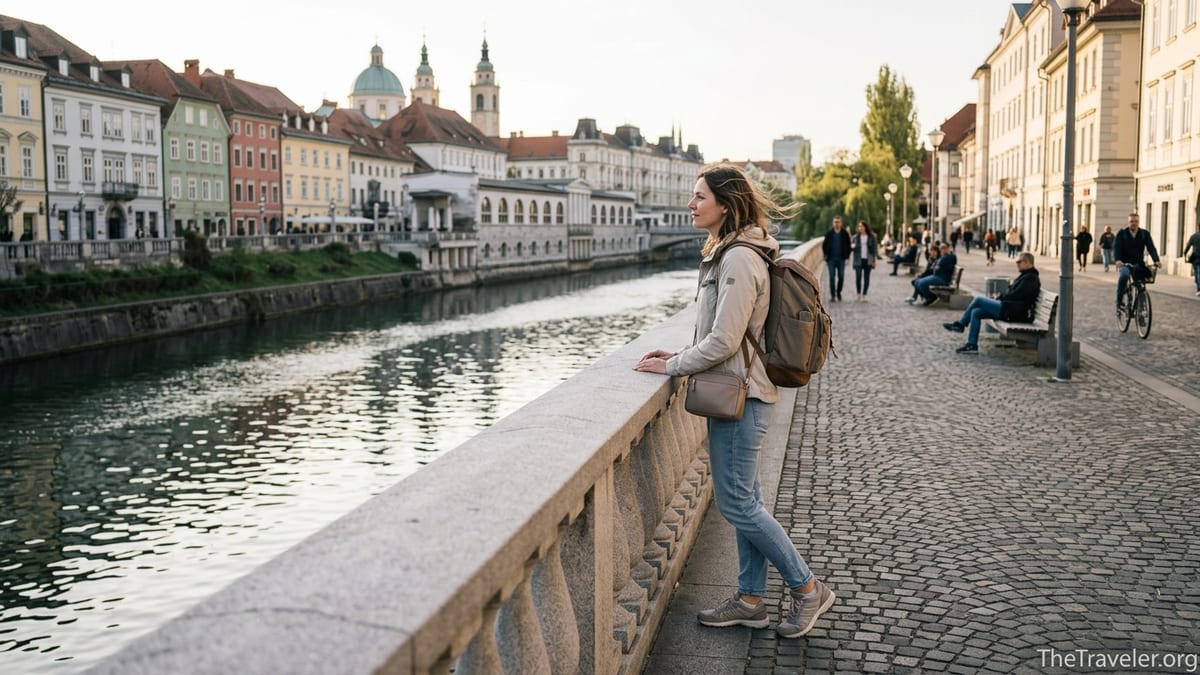
The New Reality of Solo Female Travel
Solo travel is no longer a fringe choice. Industry reports estimate that the global solo travel market was worth hundreds of billions of dollars in 2024 and is projected to grow significantly by 2030, with women making up a majority of solo travelers. Many tour operators and travel advisors now report that more than two-thirds of their solo clients are women, especially those over 40 who finally have time, resources and the desire to prioritize themselves. This shift means that infrastructure, services and attitudes are evolving with women’s needs in mind.
On the ground, that change is visible. Cities such as Kyoto, Reykjavik, Copenhagen and Montreal have become staples on “best destinations for solo women” lists because they combine efficient public transport, walkable neighborhoods and low levels of violent crime with a culture that generally respects personal space. In Tokyo, it is common to see women commuting alone late into the evening, grabbing a solo bowl of ramen at Ichiran or checking into women-only capsule hotels near Shinjuku. In Lisbon, a woman might spend the day riding historic tram 28, sample pastel de nata in Belém and then return by metro to a centrally located guesthouse that advertises 24-hour reception and keycard-only access.
Solo travel is also diversifying in age, background and budget. You will meet university students backpacking through Vietnam, mid-career professionals working remotely from Medellín for a month and retired teachers joining women-only hiking trips in the Italian Dolomites. This diversity matters because it chips away at the stereotype that only a certain “type” of woman can travel alone. The more visible solo women become in hostels, co-working spaces and airport lounges, the easier it is for first-timers to picture themselves doing the same.
Of course, the fact that more women are traveling alone does not magically erase risk. But it does mean there is far more knowledge, data and community experience to draw from. Today, a woman planning her first solo trip can join active online communities, read destination-specific threads from other women and get current advice on everything from safe neighborhoods in Mexico City to what to wear on the metro in Dubai. Information that once took months of trial and error is now available in an evening of research.
Why Fear Should Not Hold You Back
Some level of nerves before a first solo trip is natural. The problem is that women’s concerns are often amplified by sensational headlines and outdated cultural beliefs. Stories of worst-case scenarios circulate widely, while the millions of uneventful, joyful trips women take every year rarely make the news. This imbalance can make the world feel more dangerous than it statistically is, especially in destinations where everyday violent crime against tourists is relatively rare.
Compare that with how we approach everyday risks at home. Many women drive on highways, go hiking, use rideshares, live alone or go on dates with people they met through apps. Each of those activities carries some risk, but familiarity makes them feel manageable. Travel can be framed the same way. Walking down a well-lit street in Singapore’s Clarke Quay at 10 p.m. or taking the metro from Seoul’s Hongdae neighborhood to your guesthouse is not inherently more dangerous than an evening in a major North American city, provided you use similar common sense.
Fear also shrinks women’s worlds in ways that have real consequences. A woman who delays travel year after year because no one can join her may miss opportunities that never come back: seeing Iceland’s glaciers before they retreat further, taking a language immersion course in Oaxaca while she is still studying, visiting aging relatives abroad, or simply enjoying a long sabbatical before changing careers. When fear dictates our choices, we hand over control of our own timelines.
The crucial shift is to treat safety as a skill, not a barrier. Just as you would not refuse to drive because roads can be dangerous, you do not need to refuse travel because some places require care. Instead, you learn the rules of the road. You compare routes, practice defensive driving and insure your car. In travel terms, that might mean choosing beginner-friendly destinations like Ireland or New Zealand for your first solo trip, paying attention to local scams, and carrying a backup credit card. When safety becomes part of your toolkit, fear loses much of its power.
Tools, Tech and Communities That Have Your Back
One reason women should not be afraid to travel alone in 2026 is the sheer number of tools designed specifically with them in mind. Safety apps such as Alertora allow travelers to share their location with trusted contacts, check in on a schedule and access emergency numbers in a single tap. Many smartphones now have built-in SOS functions that can send coordinates or start recording audio if you press a side button several times. These features mean that even if you are walking back to your guesthouse in Ljubljana after a late concert, you can feel connected to your support network at home.
Accommodation platforms and communities have evolved as well. Women-focused networks such as SheGlobes and HerHouse connect female travelers with vetted female hosts or local members who can offer airport pick-ups, neighborhood orientation walks or simple coffee meetups. A woman arriving in Mexico City for the first time might book a room with a host who has in-depth local knowledge of which streets are lively but not rowdy at night, how to hail authorized taxis from Coyoacán and where to find a 24-hour pharmacy. That insider information can feel as valuable as a locked door.
Tour companies have responded to demand by building entire product lines around solo women. Sisterhood Travels, for example, specializes in women-only group trips for travelers over 45, often with roommate matching to cut costs. Women Traveling Together offers escorted, women-only tours from river cruises in Europe to national parks in the American West. On the other end of the age spectrum, small-group operators like G Adventures and Intrepid Travel run “solo friendly” itineraries where many participants show up alone, knowing they will have built-in companions from day one. A teacher from Chicago might join a small group hike along Peru’s Lares Trek, sharing a tent with another solo woman and letting the operator handle logistics from permits to porters.
Beyond formal services, informal communities are a quiet safety net. Women-only travel forums, local Facebook groups and subreddits where women share up-to-date reports from the ground can be invaluable. Before booking a guesthouse in Bali’s Canggu area, for instance, you can read reports from other women on whether the lane feels safe to walk after dark, if the staff are present overnight and whether rooms have secure locks. When hundreds of women pool their experience, individual travelers no longer have to figure everything out alone.
Real-World Destinations Where Solo Women Thrive
Some destinations have become almost synonymous with safe, empowering solo travel for women. Japan is one of the clearest examples. In cities like Tokyo, Osaka and Fukuoka, trains are frequent, signage is clear in English, and violent crime against tourists is relatively rare. Many trains even have women-only carriages during peak hours. A solo traveler might spend a day exploring Asakusa’s Senso-ji temple, browse bookshops in Shimokitazawa and enjoy sushi at a conveyor belt restaurant without attracting undue attention. Guesthouses often provide slippers, secure lockers and late check-in codes, making independent movement easy.
In Europe, countries such as Denmark, Iceland, Portugal and Slovenia are regular fixtures in solo female travel recommendations. A woman traveling in Copenhagen can cycle along designated bike lanes from her hostel in Nørrebro to the waterfront at Nyhavn, park her bike among dozens of others and enjoy a cinnamon bun at a bakery without worrying about her belongings disappearing. In Ljubljana, she might stroll along the Ljubljanica riverfront after dinner, passing locals and visitors out for an evening walk, before catching a late tram back to a budget hotel where staff are used to solo guests.
Closer to home for North American travelers, cities like Montreal, Seattle and Honolulu offer a balance of safety, culture and infrastructure. A solo woman in Montreal could spend the morning at the Jean-Talon Market, tasting local cheeses and berries, then wander through the Plateau’s colorful streets with confidence, thanks to well-lit avenues and busy cafés. In Honolulu, she might take a dawn hike up Diamond Head with dozens of other early risers, then join a small-group surf lesson in Waikiki organized by a school that provides clear safety briefings and secure storage for belongings.
It is also important to highlight destinations that are working to welcome women beyond the usual Western suggestions. Sri Lanka has been frequently cited as an emerging favorite for solo women who want a mix of beaches, cultural sites and train journeys. A traveler might ride the scenic Kandy to Ella route by day, sharing a carriage with families and other tourists, then check into a guesthouse in Ella where the owner can arrange tuk-tuk rides, cooking classes and guided hikes. In Mexico, cities like Oaxaca and Mérida are increasingly popular with solo women drawn to food, art and relatively relaxed atmospheres. While awareness of petty crime is necessary, many women report feeling comfortable moving around the historic centers by day and taking registered taxis or rideshares at night.
Practical Ways to Manage Risk Without Losing Joy
Being unafraid to travel alone does not mean ignoring legitimate safety concerns. It means managing them thoughtfully so they do not overshadow the experience. One effective approach is to break a trip into decisions you can control. Start by choosing accommodation with strong reviews from other women, ideally mentioning safety details such as solid locks, front-desk staff on duty and good lighting on the street outside. In many European cities, a well-reviewed three-star hotel in a central area often costs only slightly more than a budget option on the outskirts but may significantly reduce late-night transport worries.
Transport planning is another key layer. In cities with reliable public transit, such as Seoul, Berlin or Vancouver, download the local transit app and check last train or bus times before going out for the evening. In places where taxis are common, ask your guesthouse which apps or official stands they recommend. For example, in Bogotá many guesthouses suggest using specific rideshare apps or radio taxis rather than hailing cabs on the street. In smaller beach towns like Tulum, some women feel more comfortable renting a bicycle for daytime movement and arranging a pre-booked taxi back after dark.
Simple behavioral habits can make a meaningful difference. Carry only what you need for the day, leaving passports and spare cards in a room safe. If you want to enjoy nightlife in places like Barcelona’s El Born or Chiang Mai’s Nimmanhaemin, consider setting a personal curfew, alternating alcoholic drinks with water and checking your route home before you go out. Many solo women also adopt small rules such as walking with purpose, avoiding earbuds at night so they can stay aware of their surroundings, and sitting near other women or families on public transport.
Above all, trust your instincts. If a bar in Budapest does not feel right, leave. If a taxi driver in Marrakech insists on taking a “shortcut” that makes you uncomfortable, ask to get out in a busy area. It is better to be briefly impolite than to override your own sense of unease. Your goal is not to eliminate every risk, which is impossible, but to give yourself enough buffers that you can focus on the joys of travel: the aroma of fresh cardamom chai in a Delhi café, the sound of live fado music in a Lisbon tavern, the satisfaction of navigating the Seoul subway system all on your own.
The Life-Changing Upside of Going Solo
If fear is one side of the equation, the potential rewards of solo travel are the other, and they are substantial. Traveling alone offers a rare chance to listen to yourself without constant negotiation. A solo backpacker in New Zealand can wake up in Queenstown and decide on the spot whether to join a jet-boat tour, hike the Ben Lomond Track or spend the entire day reading by Lake Wakatipu. No compromises, no debates. For many women whose daily lives involve caring for families, coordinating with colleagues or navigating social expectations, that freedom is nothing short of radical.
Solo trips often accelerate confidence in very practical ways. Consider a woman from Atlanta flying alone to Rome for the first time. On day one she figures out how to buy a Leonardo Express train ticket from Fiumicino Airport, navigates to her guesthouse near Campo de’ Fiori, and communicates with the receptionist in basic Italian. By the time she has ordered coffee at a standing bar, found her way to Trastevere for dinner and successfully declined an over-priced tour offer, she has accumulated a stack of small victories that rewire how she sees herself. Each success abroad makes challenges back home feel more manageable.
Going solo also opens doors to meaningful connections that can be harder to access when traveling with others. It is common for women in hostels in places like Prague or Medellín to wind up sharing meals, market trips or day tours with other solo travelers from around the world. A woman who signs up for a Portuguese cooking class in Porto might end the evening trading WhatsApp numbers with a fellow solo traveler from South Korea and a local chef offering restaurant recommendations. These micro-communities form and dissolve quickly, but many women report sustaining friendships that began in a shared dorm room or on a group snorkeling tour in Thailand.
There is a quieter transformation too: learning to enjoy your own company. Sitting alone with a journal in a café in Buenos Aires, hiking a forest trail in Vancouver or watching the Northern Lights in Tromsø without having to narrate the experience can be profoundly grounding. Solo travel creates space for women to ask what they actually want their lives to look like, without the constant feedback loop of familiar surroundings. For some, that clarity leads to career changes, moves abroad or new creative projects long after the plane lands.
The Takeaway
The world is not risk-free, and travel will never be either. Yet the growth of solo female travel, the expansion of women-focused services and communities, and the lived experiences of millions of women prove that fear does not need to be the deciding factor. With research, planning and a willingness to listen to your instincts, it is entirely possible to move through cities from Singapore to Seville with confidence rather than dread.
Women who choose to travel alone are not being reckless; they are exercising autonomy. They are learning new skills, building global networks and refusing to let other people’s anxieties define the limits of their lives. When a woman books a one-way ticket to Lisbon to work remotely for three months, or takes her first ever trip abroad to join a women-only trekking group in the Himalayas, she sends a quiet message to herself and the world: my curiosity matters, my courage matters and my presence belongs here.
If you are standing at the edge of a decision about your own solo trip, acknowledge the nerves, then look beyond them. Talk to women who have gone before you. Start with a destination that feels manageable. Use the apps, communities and practical strategies that now exist precisely to support you. The goal is not to prove that nothing bad can ever happen, but to reclaim all that you stand to gain when you refuse to let fear be the author of your story.
Ultimately, women should not be afraid to travel alone because the alternative is a smaller, quieter life shaped by other people’s limits. The world is far from perfect, yet it is full of cities that welcome you, strangers who will help you buy the right train ticket, and sunsets that are every bit as beautiful whether you watch them with a group or in your own steady company. The choice to step onto that plane or train by yourself is not just about where you are going. It is about who you are becoming along the way.
FAQ
Q1. Is solo travel for women actually safe, or is it just social media hype?
While no travel is completely risk free, millions of women travel alone every year without serious incident, especially in destinations with good infrastructure and low violent crime. Choosing your destination carefully, staying aware of your surroundings and using tools like safety apps and reputable accommodations significantly reduces risk.
Q2. What are some good first destinations for a woman traveling alone?
Many first-time solo women start with places like Ireland, Portugal, Denmark, Japan, New Zealand or Canada. These destinations generally offer reliable public transport, clear signage, a strong tourism culture and relatively low levels of violent crime, which makes day-to-day logistics easier.
Q3. How can I find safe accommodation as a solo female traveler?
Look for properties with strong recent reviews from other women that mention security features such as 24-hour reception, keycard access, good lighting and helpful staff. Women-only hostels, female-only dorms and women-focused homestay networks can provide an extra sense of comfort, especially on your first solo trip.
Q4. What practical steps can I take each day to stay safer on the road?
Carry only what you need for the day, keep valuables in a room safe, and plan your route before leaving your accommodation. Use registered taxis or reputable rideshare apps, avoid walking through poorly lit or deserted areas at night, and trust your instincts if a situation or person feels off.
Q5. How do I handle unwanted attention or harassment when I am alone?
Prepare a few firm phrases such as “No, thank you” or “I am meeting someone” and be ready to walk away quickly. Move toward populated areas, duck into a shop or café if needed, and do not hesitate to ask staff or nearby women for help. In more persistent situations, making a scene or directly involving authorities can be appropriate.
Q6. Is it lonely to travel alone as a woman?
Solo travel can feel lonely at times, but it also makes it easier to meet people. Staying in social accommodations, joining walking tours, cooking classes or day trips, and using women-focused travel communities helps you connect with others while still enjoying the freedom of being on your own schedule.
Q7. How should I talk to my family if they are worried about my solo trip?
Share your itinerary, accommodation details and contact information, and explain the safety steps you are taking. Agree on regular check-in times using messaging apps or shared location features. Often, seeing that you have a detailed plan and backup options helps loved ones feel more comfortable.
Q8. What about cost: is solo travel more expensive for women?
Traveling alone can be slightly more expensive because you are not splitting accommodation or taxis, and some tours charge a single supplement. You can offset this by choosing hostels or guesthouses with private rooms, looking for group tours that waive single supplements, traveling in the shoulder season and using public transport where it is safe and practical.
Q9. Do I need to avoid entire regions of the world as a solo female traveler?
Rather than writing off whole regions, focus on specific countries, cities and neighborhoods, and consult up-to-date travel advisories. Some places may be best visited with a group tour or after gaining more experience, but there are often pockets within broader regions that are well set up for independent women.
Q10. How can I build confidence before taking a big international trip alone?
Start small. Take a solo weekend in a nearby city, book a short domestic flight alone or join a women-only group trip for your first time abroad. Each experience will help you practice navigation, communication and problem-solving so that a longer international trip feels like a natural next step rather than a leap into the unknown.