


Solo travel is having a moment, but fear is still the number one reason many people never book that first ticket. A recent survey in the United States found that while the majority of adults like the idea of traveling alone, roughly a quarter say they have not tried it because they find it intimidating. The biggest worries center on safety, cost, and the fear of feeling lonely far from home. Those concerns are real, but they are also manageable with the right information and habits. This guide looks at the most common solo travel fears and offers concrete, real-world strategies to help you move from anxious daydreamer to confident traveler.
Get the latest updates straight to your inbox!
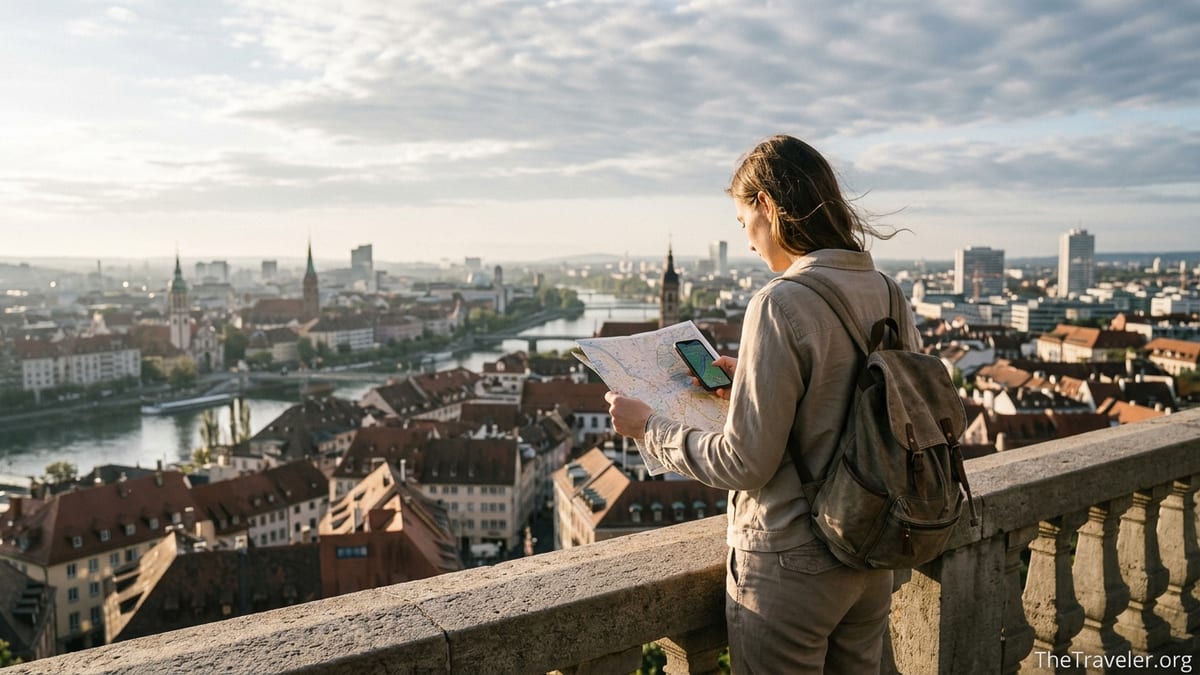
Understanding Why Solo Travel Feels Scary
Fear around solo travel rarely comes from one source. For many first-timers, it is a mix of practical worries and vague what-ifs: getting lost in a city like Tokyo where you cannot read the signs, missing a night train in Italy, or having your phone die in a strange neighborhood. Family and friends may unintentionally amplify those fears by focusing only on crime headlines or worst-case stories they have seen on television, not on the millions of uneventful trips that never make the news.
It also feels harder because solo travel removes some of the safety nets people rely on at home. If your luggage is lost at Denver International Airport and you are with a partner, there is someone else to hold the bags, watch the time, or negotiate with airline staff. Alone, every decision and responsibility is yours. That can feel overwhelming before you go, even though most travelers later say it turned into a source of pride.
Finally, there is the fear of social judgment. A solo diner in a Paris bistro may worry that everyone is wondering why they are alone. A person checking into a beach resort in Mexico by themselves might feel that they are breaking an unwritten rule that vacations are for couples or families. In reality, hotel staff are used to solo guests, and many restaurants in major cities from New York to Lisbon deliberately create counter seating or bar areas with single travelers in mind.
Safety Concerns: Crime, Scams and Personal Security
Safety is usually the first question new solo travelers ask, especially women and LGBTQ+ travelers. News stories about pickpocketing in Barcelona or scams near landmarks such as the Sacré Coeur in Paris are easy to remember. Reports from travel insurers and police show that petty theft and fraud are the most common problems tourists experience, far more so than violent crime. In practice, the risks solo travelers face in many popular destinations are similar to those in large cities back home, but with the added challenge of being unfamiliar with local norms and language.
You can lower that risk significantly with a few concrete habits. In European capitals like Rome or Prague, keep valuables in a money belt or a cross-body bag that zips shut and stays in front of you. Use an inexpensive “decoy wallet” with a small amount of cash for situations where you do not want to reveal your real cards. Many solo travelers now carry a simple anti-theft daypack with lockable zippers for metro rides; basic models can cost as little as 30 to 60 dollars from mainstream brands and are widely available online or in big-box stores.
Scams are another major source of fear, and they vary by destination. In parts of Europe, solo travelers often report “friendship bracelet” scams where someone ties a bracelet around your wrist and then demands payment, or fake petitions where a clipboard is thrust into your hands while an accomplice targets your pockets. In Southeast Asia, visitors might encounter inflated tuk-tuk prices in Bangkok or “too good to be true” tailor deals in Phuket. Before you go, read a recent article about common scams in your destination or browse a current thread in a travel forum, then write down three or four specific cons to watch for. Awareness alone makes you a much harder target.
Emergency planning also helps you travel with more calm. Save local emergency numbers in your phone before you arrive. In most of Europe, 112 is the universal emergency line; in the United States it is 911; in Japan, 110 is for police and 119 for fire or ambulance. Note the address of your country’s nearest embassy or consulate, and learn the name of any tourist-assistance police units in your destination. Many cities, such as Lisbon and Athens, have dedicated tourist police who are used to helping visitors handle theft reports or disputes with taxi drivers.
Fear of Loneliness and Awkward Social Moments
Even people who are comfortable spending time alone at home often worry about feeling lonely on the road. They imagine long, silent dinners or whole days without talking to another person. In reality, some solo travelers do experience waves of loneliness, especially in the first few days or during holidays. The key is not to deny that possibility but to have a plan for when those feelings show up.
Choosing more social accommodation is one of the most effective strategies. In cities such as Lisbon, Mexico City or Bangkok, hostels and small guesthouses often organize walking tours, shared dinners, or day trips. You do not have to stay in a party hostel to meet people. Many “boutique hostels” now offer female-only dorms, quiet hours, and private rooms. In Lisbon, for example, a bed in a clean, centrally located dorm often costs the equivalent of 25 to 45 dollars per night, while a basic private room in the same property might run closer to 80 to 120 dollars. That price difference can be worth it for solo travelers who want both social opportunities and privacy.
Activities that naturally create conversation are another reliable antidote to loneliness. Booking a small-group food tour in Rome, a language class in Oaxaca, or a sunrise hike with a local guide in Bled puts you in structured environments where chatting with strangers feels normal. Many travelers book at least one group activity in each new city, scheduled for the second or third day, as a way to create a gentle social anchor once they have had time to settle in.
Digital tools can also soften the edges of being alone. Video calls with friends at home, voice notes exchanged while you walk through a market in Marrakech, or sharing photos with a trusted group chat remind you that you are not actually isolated. At the same time, it helps to limit how much you scroll social media during lonely moments. Constantly comparing your trip to someone else’s curated feed often deepens anxiety rather than easing it.
Money Worries: Budgets, Emergencies and Getting Ripped Off
Financial fear stops many would-be solo travelers before they begin. Without a companion to split hotel rooms, taxis or private tours, costs can rise quickly. There is also the worry of being scammed, overcharged or facing a surprise medical bill far from home. These are legitimate concerns, but they can be managed with realistic budgeting and some basic financial safeguards.
Start by building a clear, destination-specific budget instead of guessing. If you are planning a week in Lisbon in 2026, for example, you might estimate 25 to 45 dollars per night for a hostel dorm, 120 to 220 dollars for a mid-range hotel, around 3 dollars for a metro ride, and 12 to 20 dollars for a casual restaurant meal. Coffee at the counter in a local café might cost just over a dollar, while a glass of wine in a neighborhood bar might run 4 to 6 dollars. Checking prices on a booking platform or reading recent trip reports from travelers who visited within the last year will give you a more accurate picture than relying on outdated guidebooks.
Separate your money into layers so a single problem does not derail your trip. Many solo travelers carry one debit card and one credit card in a hidden money belt or interior pocket, plus a smaller wallet with a limited amount of cash and a separate backup card locked in their luggage. If an ATM in Prague eats your main card or a thief in Barcelona grabs your daypack, you will still have funds available. Before you leave, set transaction alerts with your bank so that suspicious charges trigger an immediate notification, and store your card issuer’s international phone numbers in both your phone and a physical notebook.
Travel insurance is another tool that can significantly reduce financial anxiety. Comprehensive policies aimed at U.S. travelers on a two-week trip to Europe often cost between 60 and 150 dollars, depending on age and coverage, and may reimburse you for medical emergencies, lost baggage, or trip interruption. When comparing policies, pay close attention to emergency medical limits and whether pre-existing conditions are covered. While many trips pass without incident, knowing that you will not face an enormous hospital bill in Tokyo or Paris can make it easier to focus on enjoying your surroundings.
Finally, learn the going rates for common services in your destination to avoid being overcharged in the first place. Before you land in Bangkok, for example, check what a typical airport train or official taxi should cost into the city center. In cities with ride-hailing apps, compare the app estimate to what a driver on the curb is quoting. In beach destinations such as Phuket or Antalya, where reports of accommodation and excursion scams are more common, it can be wise to book your first few nights through a major platform with a large number of recent reviews instead of wiring money directly to an unknown property.
Decision Fatigue, Logistics and the Fear of Getting Lost
Planning an entire trip alone can feel like a second job. You might worry about picking the wrong neighborhood in Berlin, misreading a train schedule in Japan, or failing to leave enough time to change planes at a busy hub such as Heathrow. On the road, every decision from where to eat dinner to whether a side street feels safe is yours alone. That decision load can cause stress well before departure.
One way to lighten that burden is to limit your first solo itinerary instead of trying to “see everything.” Choosing three or four nights each in two cities rather than racing through five countries in ten days leaves more room for improvisation and fewer chances for logistical mistakes. Many first-time solo travelers find it easier to begin in destinations with strong tourism infrastructure and English-friendly signage, such as Ireland, Portugal or New Zealand, before tackling more complex routes.
Technology has made navigating unfamiliar places far easier than it was even a decade ago. Offline map apps allow you to download whole cities or regions before you leave your hotel Wi-Fi. In Tokyo, you can plot a metro route from Shinjuku to Asakusa and follow the blue dot, even if you cannot decipher a single kanji character. Translation apps can scan a restaurant menu in Madrid or a street sign in Hanoi and give you a near-instant rough translation. While digital tools are not perfect, they turn the fear of “I will get hopelessly lost” into “I might walk an extra block or two.”
Paper backups still have value, especially where phone batteries or data connections are unreliable. Print or write down your hotel addresses with directions in the local language. In many places, including parts of rural Japan or Morocco, showing a taxi driver a written address in the local script is more effective than trying to pronounce it yourself. Keeping a small notebook with key details such as train times, booking codes and emergency contacts means you are not entirely dependent on a single device.
When things do go wrong, having a simple script for asking for help can calm you down. Learn two or three basic phrases in the local language such as “Please, I am lost,” “Can you write this down?” or “Where is the nearest metro?” You do not need to sound fluent. In most major tourist areas, such as central Prague or downtown Vancouver, someone nearby will either speak English or help you find someone who does.
Social and Cultural Fears: Standing Out, Offending Locals and Identity Concerns
Many solo travelers worry about sticking out, especially in places where they do not look like the majority of the population. Travelers of color, visibly religious travelers, and LGBTQ+ travelers often carry additional questions about how they will be treated. Women may be concerned about unwanted attention. These fears are complex and can be influenced by past experiences at home as much as by real conditions abroad.
Researching local norms and laws before you go is crucial. Government travel advisories and reputable news outlets often highlight destinations where legal restrictions or social hostility toward certain identities are more pronounced. For instance, a gay traveler planning a solo trip through Western Europe may feel relatively at ease in cities such as Amsterdam or Berlin, where pride events and visible queer communities are part of public life. The same traveler might choose to modify their behavior or avoid public displays of affection in more conservative regions, even within Europe, to stay within local norms and legal frameworks.
Simple adjustments in dress and behavior can reduce unwanted attention without requiring you to erase your personality. In many religious sites from Istanbul’s Blue Mosque to temples in Chiang Mai, covering shoulders and knees is expected of all visitors, regardless of gender. Carrying a light scarf or overshirt in your daypack makes compliance easy. In cities where catcalling or street harassment is more common, solo women often report that walking with purpose, avoiding prolonged eye contact with strangers, and responding to unwanted comments with a neutral, firm “no” in the local language can shorten interactions.
Cultural misunderstandings are inevitable, but they rarely turn into serious problems. If you accidentally sit in the wrong place on a local bus in Mexico City or mispronounce a dish in a Tokyo izakaya, a quick apology and a smile will usually defuse the situation. Locals are often more forgiving of respectful mistakes than travelers imagine. Joining a locally led walking tour on your first day can provide a low-stakes environment to ask a guide questions about tipping, greetings, or dress codes that feel too specific or awkward to ask in a general forum.
Emotional Resilience: Dealing With Anxiety, Homesickness and What-Ifs
Beneath practical fears about money or safety, many solo travelers carry a quieter worry: What if I cannot handle it emotionally? What if I panic on the plane, cry in the hostel bathroom, or feel so homesick I want to turn around? Those possibilities are not signs that you are unsuited to solo travel. They are signs that you are human and about to do something outside your comfort zone.
One helpful approach is to treat solo travel as a series of small experiments rather than a single high-stakes test. Instead of flying straight from the United States to a month-long backpacking trip across Southeast Asia, you might start with a three-day solo weekend in a nearby city such as Chicago or Montreal. Use that trip to practice eating alone in a restaurant, navigating public transport, and handling a minor issue like a delayed train. Each experience becomes evidence that you can manage more than you thought.
Building emotional routines into your travel day can create stability. Some travelers start each morning, whether they are in Lisbon or Seoul, by writing three lines in a journal about what they are grateful for and one concrete goal for the day. Others end the evening with a ten-minute video call home, a book rather than social media, or a short meditation before bed. These habits make unfamiliar hotel rooms and hostel bunks feel more like temporary extensions of your normal life rather than complete departures from it.
It is also wise to set realistic expectations. Not every moment of solo travel will be joyful or transformative. There will be tired mornings after overnight buses, confusing ticket machines in foreign languages, or museums that do not live up to the Instagram photos. Expecting a mix of highs and lows makes it easier to weather the inevitable rough patches without deciding that you have “failed” at traveling alone.
The Takeaway
Solo travel fears are not a sign that you should stay home forever. They are a natural response to stepping into the unknown. The same survey data that shows people feel intimidated by solo travel also finds that those who go often report increased independence and confidence afterward. The key difference between the would-be traveler and the one posting photos from a café in Lisbon or a trail in New Zealand is not the absence of fear, but what they do with it.
You do not have to fix everything at once. Start by naming your top two or three concerns, whether that is safety at night, managing your budget, or eating alone. Then choose one small, practical step to address each fear, such as booking a well-reviewed hostel with female-only dorms, setting up a daily spending tracker on your phone, or planning your first solo meal at a casual spot with counter seating. Each concrete action shrinks the unknown a little.
Over time, you may discover that the very things you worried about become the parts of solo travel you value most. The night you navigated the Tokyo metro alone from Shinjuku to your guesthouse, the afternoon you joined a cooking class in Oaxaca and made new friends, or the quiet morning you watched the sun rise over a city you explored entirely on your own can become anchor memories that carry over into life at home. Fear does not disappear, but it no longer decides where you can go.
FAQ
Q1. Is solo travel actually safe, or is it only for very experienced travelers?
Solo travel can be reasonably safe for first-timers if you choose destinations with strong tourism infrastructure, research common scams, and follow basic precautions such as avoiding very intoxicated nights out, securing valuables, and trusting your instincts when a situation feels off.
Q2. How do I choose a good first destination for solo travel?
Look for places with reliable public transport, plenty of accommodation options, and a reputation for being welcoming to visitors, such as Ireland, Portugal, Canada, or New Zealand, and start with a shorter trip so you can test how you feel traveling alone.
Q3. I am afraid of feeling lonely. What can I do to meet people?
Stay in social accommodation like hostels or small guesthouses, book small-group tours or classes, spend time in communal spaces such as hostel kitchens or hotel bars, and be willing to start simple conversations with other travelers about where they are from or what they have seen so far.
Q4. How much extra does solo travel cost compared with traveling with a friend?
Solo travelers usually pay more for accommodation because they cannot split a private room, but they can save by choosing hostels, smaller guesthouses, or studio apartments and by sharing day tours or rides with people they meet, so overall costs can still be manageable with planning.
Q5. What if my family thinks solo travel is too dangerous?
Share your plans in detail, including flight numbers, hotel addresses, and daily check-in times, explain the safety steps you are taking, such as travel insurance and emergency contacts, and consider starting with a destination that feels reassuring to them so they can see how you manage on your own.
Q6. How can I protect myself from common scams as a solo traveler?
Before you go, read about scams specific to your destination, such as fake petitions in European plazas or overpriced tuk-tuk rides in Bangkok, keep your valuables secured, be skeptical of unsolicited “free” gifts or overly friendly strangers trying to steer you somewhere, and walk away politely if something feels wrong.
Q7. Is it weird to eat alone in restaurants while traveling?
In most major cities restaurant staff are used to solo diners, and you will often see business travelers, students and locals eating alone, so choosing spots with bar seating, bringing a book or journal, or focusing on people-watching can make solo meals feel enjoyable rather than awkward.
Q8. What should I do if I get really anxious or homesick on the trip?
Give yourself permission to feel that way, reach out to a trusted friend or family member by call or message, simplify your plans for a day with low-pressure activities like a park walk or café visit, and remind yourself that if things truly feel overwhelming you can always change your itinerary or head home early.
Q9. How do I handle health issues or emergencies when I am alone abroad?
Buy travel insurance with clear medical coverage, carry a small card listing any allergies or conditions, learn the local emergency number before you arrive, and keep the address of your accommodation and your embassy or consulate written down so you can quickly explain where you are and get help if needed.
Q10. I want to try solo travel but I am not ready for a long international trip. What are some smaller steps?
Start with a solo day trip to a nearby town, an overnight stay in a different city in your own country, or a long weekend within easy travel distance, and use those trips to practice booking accommodation, navigating a new place, and spending time alone so that an eventual international trip feels like a natural next step rather than a huge leap.