


More news on this day
Wildfire smoke spreading across Washington, Oregon and Idaho is casting a pall over peak summer travel, with hazy skies, shifting air quality and intermittent alerts complicating plans for visitors drawn to the Pacific Northwest’s outdoor landscapes.
Get the latest news straight to your inbox!
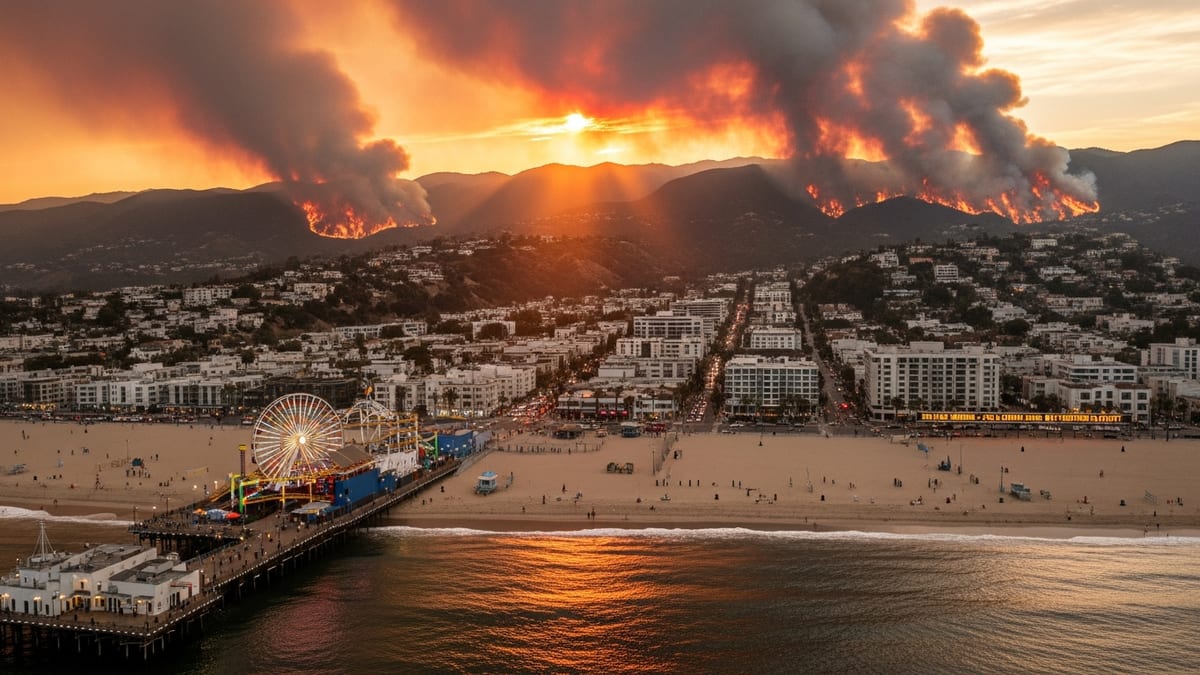
Smoke Returns To Key Destinations At Peak Visitor Season
In early August 2026, a new round of wildfire smoke has moved into parts of the Pacific Northwest just as tourism hits its annual high point. Regional reporting indicates that smoke from fires in Washington, Oregon and neighboring British Columbia has periodically reduced visibility and degraded air quality in metropolitan areas such as Seattle and Portland as well as popular gateway towns near national parks and mountain passes.
Seattle, which had largely enjoyed clearer conditions earlier this summer, has seen hazier skies and forecasts of periodically unhealthy air for sensitive groups as smoke drifts west from interior fires. Local coverage in Washington notes that smoke has also pushed into communities near the North Cascades and along the eastern slopes of the Cascades, where hiking and camping traffic typically spikes in August.
In Oregon, media reports and community discussions describe some of the state’s most visited destinations, including central Oregon around Bend and stretches of the Cascade Range, experiencing extended periods of poor air quality tied to an active fire season. Travelers are sharing images of orange-tinged sunsets and obscured mountain views, while also weighing whether to continue or postpone trips booked months in advance.
Idaho’s outdoor regions, including areas of the Panhandle and central mountains, are also affected when winds carry smoke eastward from large fires in neighboring states. Publicly available information shows that regional smoke forecasts now form a regular part of travel planning across the inland Northwest, influencing decisions about scenic drives, lake vacations and backcountry itineraries.
Travelers Weigh Cancellations, Route Changes And Indoor Alternatives
The evolving smoke pattern is prompting difficult choices for visitors who scheduled peak-season trips to the Pacific Northwest. Travel forums and regional message boards feature growing numbers of questions from domestic and international travelers asking whether to cancel itineraries for mid and late August, particularly for outdoor-focused vacations built around hiking, camping and national park visits.
In Washington, online discussions highlight uncertainty among visitors bound for destinations such as Leavenworth, the Methow Valley and the North Cascades. Some recent travelers report managing with mild haze and shifting plans toward lower-elevation walks, lakeside visits or scenic drives on clearer days, while others describe ashfall and air quality alerts that pushed them to cut hikes short or spend more time indoors.
Oregon-bound travelers are weighing similar tradeoffs. Trip-planning threads reference the need to monitor smoke maps, air quality indexes and state transportation updates on a daily basis. Some visitors are pivoting from heavily affected interior valleys toward the coast, where marine air can bring relatively better conditions, while others are postponing trips or shortening stays in smoke-impacted areas.
In Idaho and eastern parts of Washington and Oregon, where late-summer dryness and fire risk often remain elevated, travelers are being advised by publicly available guidance to maintain flexible plans. That can include booking refundable accommodation, avoiding long backcountry commitments and having indoor attractions, such as museums and urban dining districts, as backup options when smoke intensifies.
Tourism Industry Adapts To A New Wildfire Smoke Reality
The tourism sector across Washington, Oregon and Idaho is adjusting operations to account for regular smoke intrusions during what was once considered the most reliable stretch of the summer season. Recent impact assessments for the broader Pacific Northwest describe how wildfire smoke has already shortened recreation seasons, shifted visitation patterns and led to periodic closures of campgrounds, trails and scenic areas in recent years.
Hospitality businesses, from hotels and short-term rentals to outfitters and tour operators, increasingly reference smoke conditions in their communication with guests. Public descriptions from park operators and gateway communities note that itinerary changes are now common, with visitors redirecting from closed trail systems or heavily impacted valleys to lower-risk destinations that offer cleaner air and indoor activities.
Transportation and park access can also be affected. When fire activity forces highway closures or controlled access near active incidents, visitors may face longer detours and reduced entry to popular sites. State and federal land managers publish regular situation reports on fires and smoke, and tourism offices relay those updates to help travelers avoid last-minute surprises.
For regional destinations that depend on summer visitation, smoke presents a dual challenge: reduced visitor numbers on the worst days and shorter stays or lower on-site spending when people avoid outdoor dining, scenic boat tours or guided hikes. Industry voices in public forums emphasize that clear-weather windows can still offer excellent conditions, but that businesses now plan for more variability within each summer.
Health And Safety Guidance Shapes Visitor Behavior
Public health agencies in Washington, Oregon and Idaho have expanded smoke preparedness materials in recent seasons, and this guidance is now informing how travelers approach trips during active fire periods. Air quality tools that translate fine particulate levels into color-coded categories are widely promoted, and visitors are encouraged through public information campaigns to check daily readings before deciding on strenuous outdoor activity.
Recent documents from state health and environmental departments outline recommended precautions when wildfire smoke pushes air quality into unhealthy ranges. These recommendations include staying indoors with windows closed when possible, using air conditioning in recirculation mode, seeking out public indoor spaces with cleaner air, limiting vigorous outdoor exercise and using well-fitted masks specifically designed to reduce particulate exposure for individuals who must be outside.
National guidance developed with input from environmental and public health agencies stresses that children, older adults, pregnant individuals and people with heart or lung conditions face higher risks from smoke exposure. As a result, many traveling families are adjusting plans to favor shorter outdoor outings during clearer morning or evening periods, with more indoor time during the smokiest hours of the day.
For visitors on multi-day trips, portable air purifiers and basic protective gear have become more common packing list items. Publicly available resources describe how travelers can create cleaner-air rooms in lodgings using simple filtration devices and can track smoke forecasts through federal and state platforms that aggregate fire activity, satellite data and ground-based sensor readings.
Strategies For Planning Trips Amid Uncertain Smoke Outlooks
With climate and fire research pointing to a long-term increase in smoke exposure across parts of the western United States, travel planning in Washington, Oregon and Idaho increasingly requires a risk-management approach. Studies examining past fire seasons show that northern California, western Oregon, Washington and portions of Idaho have experienced some of the most pronounced growth in smoke-affected days in recent decades, reinforcing expectations that hazy skies may recur during late summer.
Travel experts and seasoned visitors now recommend emphasizing flexibility over fixed itineraries. That can involve focusing on regions that offer both indoor and outdoor attractions, booking accommodations with lenient change policies and avoiding nonrefundable reservations for high-elevation or fire-prone locations during the height of the season. Travelers are also encouraged to build in geographic flexibility, such as combining coastal and inland stops so that plans can shift toward whichever area has better air at a given time.
Monitoring tools are central to these strategies. Widely used smoke and air quality maps, along with state wildfire dashboards and official park updates, allow travelers to track conditions in near real time. Checking forecasts a few days before departure and again each morning on the trip helps visitors decide whether to tackle a long hike, opt for a shorter outing or spend the day in town.
Despite the current smoke episodes, many periods within the Pacific Northwest summer remain clear, offering the long views and mild weather that draw visitors from around the world. For now, travel across Washington, Oregon and Idaho continues, but with more travelers carrying air quality apps alongside trail maps and treating wildfire smoke as a variable to be managed rather than a rare exception.