


More news on this day
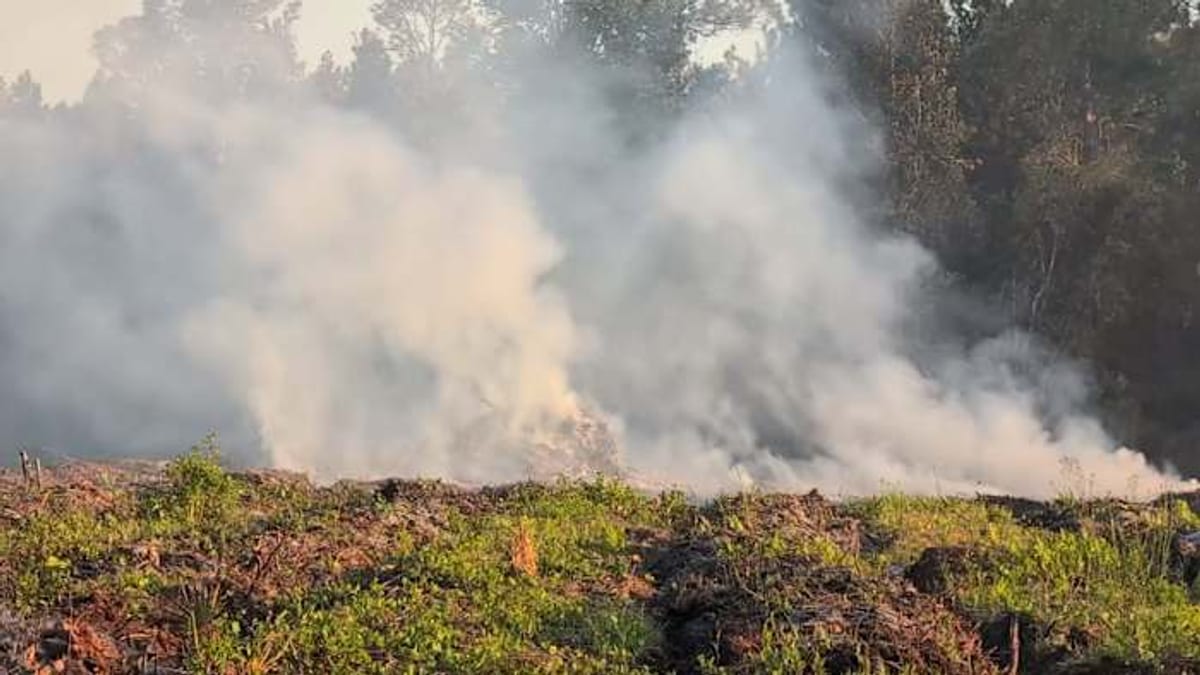
A fast-growing wildfire along the Clay and Putnam County line in northeast Florida has forced a shutdown of key Amtrak routes, stranding passengers overnight on halted trains and effectively severing rail travel in and out of the state on Monday.
Get the latest news straight to your inbox!
Overnight ordeal for northbound Amtrak passengers
Travelers aboard Amtrak’s Silver Meteor heading north from Miami spent the night on motionless trains after fire activity near the tracks made further movement unsafe. Local television coverage from Jacksonville and Orlando indicates that multiple northbound and southbound trains were stopped for hours at various points in central and northeast Florida as crews worked to contain the blaze.
One Silver Meteor train, identified in broadcast and social media reports as Train 98, was halted north of DeLand late Sunday and remained in place into Monday as conditions around the wildfire shifted. Passengers described being held on board while rail operators waited for clearance to proceed, with the train positioned at a safe distance from smoke and flames.
Separate coverage from North Carolina outlets describes another long-distance train that had departed Orlando for New York before coming to a standstill near Palatka, also in connection with the fire zone. That train remained in place for more than 18 hours, leaving riders confined to their cars overnight while they awaited word on when the route might reopen.
Publicly available accounts from passengers and local media suggest that although the trains were stopped for extended periods, they were not in immediate physical danger. The primary concern centered on blocked access for firefighting vehicles and reduced visibility in an area already experiencing exceptional drought conditions.
Major routes curtailed as wildfire grows
According to published coverage, the wildfire ignited along the eastern border of Putnam and Clay counties, south of Jacksonville, and expanded to roughly 2,700 acres by Monday. The Florida Forest Service characterized the event as a fast-moving brush fire fueled by dry vegetation and gusty winds, with the potential for multiple fire fronts to merge.
In response, Amtrak announced broad service changes affecting several of its most significant routes serving Florida. Publicly posted advisories state that Auto Train service between Sanford, near Orlando, and Lorton, Virginia, was canceled for Monday, eliminating a key option for travelers moving with their personal vehicles between the Southeast and the Mid Atlantic.
Service on the Silver Meteor, which normally operates between Miami and New York City, was truncated so that trains originated and terminated in Jacksonville instead of South Florida. In addition, at least one of the route’s Tuesday departures was canceled, significantly reducing capacity for passengers trying to leave or enter the state by rail.
Coverage from national and regional outlets also notes that the Floridian, the long distance service running between Miami and Chicago via Washington, shifted its endpoints hundreds of miles north. Trains on that line started and ended in Savannah, Georgia, with one of its departures for Tuesday canceled, further underscoring the reach of the disruption beyond Florida’s borders.
Limited bus bridges and cascading travel impacts
With tracks closed across a critical stretch of northeast Florida, Amtrak arranged partial bus-bridge alternatives for some travelers. Public updates from the railroad indicate that buses were deployed between Jacksonville and Miami to connect passengers from canceled or truncated Silver Meteor and Floridian trains to remaining services.
However, the scale and sudden onset of the wildfire meant that not all passengers could be easily rebooked. Coverage from local stations in Jacksonville, Orlando, and Raleigh highlights individual accounts of missed vacations, disrupted work trips, and abandoned connections to flights and cruises. Some riders reported spending the night on stationary trains before eventually being returned to their original departure cities or transferred to buses.
The suspension of the Auto Train service between Sanford and Lorton added another layer of complexity. That route normally carries both passengers and their vehicles, and published reports indicate that travelers arriving at terminals were offered rebooking or refunds rather than same day alternatives. For some, particularly those moving long distances with cars, the wildfire related shutdown turned a single overnight rail journey into an open ended search for other options.
Travel industry observers note that spring typically brings strong demand on north south Amtrak routes serving Florida. The abrupt capacity loss on multiple routes at once, combined with already busy airline schedules and long drive distances, is likely to ripple through regional travel plans for several days.
Drought conditions heighten wildfire and rail vulnerability
The disruption is unfolding against a backdrop of extreme dryness in parts of north Florida. Regional assessments shared by rail enthusiasts and emergency management channels indicate that north Florida has recently been experiencing exceptional drought conditions, with vegetation primed to burn and firefighting resources stretched thin.
According to publicly available information from local agencies, the fires near the Clay Putnam County line prompted voluntary evacuations and warnings about highway visibility, in addition to halting rail traffic. Local emergency managers highlighted concerns that smoke and shifting winds could quickly complicate both ground and rail transportation corridors, which run parallel to some of the affected areas.
In some reports, local leaders in Clay County have suggested that sparks from a passing train may have ignited at least one of the brush fires, though investigators have not yet released a final cause. Rail and wildfire experts note that during prolonged dry spells, trackside vegetation and accumulated debris can create conditions in which any ignition source may quickly lead to a larger blaze.
The current episode underscores how vulnerable long distance passenger rail lines can be to wildfires, particularly in regions where Amtrak operates over tracks owned and dispatched by freight railroads. When local agencies or host railroads close a corridor so crews can fight a fire, passenger trains often have no alternate route and must wait on a siding until conditions improve.
What travelers can expect in the days ahead
Amtrak has encouraged affected passengers, through its public alerts and advisories, to monitor their train status closely and be prepared for changing plans. With the wildfire still active as of Monday afternoon, further cancellations, truncated routes, or bus substitutions remain possible, particularly on north south services that rely on the Jacksonville corridor.
Travel planners note that passengers heading into or out of Florida over the next several days may want to build in extra flexibility, regardless of mode. Airlines and intercity bus operators sometimes add capacity when a major rail disruption occurs, but that process can take time and may not fully absorb demand, especially for travelers starting from smaller cities.
The wildfire also arrives at a moment when reliability on long distance routes has been under scrutiny from riders and policymakers. Prior incidents involving weather, infrastructure problems, and freight traffic have already led to extended delays on some Florida bound trains. The current shutdown is likely to refocus attention on how passenger rail systems prepare for and respond to fast changing natural hazards such as wildfires.
For now, publicly available information shows that Amtrak is working to gradually restore service as fire lines are secured and track inspections are completed. Passengers whose trips were upended by the overnight standstills and route cancellations are being offered rebooking or refunds, but for many, the wildfire has turned what was expected to be a routine rail journey into an unexpectedly long and uncertain wait.