


More news on this day
Major cruise operators are doubling down on scenic, culturally rich itineraries for the 2026 season, spotlighting routes that pair dramatic natural backdrops with longer stays in historic ports and remote communities.
Get the latest news straight to your inbox!
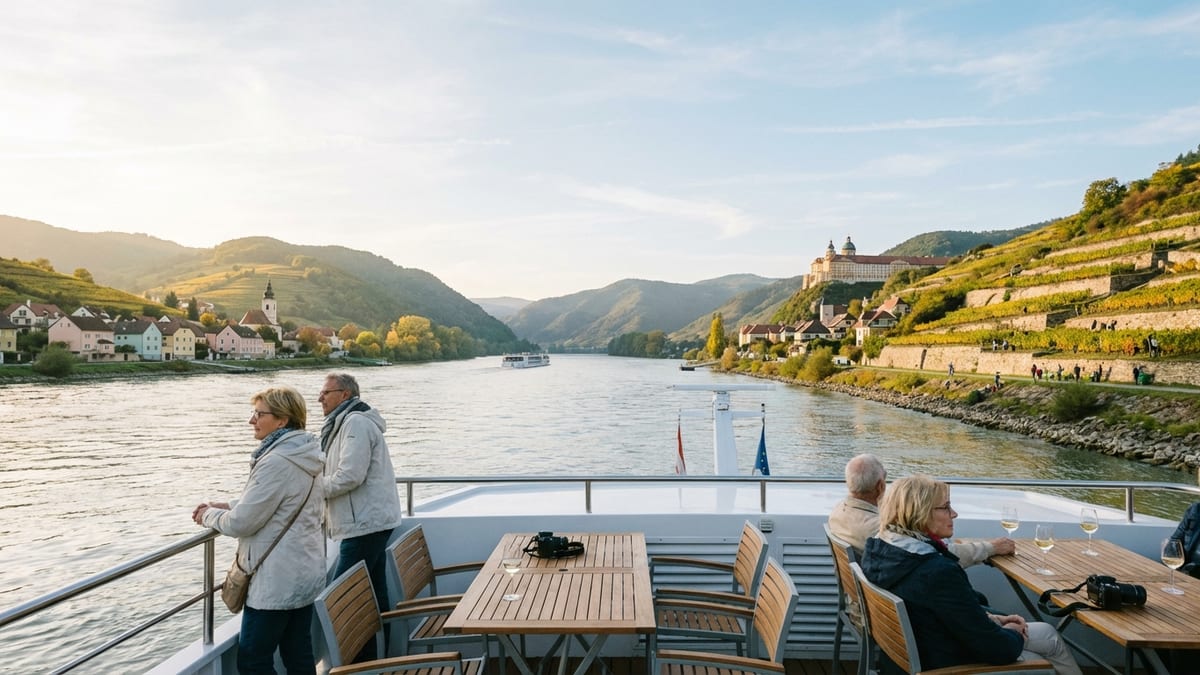
Fjord-Focused Voyages Showcase Northern Europe’s Dramatic Coasts
Norway’s fjords continue to anchor lists of the world’s most beautiful cruise routes, and recent itineraries for 2026 underline how operators are sharpening the focus on slow, scenic coastal travel. Brochures for the coming seasons highlight voyages that thread through narrow waterways such as Geirangerfjord, Sognefjord and Innvikfjorden, often combining them with calls at compact ports like Olden, Ålesund and Haugesund to give passengers views of steep cliffs, waterfalls and traditional villages from the water.
Travel industry guides for 2026 note that newer fjord sailings increasingly emphasize extended daylight and high-latitude scenery, with some routes pushing beyond the classic western fjords toward the North Cape and Lofoten Islands for more time inside the Arctic Circle. These itineraries typically balance long days of panoramic cruising with shore time in small towns known for wooden waterfronts, fishing heritage and access to hiking routes and lookouts above the fjords.
Northern Europe routes are also evolving to mix scenic segments with culturally significant cities in the region. Some summer sailings blend a week of Norwegian fjords with stops in British and Irish ports, or link fjord cruising to overnight calls in Baltic and North Sea capitals. This combination of slow coastal passages and historic city centers reflects an industry trend toward itineraries that deliver striking landscapes alongside architecture, museums and food scenes ashore.
Alaska Routes Add Glacier Viewing and National Park Access
Alaska remains another cornerstone of the world’s most celebrated cruise routes, with 2026 programs reinforcing the state’s reputation for close encounters with glaciers, mountains and wildlife. Planning materials from multiple lines showcase itineraries that route through the Inside Passage and offer scenic days in Glacier Bay National Park, College Fjord or Hubbard Glacier, highlighting long stretches where ships serve as moving viewing platforms for ice fronts, fjords and forested slopes.
Recent schedule information indicates that mainstream and smaller-ship operators alike are layering on more in-depth Alaska products that pair cruising with land extensions into national parks. Some brands are promoting combination packages that link a week at sea with rail or coach journeys to Denali and the Yukon, reflecting strong demand for itineraries that connect coastal glaciers and fjords with interior mountain and tundra landscapes in a single trip.
Ports such as Juneau, Ketchikan, Skagway and Icy Strait Point continue to feature prominently as gateways to local culture and nature. Shore programs marketed for the upcoming seasons emphasize Indigenous heritage, frontier-era history and outdoor experiences including hiking, kayaking and wildlife viewing. In parallel, Pacific Northwest homeports are reporting robust call volumes and the arrival of additional cruise lines, underscoring how scenic Alaska routes remain a central draw for both first-time and repeat cruisers.
Galápagos and Expedition Cruises Deepen Nature Immersion
Beyond the classic big-ship circuits, expedition cruises are gaining visibility as some of the most nature-intense routes available, with the Galápagos Islands standing out for 2026. Operators specializing in small-ship travel are publishing extended itineraries that span 10 to 16 days across the archipelago, often using vessels carrying a few dozen guests and staffed by naturalist guides. These voyages focus on daily landings, snorkeling sessions and Zodiac excursions to observe giant tortoises, marine iguanas, seabirds and sea lions in relatively undisturbed settings.
New and upgraded expedition ships entering the Galápagos market are designed to function as low-impact platforms, with features such as dedicated gear storage, briefing lounges and photography support. Publicly available information from cruise companies and conservation-focused organizations highlights how these itineraries are often paired with educational programs on biodiversity, climate and marine protection, positioning the cruises as both scenic journeys and immersive learning experiences.
The appeal of expedition-style cruising is also expanding in other remote regions. Recent corporate filings and brochures outline plans for more departures in Antarctica and other high-latitude environments through 2026, building on the same formula of small ships, extensive time off the vessel and close-range wildlife viewing. Together, these routes represent a growing segment of the cruise market that prioritizes ecological richness and scientific interpretation alongside striking seascapes and ice formations.
Mediterranean and Aegean Itineraries Blend Iconic Views and Heritage
In warmer waters, the eastern Mediterranean and Aegean continue to rank among the world’s most photogenic cruise regions, and scheduled sailings for 2026 show why. Recent travel features single out routes that weave between volcanic islands and whitewashed cliffside towns, particularly in the Greek Islands, where arrivals into natural amphitheaters such as Santorini’s caldera offer postcard-style approaches from the sea.
These itineraries typically string together compact ports known for layered history and distinctive architecture, from Cycladic villages to fortified medieval harbors. Shore programs focus on archaeological sites, local food and wine, and time in waterfront neighborhoods where traditional fishing boats share space with yachts and ferries. The visual contrast of bright stone buildings against deep-blue water, combined with relatively short distances between ports, keeps the seascape constantly shifting for passengers watching from open decks.
Broader Mediterranean programs are also emphasizing longer stays in headline cities and heritage hubs. Industry materials for upcoming seasons highlight itineraries with overnight calls in destinations such as Venice-region ports, Istanbul or other historic centers, giving passengers additional time for evening strolls, late dinners and cultural performances ashore. These extended visits support a growing focus on slower, more immersive exploration rather than rapid, one-day transits through marquee destinations.
Longer Port Stays and Hybrid Routes Redefine Scenic Cruising
A crosscutting trend visible in new-season brochures is the move toward itineraries that combine iconic scenery with deeper cultural access through longer port calls and hybrid land-sea journeys. Premium and upper-premium lines are marketing voyages that feature frequent overnight or late-night stays in key ports, allowing travelers to experience destinations beyond typical daytime sightseeing, whether that means after-dark cityscapes, local dining or special events.
In parallel, a number of North American river and coastal operators are promoting longer programs that knit together cruising with multi-day explorations on land, especially around national parks and protected areas. Announced itineraries in the Pacific Northwest and Alaska, for example, combine scenic sailing days with guided overland segments that link coastline, forest and mountain environments in a single ticketed journey.
Travel analysts note that these developments align with broader demand for experiential trips where the route itself is part of the attraction. The world’s most beautiful cruise itineraries, whether through Arctic fjords, tropical archipelagos or historic inland seas, are increasingly being curated not only around striking views from the ship but also around meaningful time on shore, creating layered journeys that connect nature, culture and marquee destinations for a growing global audience of cruisers.