


The Yucatán Peninsula is one of Mexico’s most varied regions, where Caribbean beaches sit within a few hours of ancient Mayan cities, pastel colonial plazas and wildlife-rich mangrove lagoons. Whether you are planning a quick resort escape or a road trip that links several states, the corridor between Cancún and Campeche offers enough variety for repeat visits. This guide walks through the key destinations most travelers consider first, with practical on-the-ground detail so you can choose the places that best match your time, budget and travel style.
Get the latest updates straight to your inbox!
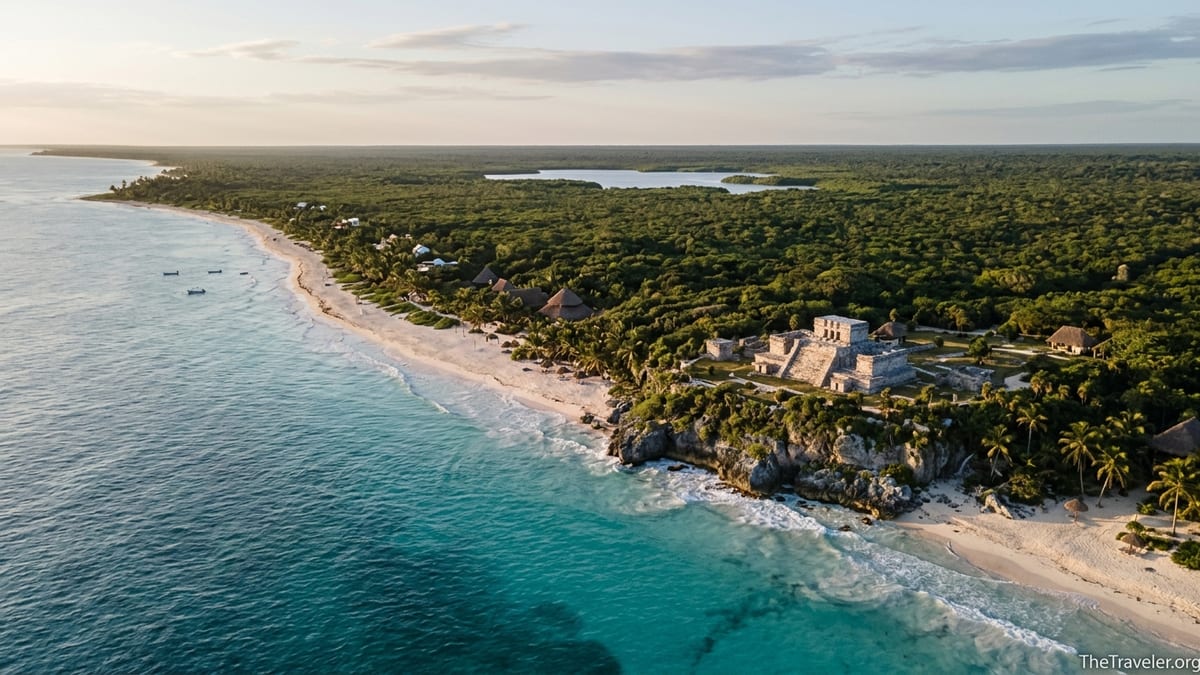
Cancún: Gateway to the Caribbean Coast
Cancún is the main air hub for the Yucatán Peninsula, with frequent nonstops from major U.S. cities and Europe and a modern airport around 25 minutes by road from the Hotel Zone. The Hotel Zone itself is a narrow, 14 mile long barrier island shaped roughly like the number seven, lined almost end to end with large beachfront resorts, shopping malls and clubs. Recent local guides describe a visible police and private security presence along this strip, which is where most first time visitors stay and where beaches are groomed daily, sun loungers line the sand and staff circulate with drinks.
Prices span from budget to luxury. Shared airport shuttles into the Hotel Zone typically cost in the range of 20 to 30 US dollars per person each way, while private transfers for a couple or family often start around 45 to 70 dollars depending on distance and vehicle class. Local buses that run up and down Boulevard Kukulcán cost the equivalent of about one US dollar per ride and are widely used by both workers and tourists moving between resorts, malls and nightlife areas such as the Punta Cancún club zone.
For many travelers, Cancún is less about authentic Mexican street life and more about easy beaches and day trips. Catamaran excursions to nearby Isla Mujeres, snorkeling tours on the Mesoamerican Reef and organized bus trips to Chichén Itzá or Tulum all depart from the Hotel Zone and nearby marinas. If you want a taste of local city life, downtown Cancún has markets, budget hotels and taquerías around areas like Mercado 28, and taxis or buses from the Hotel Zone get you there in 20 to 30 minutes.
Isla Mujeres: Easy Island Escape From the Hotel Zone
Isla Mujeres sits just off the coast from Cancún and is one of the simplest island additions to a Yucatán itinerary. Passenger ferries leave several times an hour from terminals in the Hotel Zone and from Puerto Juárez on the mainland, with crossing times of around 20 to 30 minutes. Tickets are usually priced in the ballpark of 20 to 30 US dollars round trip for adults, and you can buy on the day. On arrival, most visitors either walk or rent a golf cart near the pier to explore the island’s length.
The main draw is Playa Norte, a shallow, powdery white beach where loungers are rented by day and beach clubs serve seafood, cocktails and coconuts. Families appreciate that the water here is usually calm and waist deep for a long way out, while sunset watchers head to the same shore to see the sky turn pink behind bobbing sailboats. Simple guesthouses sit on side streets behind the beach, while a handful of midrange and boutique hotels offer sea views and small pools.
Day trippers often combine beach time with snorkeling at sites off the island or at the nearby underwater sculpture park. Tour vendors along the waterfront advertise half day trips that bundle snorkeling equipment, a simple lunch and drinks, often for 50 to 100 US dollars depending on the boat size and season. If you want to avoid the busiest hours, stay overnight and walk Playa Norte in the early morning before the first catamarans arrive from Cancún.
Playa del Carmen and the Riviera Maya Corridor
Playa del Carmen sits about an hour south of Cancún by highway, reachable by ADO intercity buses with assigned seats and air conditioning or by shared minivans known locally as colectivos. Bus tickets often cost in the range of 10 to 15 US dollars per person for the one way journey, while colectivos that you flag along the main highway are usually cheaper but more crowded and make multiple stops. Many travelers use Playa as a base for exploring the broader Riviera Maya region because of its central location and busy transport connections.
The town center is compact and walkable, built around Quinta Avenida, a pedestrian street lined with shops, bars, hostels and midrange hotels. Two blocks away, beaches run along most of the shoreline, with sections fronted by beach clubs that charge a day fee including loungers and minimum food and drink consumption. While sections of the Riviera Maya have periodic sargassum seaweed arrivals, local authorities and resorts in central Playa typically clear the most visited sections of beach in the morning, and boat operators will sometimes reposition to clearer water when possible.
From Playa del Carmen, ferries reach Cozumel island in around 45 minutes, cenotes such as Cenote Azul and Jardín del Eden sit less than 30 minutes away on the highway, and theme parks like Xcaret and Xel-Há run full and half day experiences that combine snorkeling, lazy rivers and cultural shows. Prices vary widely: a basic cenote visit with your own rental car might cost only the entrance fee of roughly 10 to 20 US dollars, while park day passes can rise above 100 dollars per adult in high season.
Tulum: Ruins by the Sea and a Sprawling Beach Scene
Tulum has grown from a backpacker stop into one of the most discussed beach towns on the coast, with two main zones. Tulum Pueblo, inland along the highway, has guesthouses, hostels, supermarkets and local restaurants at relatively modest prices. Tulum Beach, reached by a side road from town, is lined with higher end boutique hotels, beach clubs and restaurants where prices can match or exceed those in major U.S. cities, especially in peak months between December and March.
The Tulum archaeological site sits between town and the sea and is one of the most photographed ruin complexes in the country because of its direct clifftop view over turquoise water. Entrance fees are moderate, and travelers commonly report spending two to three hours walking the walled site, especially if they hire a local guide at the entrance for the equivalent of 25 to 40 US dollars per group. Arriving as gates open helps you avoid both heat and tour bus crowds arriving later in the morning from Cancún and Playa del Carmen.
Beyond the ruins, the broader Tulum area is full of cenotes such as Gran Cenote and Cenote Calavera, visited independently or on guided snorkeling or diving tours. Independent travelers often rent bicycles in town for around 10 to 15 US dollars per day to reach nearby cenotes or the beach road, although the distance, traffic and heat mean that many now prefer taxis or scooters. Nightlife on the beach road can be loud and late, with DJs and beach clubs drawing a younger crowd, while families often choose quieter hotels further south or in the town.
Valladolid and Chichén Itzá: Colonial Base in the Peninsula’s Interior
Valladolid is a small colonial city in the state of Yucatán, around two hours by road from Cancún or Mérida. It has become a popular base for visiting Chichén Itzá because the ruins are about 45 minutes away by car or bus, which allows visitors to arrive at opening time or stay for evening light shows without facing a long nighttime drive back to the coast. The town itself centers on a leafy main square bordered by pastel facades and the San Gervasio church, with affordable hotels and guesthouses within a few blocks.
Chichén Itzá is one of Mexico’s most famous and most visited archaeological sites, recognized internationally for the stepped pyramid of El Castillo and the large ball court. Daily visitor numbers are high year round, and travelers often organize their day around either arriving as the site opens or joining an afternoon tour that includes a cenote swim and late return to their base. Official guides offer their services at the entrance, and tour desks in Cancún, Playa del Carmen and Mérida advertise full day packages that bundle transport, entrance fees and simple buffet lunches.
Several cenotes sit close to Valladolid, including Cenote Zací in town and cenotes such as X’Kekén and Samulá on the edge of the city, where local operators charge entrance fees and optional life jacket rentals. Because these cenotes are on organized tour routes, independent travelers who want quieter conditions typically aim for early morning or later in the day after most day trip buses have passed through. Food wise, Valladolid is a good place to sample Yucatecan dishes such as lomitos de Valladolid and longaniza sausage at simple restaurants around the plaza.
Mérida and Uxmal: Culture, Cuisine and Classic Puuc Architecture
Mérida, the capital of Yucatán state, is one of the region’s largest cities and an increasingly popular base for travelers who prefer a city break to a beach resort. The historic center is filled with colonial era mansions, plazas lined with trees and museums housed in former palaces along Paseo de Montejo. Many visitors plan their trip to coincide with regular free cultural events such as Sunday street closures around the main square for family cycling and food stalls, or evening performances of traditional Yucatecan music and dance organized by the city.
The hotel scene in Mérida ranges from simple guesthouses in restored townhouses to higher end boutique hotels with courtyards and plunge pools. Air connections link Mérida to Mexico City and several U.S. cities, and modern highways connect it to Valladolid, Campeche and coastal areas. Food is a highlight. Restaurants and casual eateries serve local dishes like cochinita pibil, a slow cooked pork marinated in citrus and spices, panuchos topped with turkey or pork, and sopa de lima. Prices are generally lower than along the Riviera Maya, and many travelers comment that Mérida feels both livable and affordable compared with the resort towns.
About an hour and a half south of Mérida by road lies Uxmal, one of the most important Puuc style Mayan cities. The site is less crowded than Chichén Itzá and is known for its Pyramid of the Magician and the long Governor’s Palace, both covered in intricate stone mosaics. Organized tours from Mérida include round trip transport and a few hours at the site, often combined with nearby ruins such as Kabah or with a visit to a chocolate museum. Independent visitors can also reach Uxmal using rental cars or regional buses that stop near the entrance.
Bacalar and Holbox: Slower Alternatives to Big Beach Resorts
In the far south of Quintana Roo, Bacalar sits on the shore of the Lagoon of Seven Colors, a long, shallow freshwater body famous for its shifting blue and turquoise tones. Recent travel features describe tourism here as centered on small scale hotels and guesthouses spread along the lagoon’s edge, many with their own wooden docks and over water hammocks or swings. Instead of surf beaches, visitors spend time kayaking, paddleboarding or taking small boat tours to spots like Canal de los Piratas and cenotes that connect to the lagoon.
Accommodation options in Bacalar range from simple hostels in the town center, where dorm beds might start around 15 to 25 US dollars per night, to boutique lagoonfront hotels charging several hundred dollars per room in high season. Because the area is growing in popularity, it is wise to book ahead for winter and spring weekends. Boat tours on the lagoon are widely available from small operators at the main docks or through hotels and typically cost from roughly 25 to 50 US dollars per person depending on group size, duration and whether drinks are included.
Isla Holbox, off the peninsula’s northern coast, offers a different kind of low rise beach escape. Reached by ferry from the small mainland town of Chiquilá, Holbox has no private car traffic, and visitors walk, cycle or use golf cart taxis to move along the sandy streets. Current island guides describe the crossing as taking around 20 to 30 minutes on passenger ferries, with secure parking lots in Chiquilá charging approximately 150 Mexican pesos per day for vehicles left on the mainland. The island’s main village hugs the coast, and many hotels are within walking distance of the pier.
Holbox is known for shallow, warm water and long sandbars that stretch out from shore at low tide. In season, operators run boat trips to look for whale sharks in offshore waters, as well as bird watching excursions to nearby islands that shelter flamingos and other species. Beachfront restaurants specialize in seafood such as ceviche and grilled fish, and the overall feel is more laid back than in Tulum or Cancún, although in recent years the town center has become busier during holidays and long weekends.
Campeche and Río Lagartos: Fortified Walls and Flamingo Mangroves
On the peninsula’s western side, the city of Campeche sits on the Gulf of Mexico and presents a very different atmosphere from the Caribbean coast. The walled historic center, recognized for its fortifications and restored pastel buildings, feels quieter and more residential than the Riviera Maya towns. Visitors stroll the seafront malecón at sunset, explore bastions converted into small museums and eat seafood dishes like pan de cazón in restaurants on the main square. Many travelers combine Campeche with a loop that also includes Mérida and Uxmal, using rental cars or intercity buses to move between cities in two to three hours.
Hotel prices in Campeche are often lower than in Quintana Roo’s resort areas, and availability tends to remain good outside of national holiday periods. This makes it a good option for travelers who want to stretch their budget, especially for longer trips. The heat can be intense in the middle of the day, so sightseeing is often best in the early morning and late afternoon, with a rest indoors during peak sun.
On the northern coast of Yucatán state, Río Lagartos is a small fishing town that acts as the informal gateway to a biosphere reserve of mangroves, salt pans and lagoons. Boat tours from the town’s waterfront take visitors into the protected area to look for flamingos, crocodiles and other birdlife, typically lasting two to three hours. Prices are usually quoted per boat rather than per person, so couples and small groups often share to control costs. Local tour operators cluster along the main waterfront street, and many small guesthouses can arrange early morning departures to coincide with cooler temperatures and more active wildlife.
Nearby, the bright salt ponds sometimes called Las Coloradas have become popular on social media for their vivid pink hues. Access rules can change and some areas are restricted due to industrial operations, so visitors commonly hire local guides who know which viewpoints are currently allowed. Even without the famous pink water shots, the mangrove channels and wide skies around Río Lagartos make the area feel very different from the dense resort development on the Caribbean coast.
The Takeaway
The Yucatán Peninsula is compact enough that you can combine multiple environments in a single trip, yet diverse enough that each stop feels distinct. Cancún and Playa del Carmen are practical entry points with extensive infrastructure, while Isla Mujeres, Holbox and Bacalar cater to travelers who want slower, smaller scale stays closer to nature. Inland, Valladolid and Mérida anchor visits to world class archaeological sites like Chichén Itzá and Uxmal and introduce visitors to Yucatecan food and city life. On the Gulf side, Campeche and the wetlands around Río Lagartos add fortified walls, flamingos and wide horizons to the mix.
When planning, think in terms of travel days and travel styles rather than trying to check off every location in a single week. A shorter break might pair Cancún with a night on Isla Mujeres or a quick detour to Valladolid and Chichén Itzá, while a longer itinerary could link Mérida, Uxmal, Bacalar and Holbox into a loop by rental car or bus. Booking accommodations with free cancellation, allowing buffer time for long bus rides and being flexible with beach plans in case of seaweed or weather shifts will help you adapt on the ground. With reasonable planning, the Yucatán offers an unusually rich combination of beaches, ruins and colonial cities within a relatively small radius.
FAQ
Q1. How many days do I need to see the main highlights of the Yucatán Peninsula?
Most travelers feel that 10 to 14 days allows a comfortable loop including one or two beach areas, an inland colonial city like Mérida or Valladolid and at least one major ruin such as Chichén Itzá or Uxmal. With only a week, many people focus on a single coastal base with one or two overnight side trips.
Q2. Is it safe to travel around the Yucatán Peninsula in 2026?
Tourist zones such as the Cancún Hotel Zone, Playa del Carmen, Tulum’s main areas, Mérida, Valladolid and major archaeological sites are heavily visited and have a notable security presence. As in any destination, staying aware of belongings, using registered taxis or reputable transfers and avoiding isolated areas late at night improves your risk profile.
Q3. Do I need a rental car, or can I rely on buses and tours?
You can visit the main cities and ruins entirely with ADO intercity buses, colectivos and organized tours, especially along the Cancún to Tulum corridor and between Mérida, Valladolid and Chichén Itzá. A rental car adds flexibility for places like Bacalar, Holbox’s ferry port at Chiquilá and Río Lagartos, but comes with extra costs for insurance, parking and fuel.
Q4. When is the best time of year to visit the Yucatán Peninsula?
Many travelers aim for the dry season from roughly late November through March, when humidity is lower and rain is less frequent, especially for beach stays. Shoulder months like April, early May and late October can be more affordable while still offering good conditions, though heat and occasional storms are more likely.
Q5. How expensive is the Yucatán compared with other Mexican regions?
Prices in resort areas like Cancún, the Riviera Maya and Tulum Beach can rival major U.S. and European destinations, especially for beachfront hotels and upscale dining. Inland cities such as Mérida, Valladolid and Campeche, along with smaller towns like Bacalar and Río Lagartos, tend to offer better value for accommodations and everyday meals.
Q6. Can I swim at the beaches year round?
Sea temperatures are usually warm enough for swimming throughout the year on both the Caribbean and Gulf coasts. Conditions such as strong currents, waves or seasonal seaweed can affect specific beaches on certain days, so it is wise to follow local flag systems and ask hotel staff or lifeguards about the safest spots.
Q7. Are cenotes suitable for children and less confident swimmers?
Many popular cenotes near Valladolid, Tulum and Playa del Carmen provide life jacket rentals and have shallow entry points or platforms. However, some cenotes are deep sinkholes with vertical walls and no shallow shelf, so families should choose locations carefully, supervise children closely and consider guided visits.
Q8. Do I need to book tours to Chichén Itzá and Uxmal in advance?
During peak travel periods such as Christmas, New Year and Easter, organized tours from Cancún, Playa del Carmen and Mérida can sell out, so advance booking is helpful. Independent travelers who plan to arrive by rental car or public bus can usually buy entrance tickets on arrival but may still benefit from reserving an official guide at popular times of day.
Q9. Is it realistic to visit Holbox or Bacalar on a day trip from Cancún?
Both destinations are technically reachable in a long day, but travel times of several hours each way by road and ferry mean that most of your day would be spent in transit. For a more relaxed experience that includes time on the beach or lagoon and a sunset or sunrise, an overnight stay of at least one or two nights is strongly recommended.
Q10. What should I budget per day for food and activities?
Budgets vary widely, but many midrange travelers report daily spending in the range of 50 to 150 US dollars per person excluding accommodations, depending on how many paid activities they include. Eating most meals at local restaurants, mixing free beach time with a few paid tours and using public transport keeps costs at the lower end, while frequent beach clubs, guided excursions and upscale dining push costs higher.