


More news on this day
Tanzania’s rapid aviation upgrade in Zanzibar is reshaping Africa’s tourism and trade map, drawing a surge of global airlines and placing the archipelago alongside Kenya, South Africa, Angola, Botswana, Namibia, Malawi and other emerging aviation hubs.
Get the latest news straight to your inbox!
Zanzibar’s New Gateway Propels Record Tourism Growth
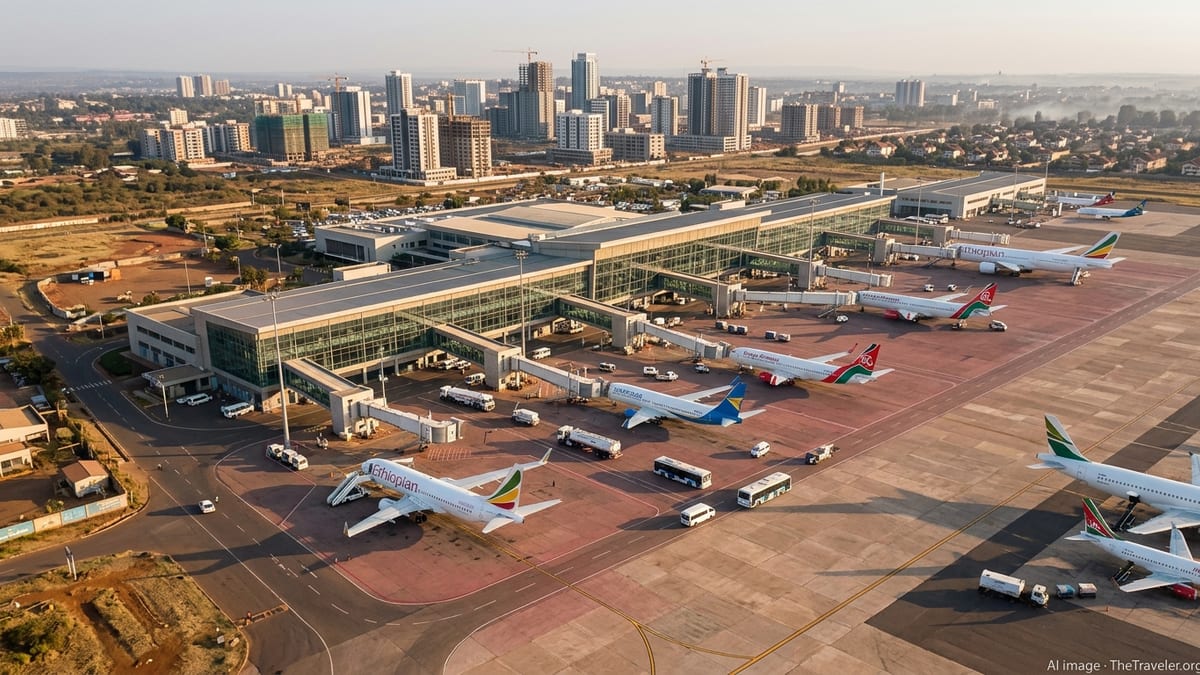
The expanded Abeid Amani Karume International Airport in Zanzibar has become a focal point of Tanzania’s tourism strategy, acting as a high-capacity international gateway for the archipelago and the wider mainland. A modern Terminal 3 now handles the bulk of international traffic, with multiple contact stands, upgraded security, and expanded passenger-processing areas designed to cut congestion and improve turnaround times.
Publicly available government and industry data show that Tanzania has moved from pandemic-era lows to historic highs in just a few years, with international arrivals more than tripling from 2020 levels. Tourism bodies report that the country welcomed well over two million visitors in 2024, and early 2025 figures indicate further gains as Zanzibar’s air connectivity strengthens and new long-haul markets come onstream.
Sector analyses from organisations such as the World Travel & Tourism Council indicate that travel and tourism now contribute a double-digit share of Tanzania’s gross domestic product, supporting well over a million jobs. Zanzibar’s enhanced airport capacity, combined with its growing stock of four and five-star hotels, is cited in these assessments as one of the key enablers of sustained growth.
Local statistical releases from Zanzibar highlight an increasing share of visitors arriving directly by air rather than via mainland hubs. Market reports on the island’s hotel sector describe lengthening average stays and rising occupancy, trends that analysts link directly to improved air access and more frequent services from European, Middle Eastern and regional African airlines.
Airlines Race to Add Zanzibar and East African Routes
Airlines from the Gulf, Europe and within Africa have steadily expanded their presence in Zanzibar, turning the island into one of the Indian Ocean’s fastest-growing leisure gateways. Flight schedules published by carriers and airport operators show a marked increase in frequencies from major hubs such as Doha, Dubai and Istanbul, aligning Zanzibar with long-haul networks that reach North America, Europe and Asia.
European leisure and charter operators have also deepened their seasonal programmes to Zanzibar, responding to strong demand for beach and safari combinations that pair the island with mainland parks such as Serengeti and Nyerere. Aviation market briefings describe rising load factors in peak months and note that widebody equipment is increasingly deployed on key routes, signalling confidence in long-term demand.
Regionally, East African carriers are adding capacity into both Zanzibar and mainland destinations such as Dar es Salaam, Kilimanjaro and Mwanza. Kenya’s main airport in Nairobi continues to act as a powerful connecting hub for Tanzania-bound traffic, while new point-to-point links within the East African Community are gradually reducing the need for backtracking via Europe or the Gulf.
Industry observers argue that this acceleration in route development is part of a broader African trend, as governments and private operators invest in airport infrastructure to capture a larger share of global travel flows. Zanzibar’s example, they say, illustrates how targeted upgrades can quickly move a secondary airport into the mainstream of international tourism networks.
Southern Africa’s Visa and Aviation Reforms Multiply Connectivity
Parallel reforms in Southern Africa are reinforcing Zanzibar’s rise by making it easier for travellers to combine East and Southern African destinations in a single trip. A new “Schengen-style” visa arrangement for several Southern African states, including Angola, Botswana and Namibia, is designed to simplify cross-border movement for tourists and business visitors, encouraging multi-country itineraries that link Indian Ocean beaches with desert, delta and wildlife experiences further south.
Airlines in the region are adjusting accordingly. Public announcements from carriers such as Air Botswana outline new services into Namibian and South African cities, contributing to a growing mesh of intra-African routes that reduce travel times and costs. At the same time, South Africa’s major airports maintain their role as long-haul gateways, with Johannesburg and Cape Town feeding traffic onwards into neighbouring states.
Analysts note that these developments are taking place against the backdrop of the Single African Air Transport Market, a continental initiative aimed at liberalising skies across participating countries. Kenya, South Africa, Angola, Botswana and Namibia are among the states associated with this framework, and aviation commentators suggest that gradual implementation is already nudging airlines to open new routes and deepen cooperation.
For Tanzania and Zanzibar, this more integrated aviation landscape means that potential visitors can increasingly reach the archipelago via multiple entry points, combining safaris, beach stays and urban experiences across a wide geographic area without complex visa processes or circuitous flight paths.
Trade and Investment Opportunities Expand Around New Hubs
The wave of aviation growth centred on Zanzibar and mirrored in hubs across Kenya, South Africa, Angola, Botswana, Namibia and Malawi is creating opportunities that reach far beyond leisure travel. Freight operators and logistics firms are capitalising on improved airport infrastructure to move high-value, time-sensitive goods, including horticultural exports, seafood, pharmaceuticals and technology components.
Airport concession agreements in Zanzibar illustrate this shift, with international commercial operators taking long-term leases to develop duty free, food and beverage and retail offerings in the new terminal. Industry coverage of these deals highlights expectations of rising per-passenger spend and the potential for the airport to serve as a showcase for Tanzanian and regional brands targeting an increasingly global audience.
Investment promotion agencies in Tanzania and neighbouring countries are also positioning upgraded airports as anchors for broader economic zones. Public documentation points to plans for surrounding logistics parks, hospitality complexes and conference facilities designed to capture business tourism and trade fairs, particularly in sectors such as renewable energy, agribusiness and mining supply chains.
Financial analysts tracking African tourism and infrastructure note that international hotel groups, private equity investors and development finance institutions are increasingly active in airport-linked projects. Zanzibar’s strong arrival numbers and improving airlift are frequently cited as evidence that well-executed aviation investments can unlock bankable pipelines in accommodation, transportation, real estate and supporting services.
Africa Positions Itself in the Global Tourism Recovery
The developments in Zanzibar and across East and Southern Africa are unfolding as global tourism returns to, and in some regions surpasses, pre-pandemic levels. Recent barometers from UN Tourism indicate that Africa has been among the fastest-recovering regions, with international arrivals climbing steadily through 2023 and 2024 as borders reopened and airlines reinstated capacity.
Within this context, Tanzania’s performance stands out. National statistics and international research show the country moving into the upper tier of African destinations by visitor numbers, helped by its combination of wildlife, culture and coastline and by its strengthening aviation ecosystem centred on Zanzibar and key mainland airports.
Kenya, South Africa, Angola, Botswana, Namibia and Malawi are following similar paths, each upgrading airports, adjusting visa regimes or incentivising new routes to capture a greater share of global travel. Collectively, these initiatives are reshaping Africa’s connectivity map, creating multidirectional flows of tourists and traders that bypass traditional north-south chokepoints.
For airlines, investors and travellers, the message is increasingly clear: infrastructure and policy reforms in African aviation are no longer isolated experiments but part of a continent-wide reconfiguration. Zanzibar’s upgraded airport, and Tanzania’s surging tourism numbers, have become emblematic of how targeted aviation investment can generate outsized benefits in tourism, trade and long-term economic development.